

 Óleo sobre telaArte de ParedeBaroque
 1606Renascimento
 128.0 x 103.0 cm
 Palazzo Rosso
Adquira uma imagem digital de alta resolução e aprimorada, muito superior à prévia online.
Cada arquivo é meticulosamente preparado por nossos especialistas internos, utilizando ferramentas avançadas e retoques manuais de alta precisão. Garantimos que cada imagem apresente clareza excepcional, fidelidade de cores e detalhes minuciosos.
O arquivo final é entregue por e-mail em até 72 horas, otimizado para uso imediato em ambientes profissionais, editoriais e de impressão. Esta é a mesma qualidade utilizada por estúdios de design de alto nível, editoras e galerias.
Baixe um arquivo de alta resolução para exibição pessoal, impressão e projetos criativos. ( Encomendar impressão Encomendar reprodução pintada à mão)
Ao escolher o BuyPopArt.com, você não está apenas adquirindo uma imagem — você está recebendo uma obra de arte digital profissionalmente aprimorada, elaborada com precisão e com garantia de satisfação. Aqui está tudo o que acompanha seu pedido, automaticamente:

O seu arquivo de imagem digital em alta resolução será enviado por e-mail em até 72 horas após o pedido — pronto para uso imediato.

Sua obra de arte é otimizada profissionalmente por meio de ferramentas avançadas de IA e edição manual, garantindo o máximo de detalhes, clareza e precisão de cores.

Apagou ou perdeu o seu ficheiro acidentalmente? Não se preocupe – nós reenviamos para si a qualquer momento, gratuitamente.

Desfrute da sua obra de arte instantaneamente, sem taxas alfandegárias, impostos ou custos de entrega — downloads digitais são sempre isentos de taxas.

Garantimos que sua imagem digital reflita as cores originais com a maior fidelidade possível, utilizando ferramentas profissionais e gerenciamento de cores.

Se você não estiver satisfeito com sua imagem digital, nós a revisaremos ou reembolsaremos 100% dentro de 60 dias — sem perguntas.

Não está satisfeito? Receba o reembolso total em até 60 dias após o recebimento do seu arquivo digital — sem perguntas.

Compre 3 imagens, economize 10% - Compre 5, economize 15% - Compre 10+, economize 20%. Ideal para projetos criativos, galerias e agências.
Michelangelo Merisi da Caravaggio (1571–1610), universally known as Caravaggio, stands alone amongst his contemporaries as a painter who irrevocably transformed the artistic landscape of Europe. His revolutionary approach to chiaroscuro—the dramatic interplay of light and shadow—established a new standard for Baroque painting and continues to inspire artists today. Born in Milan amidst profound familial loss, Caravaggio’s formative years instilled within him an unwavering empathy for human suffering, a sensitivity that would permeate his oeuvre and solidify his reputation as one of the most emotionally resonant figures in art history.
His early artistic training under Simone Peterzano—a former pupil of Titian—provided him with foundational skills but simultaneously nurtured a rebellious spirit. Moving to Rome around 1592, Caravaggio swiftly ascended to prominence, attracting commissions from wealthy patrons and establishing himself as a charismatic presence within the vibrant Roman art scene. Despite facing considerable hardship during his lifetime—including legal troubles stemming from an impulsive act of violence—Caravaggio’s artistic genius shone through, producing masterpieces that captured the essence of human experience with unparalleled immediacy.
The *Ecce Homo*, painted circa 1605/06 or 1609 and currently residing in the Palazzo Bianco of Genoa, exemplifies Caravaggio’s artistic vision at its zenith. This arresting image transcends mere depiction; it's a profound meditation on human emotion, faith, and the unsettling nature of power. The painting’s impact reverberates across centuries, prompting viewers to confront uncomfortable truths about themselves and the world around them.
Caravaggio’s genius lies not just in his subject matter but in his revolutionary technique. He doesn't simply paint light; he sculpts it, utilizing intense beams to illuminate faces and bodies while plunging the background into deep shadow. This creates an almost theatrical atmosphere, amplifying the drama and emotional intensity of the scene. Notice how the light seems to emanate from a single source—a deliberate choice designed to draw the viewer’s eye directly to Jesus himself, forcing us to confront his suffering and Pilate’s complicity.
Furthermore, Caravaggio’s use of *tenebrism* intensifies this effect. The figures are almost violently illuminated against the dark backdrop, generating a sense of claustrophobia and underscoring their vulnerability. This stark contrast isn't merely decorative; it’s deeply symbolic, representing the conflict between divine grace and human sin, between hope and despair.
Beyond its immediate visual impact, *Ecce Homo* is rich in symbolism. The crown of thorns—a poignant reminder of Christ’s crucifixion—immediately evokes the suffering associated with his sacrifice. The man holding him down embodies the crowd’s demand for Pilate to execute Jesus, while the observer symbolizes the indifference or complicity of those who witness injustice. Caravaggio's masterful portrayal captures the psychological complexity of these figures, conveying their inner struggles and moral dilemmas with breathtaking precision.
Painted during a period of fervent religious fervor and political upheaval in Italy—a time marked by papal ambition and anxieties surrounding dynastic succession—*Ecce Homo* reflects the prevailing intellectual currents of its era. Caravaggio’s work was deeply rooted in the Counter-Reformation, serving as a powerful tool for conveying moral instruction and inspiring piety among his audience. The painting's placement within the Palazzo Bianco—a historic building commissioned by the Brignole-Sale family—suggests a deliberate intention to connect with themes of suffering and redemption.
Caravaggio’s legacy extends far beyond the confines of art history, influencing subsequent generations of painters and shaping our understanding of Baroque aesthetics. His unwavering commitment to realism combined with his masterful manipulation of light continues to captivate audiences worldwide, ensuring that *Ecce Homo*—and Caravaggio himself—remain eternally enshrined as icons of artistic brilliance.
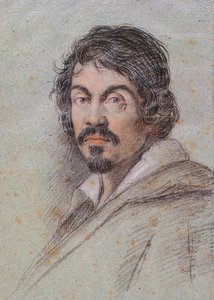
1571 - 1610 , Itália


Fique por dentro das últimas notícias de arte, ofertas exclusivas e ideias de decoração.
Conte-nos sobre o seu projeto e os nossos especialistas em arte fornecerão 3 sugestões de arte personalizadas.
Deixe que selecionamos 3 opções especialmente para você – Grátis!


 Visualizar em escala
 Enviar
 Compartilhar
 Ver detalhes

 Baixar
 Semelhantes
 Raio X
 Apresentação de slides
 Ver mais