x

 Comprar impressão Comprar imagem em alta resolução
 Enviar
 Detalhes da obra
 Adicionar aos favoritos
 Baixar
 Semelhantes
 Raio X
 Slideshow
 Acrylic On PaperOtherPop Art
 1973Contemporary
 21.0 x 81.0 cm
 Museu de Young
Óleo sobre tela pintado à mão no seu tamanho e moldura, feito sob encomenda pelos nossos artistas.
Escolha entre os nossos tamanhos pré-definidos que respeitam as proporções originais da obra de arte.

Pode inserir as suas próprias dimensões para se adequar a uma moldura ou espaço específico. Se o tamanho selecionado não corresponder às proporções da imagem original, iremos cortar a obra de arte ou estender a pintura com elementos adicionais pintados à mão. Um esboço digital será enviado para sua aprovação antes do início da produção.
Tenha em atenção que a pré-visualização no ecrã não reflete o corte ou extensão real. Apenas o esboço mostrará com precisão a composição final.
Embora tamanhos personalizados estejam disponíveis, recomendamos selecionar uma dimensão da lista predefinida para preservar as proporções originais.
Entrega Mundial () em 3 a 4 semanas, em vez das 5 semanas padrão. (16 Julho). Sem comprometer a qualidade.


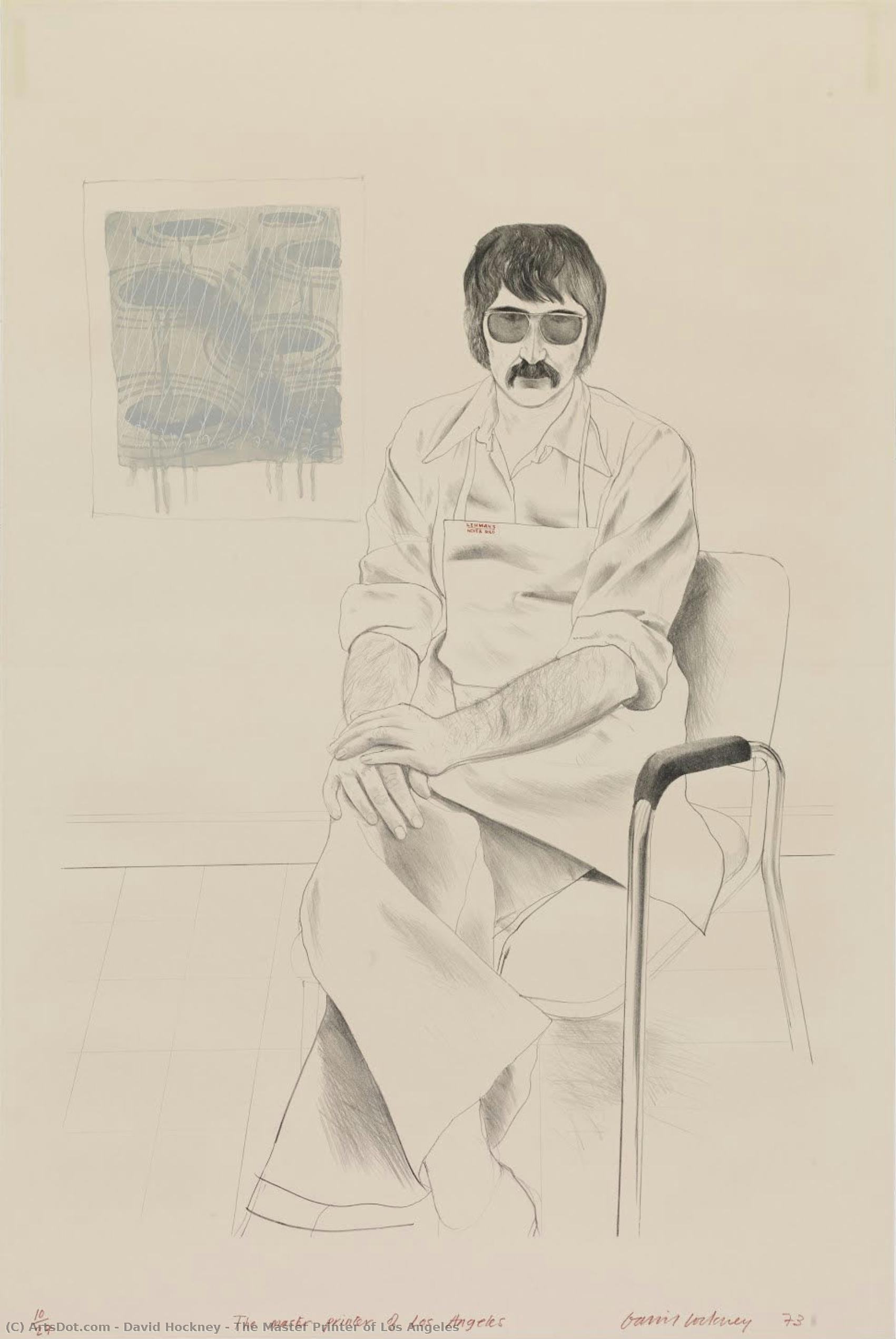
The Master Printer of Los Angeles
Dimensões da Reprodução
David Hockney’s “The Master Printer of Los Angeles,” created in 1973, isn't merely a depiction of a man seated in contemplation; it’s a carefully constructed tableau brimming with symbolic weight and reflecting the burgeoning art scene of Southern California. The image, rendered in stark black and white lithograph and screenprint on Arches Cover mould-made paper, immediately draws the eye to Hockney’s central figure – a man radiating an almost unnerving stillness, shielded by the broad brim of his sunglasses. This isn't a portrait of celebrity or power; rather, it feels like a study in solitude, a quiet observation of a pivotal moment in artistic history.
The setting itself is crucial to understanding the work’s resonance. The man sits within a modestly furnished room – a chair, a clock, and a subtle suggestion of a wall – creating an intimate space that feels both familiar and slightly unsettling. The inclusion of the clock, with its hands frozen at a specific time, hints at a captured moment, a pause in the relentless flow of time itself. The muted palette, dominated by grays and blacks, amplifies this sense of stillness, evoking the quality of light found in the desert landscape – a characteristic that would become increasingly important to Hockney’s later work.
The central figure is undeniably enigmatic. His posture, his gaze directed slightly off-camera, and the cigarette held casually in his hand immediately invite interpretation. He embodies the archetype of the solitary artist – a figure wrestling with ideas, confronting challenges, and ultimately shaping beauty from raw materials. Some art historians suggest he represents Clyde Browne, a master printer who worked in Los Angeles during the Arroyo culture movement of the early 20th century, a period marked by experimental printmaking techniques and a vibrant artistic community. Hockney’s deliberate choice to portray Browne – a skilled craftsman operating largely outside the mainstream – speaks volumes about his admiration for this often-overlooked figure.
The cigarette itself is a potent symbol. It represents not just habit, but also the creative process—the burning away of the unnecessary, the distillation of ideas into something tangible and new. It’s a visual metaphor for the artist's struggle to find clarity amidst complexity, a common experience for any creator.
“The Master Printer of Los Angeles” is a testament to Hockney’s mastery of lithography and screenprinting. The stark contrasts between light and shadow are achieved through careful layering and manipulation of ink, creating a remarkable sense of depth and texture. The use of Arches Cover paper – renowned for its archival quality and subtle sheen – further enhances the work's visual impact. This particular print was created as part of a series exploring the role of master printers in the art world, commissioned by Walker Art Center.
Created during a period of significant artistic experimentation in Los Angeles, this piece reflects the city’s burgeoning reputation as a hub for avant-garde art and design. Hockney's work aligns with the broader trends of Pop Art and Minimalism, while simultaneously retaining a distinctly personal and introspective quality. The print’s stark aesthetic and focus on simple forms anticipate many of the themes that would dominate his later career.
Beyond its technical brilliance, “The Master Printer of Los Angeles” resonates with profound emotional depth. It captures a moment of quiet contemplation—a pause in the relentless pursuit of artistic expression. The man’s gaze, directed just beyond the viewer's perspective, suggests a sense of detachment and introspection, inviting us to consider our own relationship to art and creativity. The image evokes feelings of solitude, reflection, and perhaps even a touch of melancholy – a poignant reminder of the sacrifices and challenges inherent in the artist’s life.
Reproductions of this iconic work offer a captivating glimpse into Hockney's artistic vision and the vibrant cultural landscape of 1970s Los Angeles. It remains a powerful testament to the enduring legacy of master printers and their crucial role in shaping the world of art.
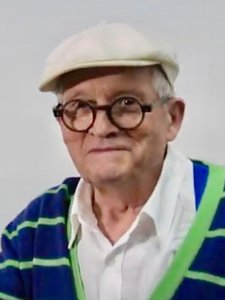
1937 - , Reino Unido
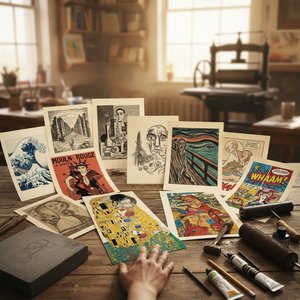
Descubra 10 obras-primas da litografia que revolucionaram a arte! Explore a história de Toulouse-Lautrec, Munch e Picasso. Encontre reproduções de alta qualidade para decorar sua casa com estilo em BuyPopArt.com.

Explore the captivating history of angels in art! Discover symbolism, iconic Renaissance masterpieces & renowned artists. Expert insights for art lovers & collectors at BuyPopArt.
Explore the captivating world of Paul Klee! Discover his innovative art, Bauhaus influence, & unique symbolic language. Expert analysis & high-quality reproductions at BuyPopArt.
Descubra as 10 obras-primas em acrílico que revolucionaram a arte! Explore a história de Helen Frankenthaler, Rothko e Warhol. Encontre reproduções de alta qualidade para decorar sua casa com estilo. BuyPopArt: Arte atemporal ao seu alcance.
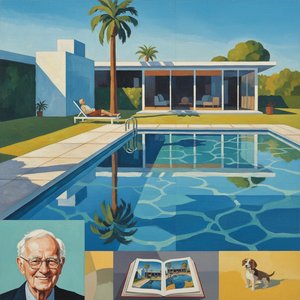
Explore the life & work of David Hockney, Pop Art's master chronicler. Discover his iconic paintings, Californian landscapes, and lasting influence on modern art. Expert analysis for collectors.


Fique por dentro das últimas notícias de arte, ofertas exclusivas e ideias de decoração.
Conte-nos sobre o seu projeto e os nossos especialistas em arte fornecerão 3 sugestões de arte personalizadas.
Deixe-nos selecionar 3 opções especialmente para você – Grátis!


 Compartilhar

 Ver mais




































 A opção de vidro está disponível apenas para tamanhos inferiores a 110 cm