


Impressão giclée ou em tela de qualidade de museu, com produção rápida e opções flexíveis de acabamento. ( Encomendar reprodução pintada à mão Alternar para Imagem)
Escolha entre os nossos tamanhos pré-definidos que respeitam as proporções originais da obra de arte.

Você pode inserir suas próprias dimensões para se ajustar a uma moldura ou espaço específico. Se o tamanho selecionado não corresponder às proporções da imagem original, iremos recortar a obra de arte ou estender a imagem com uma borda espelhada ou preenchimento sólido. Um mockup digital será enviado para sua aprovação antes do início da produção.
Por favor, observe que a visualização na tela não reflete o recorte ou a extensão real. Apenas o mockup mostrará com precisão a composição final.
Embora tamanhos personalizados estejam disponíveis, recomendamos selecionar uma dimensão da lista predefinida para preservar as proporções originais.
Entrega mundial () em 2 semanas, em vez das 4/5 semanas padrão. (1 Agosto)


Pere Ubu
Tamanho da Reprodução
Dora Maar’s “Pere Ubu,” painted in 1936, isn't merely a portrait; it’s an unsettling plunge into the subconscious, a meticulously crafted tableau of primal fear and distorted humanity. This arresting image, rendered in stark monochrome with a dramatic interplay of light and shadow, captures the essence of Surrealism at its most potent – a deliberate disruption of reality designed to evoke profound emotional responses. The painting immediately confronts the viewer with a hybrid creature, a grotesque amalgamation of human and animal features, embodying the spirit of Alfred Jarry’s chaotic and darkly humorous play, “Ubu Roi.” Maar masterfully translates this theatrical absurdity into a tangible visual experience, forcing us to confront uncomfortable questions about identity, power, and the darker aspects of our own nature.
The composition itself is deliberately jarring. The subject, positioned slightly off-center within a tightly cropped frame, dominates the space, creating an immediate sense of intimacy and unease. Maar’s use of texture is particularly striking; the skin appears rough and uneven, almost scabrous in places, while patches of fur or hair add to the creature's unsettling physicality. This tactile quality invites close inspection, drawing the viewer into a world where the boundaries between human and animal blur, and where the familiar becomes disturbingly alien. The sharp angles of the teeth, prominently displayed, contribute significantly to the painting’s menacing aura – a silent threat lurking beneath the surface.
Maar's technical skill is evident in her masterful manipulation of light and shadow. A single, powerful light source, positioned seemingly above and slightly to the left, casts deep shadows across the creature’s face, emphasizing its contours and creating a sense of dramatic depth. This strategic use of chiaroscuro not only highlights key features but also contributes significantly to the painting's overall mood – a blend of mystery, menace, and psychological intensity. The flattened perspective, characteristic of Surrealist art, further intensifies this effect, drawing the viewer’s attention directly to the subject’s face and its unsettling expression.
The creature’s form itself is a carefully constructed distortion of reality. Maar employs angular lines to define the features – the sharp cheekbones, the elongated limbs, the gaping mouth filled with menacing teeth – creating an image that feels both vaguely familiar and profoundly disturbing. The overall effect is one of fragmentation and instability, mirroring the chaotic themes explored in Jarry’s play. It's a deliberate rejection of traditional portraiture, prioritizing emotional impact over realistic representation.
“Pere Ubu” resonates deeply within the context of its time – the turbulent years leading up to World War II. Surrealism emerged as a direct response to the horrors of the First World War and the growing anxieties surrounding fascism and political instability. Maar’s work, like that of many other artists of her generation, reflects this atmosphere of uncertainty and disillusionment. The creature in “Pere Ubu” can be interpreted as a symbol of societal decay, representing the breakdown of traditional values and the rise of irrationality and violence.
Furthermore, the painting’s connection to Jarry's play is crucial to understanding its symbolic weight. "Ubu Roi" satirizes power, greed, and ignorance, portraying a monstrous figure who embodies the worst aspects of human nature. Maar’s portrait captures this essence perfectly, transforming the theatrical caricature into a tangible image of primal fear. The inclusion of the reference “Portrait d'Ubu” on the mount further emphasizes this connection, grounding the painting within its literary and artistic lineage.
Ultimately, "Pere Ubu" is more than just a portrait; it’s an exploration of the unconscious mind. Maar skillfully utilizes distortion, symbolism, and dramatic lighting to create an image that taps into our deepest fears and anxieties. It's a testament to her artistic vision and her ability to translate complex psychological themes into a visually arresting work of art. Reproductions of this powerful piece offer a unique opportunity to bring this unsettling yet captivating world into your home or office, serving as a constant reminder of the enduring power of Surrealism and its profound insights into the human condition.
Dora Maar (Henriette Theodora Markovitch, 1907-1997) remains a captivating figure in the annals of 20th-century art – a photographer, painter, and intellectual whose life was inextricably intertwined with the turbulent currents of Surrealism, political activism, and the passionate intensity of her relationship with Pablo Picasso. Often overshadowed by the brilliance of her collaborator, Maar’s unique vision, marked by psychological depth, social critique, and a strikingly unconventional approach to both photography and painting, deserves far greater recognition. Her story is not merely one of a muse; it's that of an artist who forged her own path amidst a world grappling with war, revolution, and the shifting landscapes of artistic expression.
Maar's involvement in the Surrealist movement was profound, extending beyond mere aesthetic affiliation to encompass a deep engagement with its political ideals. Following her introduction to Pablo Picasso in 1935, she became deeply involved in leftist groups like “masses” and the Union of Intellectuals against Fascism, reflecting a commitment to social justice that permeated much of her work. This period witnessed a significant shift in her artistic practice, influenced by both Picasso’s mentorship and her own evolving sensibilities.
Maar’s photographic output spanned a diverse range of subjects, from glamorous fashion shoots to poignant depictions of social unrest. Her portraits are particularly striking – characterized by their psychological intensity, fragmented forms, and often unsettling gazes. She possessed an uncanny ability to capture the essence of her subjects, revealing both their beauty and their vulnerability.
While often remembered primarily as Picasso's muse and lover, Dora Maar’s artistic legacy extends far beyond this association. Her pioneering work in photography – particularly her exploration of psychological themes and unconventional techniques – established her as a significant figure within the Surrealist movement. Her commitment to social justice and political activism further enriched her artistic practice, imbuing her work with a powerful sense of empathy and critical awareness. Today, Maar’s photographs continue to resonate with viewers, offering a glimpse into a complex and fascinating life—a testament to an artist who defied expectations and left an indelible mark on the world of art.

1907 - 1973 , France

Descubra as 10 obras de arte mais dramáticas da história! Explore a emoção, técnica e histórias por trás de pinturas icônicas do expressionismo ao romantismo. Encontre reproduções de alta qualidade em BuyPopArt.com e transforme sua casa com arte atemporal.

Explore the life & art of Frida Kahlo – a journey through surrealism, identity, pain, and resilience. Discover her autobiographical masterpieces & lasting feminist legacy with BuyPopArt.

Crie um legado artístico! BuyPopArt oferece reproduções a óleo artesanais em tela texturizada, com qualidade de museu e personalização completa. Confie em nossos artistas experientes para transformar sua casa em uma galeria particular.

Transforme suas memórias em legados com retratos personalizados de alta qualidade! Artistas experientes, estilos exclusivos e consultoria gratuita. Crie a arte perfeita para sua família na BuyPopArt.
Descubra 10 pinturas icônicas dominadas pelo preto e branco, de Rembrandt a Goya. Explore a história, técnica e emoção por trás dessas obras-primas atemporais. Encontre reproduções de arte exclusivas em BuyPopArt.com!


Fique por dentro das últimas notícias de arte, ofertas exclusivas e ideias de decoração.
Conte-nos sobre o seu projeto e os nossos especialistas em arte fornecerão 3 sugestões de arte personalizadas.
Deixe que selecionamos 3 opções especialmente para você – Grátis!


 Compartilhar
 Compartilhar
 Detalhes

 Baixar imagem
 Semelhantes
 Apresentação de slides


 Ler mais
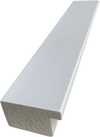
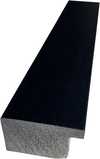
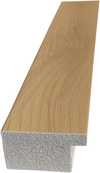
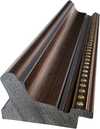
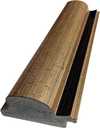
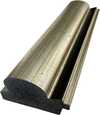
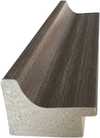
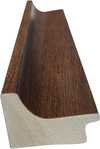
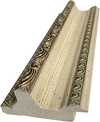
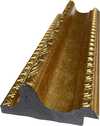
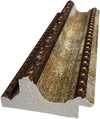
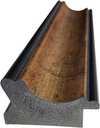
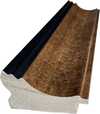
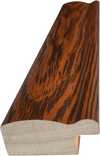
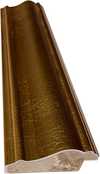
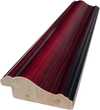
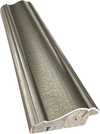
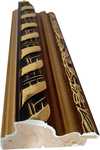
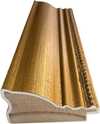
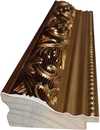
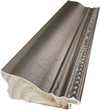
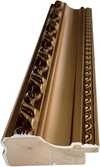
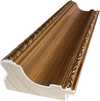
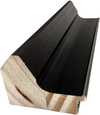
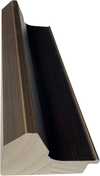
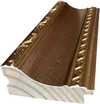
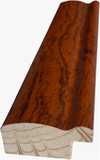
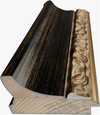
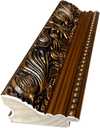
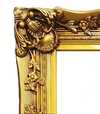
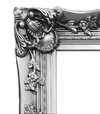
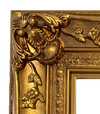
 A opção de vidro está disponível apenas para tamanhos inferiores a 110 cm


