Impressão giclée ou em tela de qualidade de museu, com produção rápida e opções flexíveis de acabamento. ( Mudar para pintura feita à mão Alternar para Imagem)
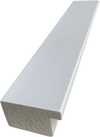
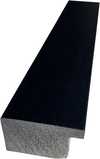
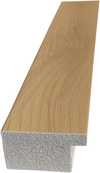
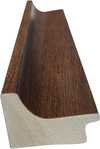
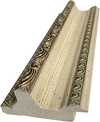
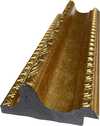
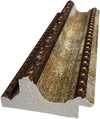
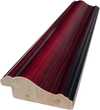
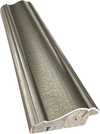
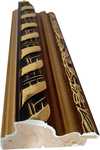
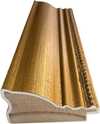
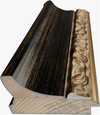
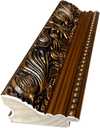
Escolha entre os nossos tamanhos pré-definidos que respeitam as proporções originais da obra de arte.

Você pode inserir suas próprias dimensões para se ajustar a uma moldura ou espaço específico. Se o tamanho selecionado não corresponder às proporções da imagem original, iremos recortar a obra de arte ou estender a imagem com uma borda espelhada ou preenchimento sólido. Um mockup digital será enviado para sua aprovação antes do início da produção.
Por favor, observe que a visualização na tela não reflete o recorte ou a extensão real. Apenas o mockup mostrará com precisão a composição final.
Embora tamanhos personalizados estejam disponíveis, recomendamos selecionar uma dimensão da lista predefinida para preservar as proporções originais.
Entrega mundial () em 2 semanas, em vez das 4/5 semanas padrão. (31 Julho)


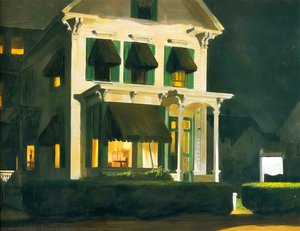
untitled (3714)
Dimensões da Reprodução
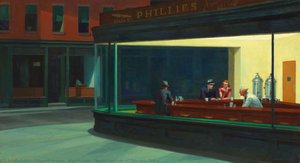
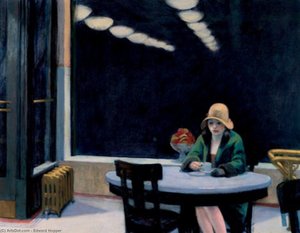
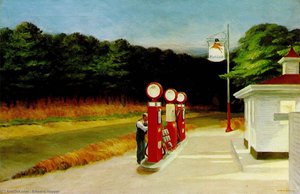
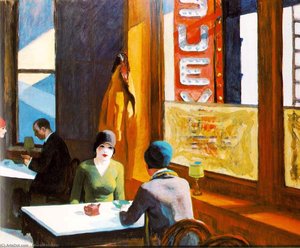
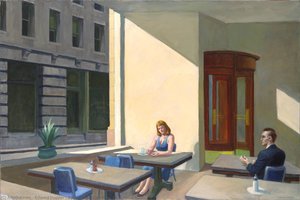
Edward Hopper's "Untitled (3714)," painted in 1942, isn’t merely a depiction of a diner interior; it’s a distilled essence of modern American loneliness. This deceptively simple scene—an elderly man perched on the steps of a modest house, leaning heavily on a cane—resonates with an almost unbearable quietude, a feeling that has become inextricably linked to Hopper's artistic vision and the anxieties of his era. The painting captures a fleeting moment of solitude, a tableau of human existence stripped bare of connection, rendered in a palette of muted earth tones and punctuated by the stark geometry of urban architecture.
Hopper’s mastery lies not just in observation but in translating that observation into a potent emotional experience. He wasn't interested in grand narratives or dramatic action; instead, he focused on the subtle gestures, the unspoken anxieties, and the pervasive sense of detachment that characterized much of 20th-century American life. The composition is meticulously controlled—the vertical thrust of the building, the horizontal sweep of the steps, all contribute to a feeling of contained stillness. The man’s posture, his slight stoop and the weight of the cane, immediately convey vulnerability and a quiet resignation. It's a portrait not of a specific individual, but of a universal experience: the feeling of being adrift in a vast, impersonal world.
The painting’s power is deeply rooted in Hopper’s distinctive technique. He employed a predominantly realistic style, yet infused it with a modernist sensibility—a deliberate simplification of forms and an acute awareness of light and shadow. Notice how the diffused afternoon light streams through the windows, casting long, soft shadows that flatten the space and heighten the sense of isolation. The use of ochre, brown, and yellow creates a warm, aged atmosphere, suggesting both time and decay. Hopper’s brushwork is remarkably smooth, almost impersonal—a deliberate choice that reinforces the painting's detached mood. He favored oil paints on canvas, allowing for rich color saturation and subtle gradations of tone.
The meticulous rendering of the building’s facade – the slightly weathered siding, the precise lines of the windows – speaks to Hopper’s painstaking attention to detail. Yet, this precision serves not to create a realistic representation but rather to emphasize the rigidity and artificiality of the urban environment. The rectangular shapes dominate the composition, creating a sense of order that ironically underscores the underlying feeling of alienation.
“Untitled (3714)” is rich in symbolic resonance. The elderly man himself represents aging, vulnerability, and perhaps even mortality. The cane isn’t simply a walking aid; it's a symbol of dependence and a reminder of time passing. The house, modest and unassuming, suggests a longing for stability and connection—a desire that remains unfulfilled. The darkened street outside the diner further amplifies this sense of isolation, creating a visual barrier between the man and the world beyond.
Hopper’s work frequently explored themes of loneliness, alienation, and the search for meaning in a rapidly changing society. “Untitled (3714)” is a quintessential example of this preoccupation, capturing the quiet desperation of individuals struggling to find their place in an increasingly impersonal world. It's a painting that invites contemplation—a silent conversation about the human condition.
Edward Hopper’s influence on American art and culture is undeniable. “Untitled (3714)” stands as one of his most iconic works, embodying his signature style and thematic concerns. Reproductions of this painting continue to resonate with viewers today, offering a poignant glimpse into the complexities of modern life. Its enduring appeal lies in its ability to evoke a powerful emotional response—a sense of melancholy, introspection, and perhaps even a touch of recognition for the quiet solitude that resides within us all.
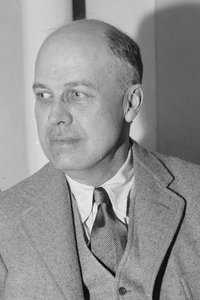
1931 - 1967 , Estados Unidos da América

Explore the revolutionary Ashcan School! Discover how artists like Henri & Sloan challenged tradition with gritty realism, capturing urban life in early 20th-century America. Learn about their impact on American art history.

Descubra as 25 obras-primas de Edward Hopper, o mestre do realismo americano. Explore a atmosfera melancólica, luz e sombra em quadros icônicos como 'Nighthawks'. Encontre reproduções de arte exclusivas para decorar sua casa com BuyPopArt.com.

Explore the life & legacy of Robert Henri, a pivotal figure in American Realism. Discover his captivating portraits, influence on the Ashcan School, and enduring impact on art history. Learn more at BuyPopArt.

Explore the captivating world of realism in art history! Discover iconic street scenes & genre paintings from masters like Courbet & Brown. Expert analysis & museum-quality reproductions at BuyPopArt.

Explore the profound world of Edward Hopper's American realism. Discover the symbolism, themes & enduring legacy of this iconic artist – from 'Nighthawks' to his lesser-known masterpieces. Expert analysis and insights.


Fique por dentro das últimas notícias de arte, ofertas exclusivas e ideias de decoração.
Conte-nos sobre o seu projeto e os nossos especialistas em arte fornecerão 3 sugestões de arte personalizadas.
Deixe-nos selecionar 3 opções especialmente para você – Grátis!


 Visualizar em escala
 Enviar
 Compartilhar
 Detalhes da obra

 Baixar
 Semelhantes
 Raio X
 Slideshow

 Ver mais
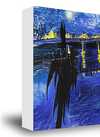
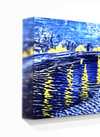
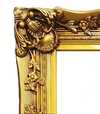
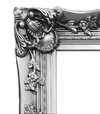
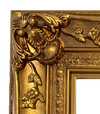
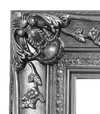
 A opção de vidro está disponível apenas para tamanhos inferiores a 110 cm