

Óleo sobre tela pintado à mão no seu tamanho e moldura, feito sob encomenda pelos nossos artistas. ( Encomendar impressão Comprar imagem em alta resolução)





























Escolha entre os nossos tamanhos pré-definidos que respeitam as proporções originais da obra de arte.

Pode inserir as suas próprias dimensões para se adequar a uma moldura ou espaço específico. Se o tamanho selecionado não corresponder às proporções da imagem original, iremos cortar a obra de arte ou estender a pintura com elementos adicionais pintados à mão. Um esboço digital será enviado para sua aprovação antes do início da produção.
Tenha em atenção que a pré-visualização no ecrã não reflete o corte ou extensão real. Apenas o esboço mostrará com precisão a composição final.
Embora tamanhos personalizados estejam disponíveis, recomendamos selecionar uma dimensão da lista predefinida para preservar as proporções originais.
Entrega mundial () em 3 a 4 semanas, em vez das 5 semanas padrão. (16 Agosto). Sem comprometer a qualidade.


After
Dimensões da Reprodução
Gustave Moreau's 1865 illustration, ‘After,’ is not merely an image; it’s an immersion into a world steeped in myth, foreboding, and the sublime beauty of struggle. Dominated by a palette of somber greys and earthy browns, the work depicts a winged figure locked in combat atop a serpentine dragon – a scene that resonates with primal energies and timeless narratives. It is a piece that demands attention, not through vibrant color, but through an intricate web of line, texture, and symbolic weight.
Moreau occupies a fascinating position in art history, standing as a pivotal figure in the burgeoning Symbolist movement while simultaneously drawing deeply from artistic traditions of the past. His style echoes the meticulous detail and narrative focus found within medieval illuminated manuscripts and Renaissance masterpieces, yet he infuses this historical aesthetic with a distinctly macabre sensibility. Executed primarily in pen and ink, ‘After’ showcases an extraordinary mastery of draftsmanship. The artist employs painstaking hatching and cross-hatching to build rich textures and create a sense of depth despite the somewhat flattened perspective. Angular shapes – evident in the dragon's scales, the figure’s armor, and the wings – provide a striking counterpoint to the flowing curves of the serpent’s body, amplifying the visual tension. This interplay between sharp definition and organic form is central to Moreau’s unique aesthetic.
At its heart, ‘After’ presents a classic mythological trope: the battle between a heroic figure and a dragon. However, for Moreau, this was never simply an illustration of legend; it was an opportunity to explore profound symbolic themes. The dragon, often representing chaos, primal forces, or even evil itself, is confronted by a warrior embodying order, courage, and perhaps divine authority. Scattered celestial bodies in the background elevate the conflict to a cosmic scale – a struggle not merely between earthly powers but of universal principles. Moreau was deeply inspired by mythology, literature—Shakespeare and the Bible being prominent sources—and history, reinterpreting these narratives through his unique Symbolist lens. The resolute expression on the figure’s face hints at unwavering determination, while the dragon's menacing form underscores the gravity of the challenge. It is a visual representation of an eternal conflict, a testament to the enduring power of myth.
Gustave Moreau lived during a period of rapid industrialization and societal change in 19th-century France. His art was, in many ways, a reaction against the perceived materialism of modern life, a yearning for deeper meaning through allegory and evocative imagery. As a leading figure in Symbolism, he rejected the realism and naturalism that dominated much of the artistic landscape, instead seeking to express subjective experience, imagination, and spiritual themes. ‘After’ evokes a powerful emotional response – one of foreboding, tension, and perhaps even awe. The somber color palette and dramatic composition create an atmosphere of mystery and intrigue. This artwork would be a striking addition to various interior design schemes, particularly those leaning towards gothic, Victorian, or eclectic styles. Consider pairing it with rich, jewel-toned fabrics and antique furniture; its monochromatic nature allows for versatility in complementing both warm and cool color palettes. Its dramatic presence would be especially effective within a library, study, or dining room—spaces that invite contemplation and conversation.
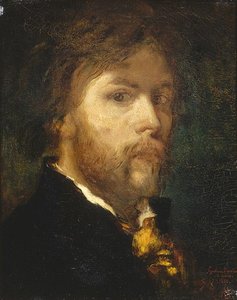
1826 - 1898 , França

Explore the evolution of Gothic vibes, from historical shadows to bold modern edge. Discover how dark aesthetics, noir interiors, and contemporary subcultures are redefining modern design through a high-impact, trend-focused lens.

Level up your space with the boldest trend in urban design. Discover how dark art, moody textures, and high-contrast aesthetics create a powerful visual impact. Master the art of shadow and soul to transform your modern interior into a high-energy masterpiece.


Fique por dentro das últimas notícias de arte, ofertas exclusivas e ideias de decoração.
Conte-nos sobre o seu projeto e os nossos especialistas em arte fornecerão 3 sugestões de arte personalizadas.
Deixe que selecionamos 3 opções especialmente para você – Grátis!


 Visualizar em escala
 Enviar
 Compartilhar
 Ver detalhes

 Baixar
 Semelhantes
 Raio X
 Apresentação de slides

 Ver mais







 A opção de vidro está disponível apenas para tamanhos inferiores a 110 cm


