

 AcrylicWallArtNorthern Renaissance
 Early Medieval
 285.0 x 205.0 cm
 Graphische Sammlung Albertina
Adquira uma imagem digital de alta resolução e aprimorada, muito superior à prévia online.
Cada arquivo é meticulosamente preparado por nossos especialistas internos, utilizando ferramentas avançadas e retoques manuais de alta precisão. Garantimos que cada imagem apresente clareza excepcional, fidelidade de cores e detalhes minuciosos.
O arquivo final é entregue por e-mail em até 72 horas, otimizado para uso imediato em ambientes profissionais, editoriais e de impressão. Esta é a mesma qualidade utilizada por estúdios de design de alto nível, editoras e galerias.
Baixe um arquivo de alta resolução para exibição pessoal, impressão e projetos criativos. ( Alternar para Impressão Encomendar reprodução pintada à mão)
Ao escolher o BuyPopArt.com, você não está apenas recebendo uma imagem — você está recebendo uma obra de arte digital profissionalmente aprimorada, elaborada com precisão e com garantia de satisfação. Aqui está tudo o que acompanha seu pedido, automaticamente:

O seu arquivo de imagem digital em alta resolução será enviado por e-mail em até 72 horas após o pedido — pronto para uso imediato.

Sua obra de arte é otimizada profissionalmente por meio de ferramentas avançadas de IA e edição manual, garantindo o máximo de detalhes, clareza e precisão de cores.

Apagou ou perdeu o seu ficheiro acidentalmente? Não se preocupe – nós reenviamos para si a qualquer momento, gratuitamente.

Desfrute da sua obra de arte instantaneamente, sem taxas alfandegárias, impostos ou custos de entrega — downloads digitais são sempre isentos de taxas.

Garantimos que sua imagem digital reflita as cores originais com a maior fidelidade possível, utilizando ferramentas profissionais e gerenciamento de cores.

Se você não estiver satisfeito com sua imagem digital, nós a revisaremos ou reembolsaremos 100% dentro de 60 dias — sem perguntas.

Não está satisfeito? Receba o reembolso total em até 60 dias após o recebimento do seu arquivo digital — sem perguntas.

Compre 3 imagens, economize 10% - Compre 5, economize 15% - Compre 10+, economize 20%. Ideal para projetos criativos, galerias e agências.
Hieronymus Bosch's "Beggars," a meticulously rendered pen and ink drawing, isn’t merely a depiction of poverty; it’s a profound meditation on human nature, steeped in the anxieties and moral complexities of late medieval Europe. Created around 1500, this work transcends its subject matter to become a haunting allegory, reflecting Bosch's signature blend of meticulous realism with fantastical and unsettling imagery—a visual vocabulary that continues to captivate and disturb centuries later. The drawing’s stark monochrome palette – shades of gray and white – immediately establishes an atmosphere of solemnity and unease, mirroring the hardship depicted within its crowded composition. It’s a scene not of simple charity, but of a deeper, more unsettling truth about societal structures and human vulnerability.
Bosch's genius lies in his ability to imbue everyday subjects with symbolic weight. The figures sprawled across the frame—beggars, crippled individuals, and those seemingly lost in contemplation—are not simply portraits of the destitute; they represent a broader critique of societal failings. The sheer density of the scene, achieved through overlapping forms and intricate hatching techniques, creates a claustrophobic effect, mirroring the feeling of entrapment experienced by these marginalized members of society. The lack of a clear focal point forces the viewer to confront the multitude of sorrows represented, demanding an active engagement with the artwork’s unsettling narrative.
“Beggars” is a testament to Bosch's extraordinary technical skill. The work is dominated by fine, precise lines—a hallmark of his meticulous penmanship. Bosch masterfully employs hatching and cross-hatching techniques to build up tonal values and define the forms of the figures with remarkable detail. This painstaking process creates an illusion of texture and volume, giving a tangible quality to the seemingly frail bodies depicted. The varying pressure applied to the quill results in subtle shifts in tone, mimicking the play of light and shadow—a sophisticated technique that elevates the drawing beyond simple representation.
The choice of pen and paper is crucial to understanding the artwork’s character. The delicate lines evoke a sense of fragility and vulnerability, mirroring the plight of the subjects depicted. The stark contrast between the dark ink and the white paper creates an almost theatrical effect, emphasizing the figures' isolation and despair. It’s a deliberate choice that underscores the drawing’s emotional intensity.
As with much of Bosch’s oeuvre, “Beggars” is laden with symbolic meaning—though its precise interpretations remain open to debate. The figures themselves can be seen as representations of sin, temptation, or the consequences of moral decay. The presence of animals – a recurring motif in Bosch's work – adds another layer of complexity, suggesting a blurring of boundaries between humanity and the natural world. Some scholars have linked the scene to biblical narratives of judgment and punishment, while others interpret it as a commentary on the social injustices prevalent during Bosch’s time.
The overall effect is profoundly unsettling—a visual representation of human suffering and the potential for corruption within society. “Beggars” isn't simply a depiction of poverty; it’s an invitation to confront uncomfortable truths about ourselves and the world around us, a timeless reminder of the enduring challenges faced by those on the margins of society.
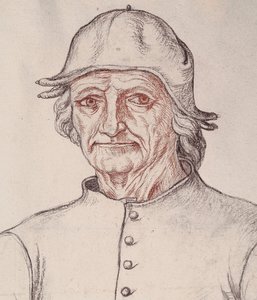
1450 - 1516 , Países Baixos


Fique por dentro das últimas notícias de arte, ofertas exclusivas e ideias de decoração.
Conte-nos sobre o seu projeto e os nossos especialistas em arte fornecerão 3 sugestões de arte personalizadas.
Deixe que selecionamos 3 opções especialmente para você – Grátis!


 Visualizar na parede
 Compartilhar
 Compartilhar
 Detalhes

 Baixar imagem
 Semelhantes
 Raio X
 Apresentação de slides
 Ler mais