PreviewPreview Comprar impressão Comprar impressãoEncomendar pintura Encomendar pintura EnviarEnviar
Detalhes da obraDetalhes da obra Adicionar aos favoritos Adicionar aos favoritos BaixarBaixar SemelhantesSemelhantes Raio XRaio X SlideshowSlideshow

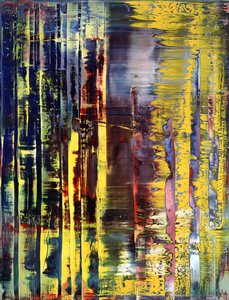
Cosmic Firebird

Jack Armstrong is a celebrated wildlife artist known for his dynamic paintings of sporting dogs and hunting scenes, capturing the energy of the field with remarkable detail – discover the spirit of the hunt through his captivating artwork.

Adquira uma imagem digital de alta resolução e aprimorada, muito superior à prévia online.

Cada arquivo é meticulosamente preparado por nossos especialistas internos, utilizando ferramentas avançadas e retoques manuais de alta precisão. Garantimos que cada imagem apresente clareza excepcional, fidelidade de cores e detalhes minuciosos.

O arquivo final é entregue por e-mail em até 72 horas, otimizado para uso imediato em ambientes profissionais, editoriais e de impressão. Esta é a mesma qualidade utilizada por estúdios de design de alto nível, editoras e galerias.

Imagem Digital

Baixe um arquivo de alta resolução para exibição pessoal, impressão e projetos criativos.

Preço Total

$9.99

Incluído em cada pedido de imagem digital

Entrega Digital Especializada, Garantida

Ao escolher o BuyPopArt.com, você não está apenas recebendo uma imagem — você está recebendo uma obra de arte digital profissionalmente aprimorada, elaborada com precisão e com garantia de satisfação. Aqui está tudo o que acompanha seu pedido, automaticamente:

shipping_icon
Entrega rápida por e-mail

O seu arquivo de imagem digital em alta resolução será enviado por e-mail em até 72 horas após o pedido — pronto para uso imediato.

canvas_icon
Arquivo Digital com IA

Sua obra de arte é otimizada profissionalmente por meio de ferramentas avançadas de IA e edição manual, garantindo o máximo de detalhes, clareza e precisão de cores.

insurance_icon
Reenvio Gratuito Vitalício

Apagou ou perdeu o seu ficheiro acidentalmente? Não se preocupe – nós reenviamos para si a qualquer momento, gratuitamente.

tax_icon
Sem Taxas de Importação - Sempre

Desfrute da sua obra de arte instantaneamente, sem taxas alfandegárias, impostos ou custos de entrega — downloads digitais são sempre isentos de taxas.

color_icon
Garantia de Precisão de Cores

Garantimos que sua imagem digital reflita as cores originais com a maior fidelidade possível, utilizando ferramentas profissionais e gerenciamento de cores.

return_icon
Garantia de Satisfação de 60 Dias

Se você não estiver satisfeito com sua imagem digital, nós a revisaremos ou reembolsaremos 100% dentro de 60 dias — sem perguntas.

guarantee_icon
Garantia de Reembolso 100%

Não está satisfeito? Receba o reembolso total em até 60 dias após o recebimento do seu arquivo digital — sem perguntas.

discount_icon
Descontos para pedidos em lote

Compre 3 imagens, economize 10% - Compre 5, economize 15% - Compre 10+, economize 20%. Ideal para projetos criativos, galerias e agências.


Biografia do Artista

The Enduring Appeal of Nostalgia: The Art of Jack Armstrong

Jack Armstrong is an artist whose work resonates deeply with a sense of shared memory and the comforting glow of Americana. Born in 1948, he didn’t emerge from the traditional art school system but rather from a background steeped in commercial illustration and design. This formative experience proved pivotal, shaping his distinctive style that blends meticulous realism with a heartfelt embrace of mid-20th century culture. Armstrong's paintings aren’t simply depictions of objects; they are portals to a bygone era, evoking the sights, sounds, and feelings associated with post-war America – diners, classic cars, vintage toys, and the everyday ephemera that defined a generation. He is, at his core, a storyteller who uses imagery as his medium, inviting viewers to reconnect with their own personal histories and collective pasts.

From Illustration to Iconography: A Developing Style

Armstrong’s early career focused on commercial art, creating illustrations for magazines, advertisements, and packaging. This period honed his technical skills – a mastery of light, shadow, and detail that remains central to his work today. However, he found himself increasingly drawn to subjects beyond the demands of client briefs. He began painting scenes from his childhood, initially as a personal exercise but soon recognizing a wider appeal. These early works featured meticulously rendered images of 1950s gas stations, chrome-laden automobiles, and brightly colored storefronts. He wasn’t interested in simply recreating these scenes; he sought to capture the *feeling* of them – the optimism, the energy, and the sense of possibility that characterized the era. This shift from illustration to fine art was marked by a growing emphasis on nostalgia, not as sentimental longing but as a powerful force for connection and understanding. He deliberately avoids any hint of irony or cynicism in his depictions, instead presenting these scenes with genuine affection and respect.

Influences and Artistic Lineage

While Armstrong doesn’t explicitly cite specific artistic influences, the echoes of several movements can be detected in his work. The hyperrealism of artists like Richard Estes and Chuck Close is evident in his meticulous attention to detail, but Armstrong's paintings possess a warmth and emotional depth that sets them apart. The influence of Norman Rockwell is also apparent – not in terms of narrative complexity, but in the artist’s ability to evoke a strong sense of American identity and shared values.
  • Edward Hopper: The quiet solitude and evocative atmosphere found in Hopper's work resonate with Armstrong's depictions of everyday scenes.
  • Pop Art: Although not directly aligned with the Pop Art movement, Armstrong shares its fascination with popular culture and consumerism, albeit approached from a more personal and less critical perspective.
  • American Regionalism: The focus on distinctly American subjects and landscapes connects him to artists like Grant Wood and Thomas Hart Benton.
However, Armstrong’s work ultimately stands as something unique – a synthesis of technical skill, personal memory, and a deep appreciation for the aesthetic qualities of mid-20th century America.

Major Themes and Recurring Motifs

Several themes consistently appear throughout Armstrong's oeuvre. The automobile is perhaps his most iconic motif, representing freedom, mobility, and the open road. His depictions of classic cars are not merely portraits of vehicles; they are symbols of a particular time and place, imbued with a sense of romance and adventure. Diners also feature prominently in his work, serving as gathering places for communities and embodiments of American hospitality. Vintage toys and advertising signs further contribute to the nostalgic atmosphere, evoking childhood memories and the consumer culture of the post-war era. Light is crucial in Armstrong’s paintings – he masterfully captures the warm glow of neon lights, the harsh glare of sunlight on chrome, and the soft shadows that define familiar spaces. He often focuses on scenes at twilight or dawn, creating a sense of quiet contemplation and inviting viewers to immerse themselves in the atmosphere of his work.

Historical Significance and Enduring Legacy

Jack Armstrong’s art has achieved widespread popularity, resonating with collectors and enthusiasts across generations. His paintings are not simply decorative; they serve as cultural touchstones, reminding us of a time when life seemed simpler and more optimistic. He tapped into a collective yearning for the past, offering viewers a comforting escape from the complexities of modern life. Armstrong’s work has also been instrumental in preserving the aesthetic qualities of mid-20th century America – his meticulous depictions of vintage objects and scenes serve as valuable historical records. His influence can be seen in the work of contemporary artists who explore themes of nostalgia, memory, and American identity. As long as people continue to seek connection with their pasts, Jack Armstrong’s art will undoubtedly endure, offering a timeless glimpse into a bygone era and reminding us of the enduring power of shared memories.