

 Acrylic On CanvasWallArtNeoclassical Movement
 High Medieval
 121.0 x 170.0 cm
Adquira uma imagem digital de alta resolução e aprimorada, muito superior à prévia online.
Cada arquivo é meticulosamente preparado por nossos especialistas internos, utilizando ferramentas avançadas e retoques manuais de alta precisão. Garantimos que cada imagem apresente clareza excepcional, fidelidade de cores e detalhes minuciosos.
O arquivo final é entregue por e-mail em até 72 horas, otimizado para uso imediato em ambientes profissionais, editoriais e de impressão. Esta é a mesma qualidade utilizada por estúdios de design de alto nível, editoras e galerias.
Baixe um arquivo de alta resolução para exibição pessoal, impressão e projetos criativos. ( Encomendar impressão Encomendar reprodução pintada à mão)
Ao escolher o BuyPopArt.com, você não está apenas adquirindo uma imagem — você está recebendo uma obra de arte digital profissionalmente aprimorada, elaborada com precisão e com garantia de satisfação. Aqui está tudo o que acompanha seu pedido, automaticamente:

O seu arquivo de imagem digital em alta resolução será enviado por e-mail em até 72 horas após o pedido — pronto para uso imediato.

Sua obra de arte é otimizada profissionalmente por meio de ferramentas avançadas de IA e edição manual, garantindo o máximo de detalhes, clareza e precisão de cores.

Apagou ou perdeu o seu ficheiro acidentalmente? Não se preocupe – nós reenviamos para si a qualquer momento, gratuitamente.

Desfrute da sua obra de arte instantaneamente, sem taxas alfandegárias, impostos ou custos de entrega — downloads digitais são sempre isentos de taxas.

Garantimos que sua imagem digital reflita as cores originais com a maior fidelidade possível, utilizando ferramentas profissionais e gerenciamento de cores.

Se você não estiver satisfeito com sua imagem digital, nós a revisaremos ou reembolsaremos 100% dentro de 60 dias — sem perguntas.

Não está satisfeito? Receba o reembolso total em até 60 dias após o recebimento do seu arquivo digital — sem perguntas.

Compre 3 imagens, economize 10% - Compre 5, economize 15% - Compre 10+, economize 20%. Ideal para projetos criativos, galerias e agências.
Jacques-Louis David’s “Patrocles,” painted in 1780 and now residing within the Musée Thomas-Henry in Cherbourg-en-Cotentin, France, is more than a mere depiction of a nude male form; it's a profound meditation on heroism, sacrifice, and the enduring power of classical ideals. This monumental work, rendered with David’s signature Neoclassical precision, immediately commands attention through its sheer scale – measuring 121 x 170 cm – and the arresting physicality of its central figure. The composition is strikingly simple yet profoundly effective: a powerfully built man lies prone on a rock, his back turned to the viewer, exposing an anatomy sculpted with meticulous detail and bathed in dramatic chiaroscuro lighting.
David’s artistic journey was one of deliberate transformation. Initially influenced by the opulent frivolity of Rococo painting under François Boucher, he sought a more rigorous aesthetic rooted in antiquity. This shift culminated in his embrace of Neoclassicism, a movement characterized by its reverence for ancient Greek and Roman art and architecture. “Patrocles” embodies this ethos perfectly, drawing inspiration from classical sculpture while simultaneously imbuing the subject with an intensely human drama. The pose itself—a deliberate echo of depictions of fallen heroes found in Roman statues—immediately evokes notions of stoicism, resilience, and ultimate sacrifice.
The painting’s technical brilliance lies in David's masterful manipulation of light and shadow, a technique he honed by studying the dramatic lighting employed by Caravaggio. The stark contrast between illuminated muscle mass and deep shadows creates an astonishing sense of volume and weight, lending the figure an almost sculptural quality. Notice how the light emphasizes the contours of his torso, highlighting the strength and power of his physique—a deliberate reference to the idealized male form celebrated in classical art. The subtle variations in tone suggest a complex understanding of anatomy and a keen eye for capturing the nuances of human musculature.
Beyond the technical prowess, David’s use of color is equally significant. The palette is restrained – primarily earthy tones of ochre, brown, and gray—further emphasizing the painting's classical austerity. This deliberate lack of vibrant hues reinforces the sense of timelessness and elevates the subject beyond mere physical beauty, suggesting instead a profound connection to enduring values.
“Patrocles” is not simply a nude study; it’s an illustration drawn from Homer's *Iliad*, depicting the legendary warrior Patroclus, Achilles’ dearest friend. The story recounts how Patroclus was killed in battle, and his body was subsequently desecrated by Hector of Troy. David’s painting captures the moment after death—a poignant depiction of vulnerability and acceptance. This narrative context adds layers of meaning to the image, transforming it into a meditation on mortality, loyalty, and the tragic consequences of war.
Painted during a period of significant social and political upheaval in France – just before the French Revolution – “Patrocles” reflects the era’s yearning for order, reason, and moral clarity. David's embrace of classical ideals offered a powerful antidote to the perceived excesses of the Rococo style and provided a visual vocabulary for expressing republican values. The painting served as a potent symbol of strength, virtue, and civic duty—qualities that resonated deeply with those seeking to establish a new order in France.
“Patrocles” stands as a cornerstone of Jacques-Louis David’s oeuvre and a defining example of Neoclassical art. Its influence can be seen in countless subsequent works, shaping the visual language of European painting for decades to come. The image's enduring appeal lies not only in its technical mastery but also in its profound exploration of human emotion and timeless themes. Today, reproductions of this powerful artwork offer a unique opportunity to experience the grandeur and intellectual depth of David’s vision—a testament to the lasting legacy of Neoclassicism.
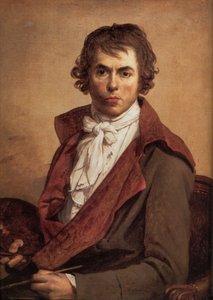
1748 - 1800 , França


Fique por dentro das últimas notícias de arte, ofertas exclusivas e ideias de decoração.
Conte-nos sobre o seu projeto e os nossos especialistas em arte fornecerão 3 sugestões de arte personalizadas.
Deixe que selecionamos 3 opções especialmente para você – Grátis!


 Visualizar em escala
 Enviar
 Compartilhar
 Ver detalhes

 Baixar
 Semelhantes
 Raio X
 Apresentação de slides
 Ver mais