


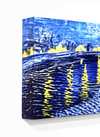
Impressão giclée ou em tela de qualidade de museu, com produção rápida e opções flexíveis de acabamento. ( Switch to hand made Painting Switch to Image)
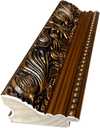
Escolha entre os nossos tamanhos pré-definidos que respeitam as proporções originais da obra de arte.

Você pode inserir suas próprias dimensões para se ajustar a uma moldura ou espaço específico. Se o tamanho selecionado não corresponder às proporções da imagem original, iremos recortar a obra de arte ou estender a imagem com uma borda espelhada ou preenchimento sólido. Um mockup digital será enviado para sua aprovação antes do início da produção.
Por favor, observe que a visualização na tela não reflete o recorte ou a extensão real. Apenas o mockup mostrará com precisão a composição final.
Embora tamanhos personalizados estejam disponíveis, recomendamos selecionar uma dimensão da lista predefinida para preservar as proporções originais.
Entrega mundial () em 2 semanas, em vez das 4/5 semanas padrão. (29 Julho)


A Assembleia
Dimensões da Reprodução
Jan Miel (1599–1663) stands as a pivotal figure in the artistic landscape of the seventeenth century, embodying the fascinating confluence of Flemish tradition and Italian innovation. Born in Beveren, Belgium—though Antwerp and ‘s-Hertogenbosch remain contenders for his birthplace—Miel’s early life remains shrouded in relative obscurity, leaving biographical details sparse. However, what emerges from scholarly research is a remarkable artistic journey marked by stylistic evolution and collaborative endeavors that cemented his place within the vibrant cultural milieu of Rome and Turin.
His formative years were spent honing his craft primarily in Antwerp, where he absorbed the influences of prominent Flemish masters like Anthony van Dyck. While the precise scope of his training remains elusive, it undoubtedly instilled within him an appreciation for meticulous observation and refined technique—qualities that would characterize much of his subsequent oeuvre. This foundational grounding in classical draughtsmanship and portraiture provided the essential toolkit for a career that would eventually transcend regional boundaries.
Miel’s arrival in Rome around 1636 signaled a transformative moment in his artistic trajectory. He swiftly joined the Bentvueghels, an influential association of Dutch and Flemish artists residing in the Eternal City. Within this brotherhood, he adopted the memorable moniker ‘bieco’, a nickname reflecting his distinctive squinting gaze—a characteristic that would become synonymous with his artistic persona. This affiliation fostered deep connections within a broader artistic community deeply impacted by Pieter van Laert’s Bamboccianti style.
This movement was dedicated to depicting scenes of everyday life amongst the lower classes in Rome and its environs, eschewing the idealized grandeur of High Renaissance art for something far more visceral and immediate. Miel embraced this trend wholeheartedly, producing captivating genre paintings that captured the spirit of urban existence with remarkable realism and sensitivity. His works often featured:
As his career progressed, Miel’s artistic vision underwent a significant metamorphosis. While he remained a master of the genre scene, he began to move away from the gritty realism of the Bamboccianti toward more classicizing history paintings. This shift reflected a broader trend in European art, where the raw energy of the Baroque was increasingly tempered by a desire for order, nobility, and classical allegory.
This evolution eventually led him to prestigious appointments, most notably serving as a court artist to Charles Emanuel II, Duke of Savoy. In the service of the Turin court, Miel’s work took on a more formal and magnificent character. The intimacy of his earlier Roman scenes gave way to compositions of greater scale and complexity, designed to reflect the power and prestige of his royal patron. This period represents the pinnacle of his professional achievement, where his Flemish roots in detail met the grand, sweeping narratives required by the European aristocracy.
The historical significance of Jan Miel lies in his ability to navigate these disparate worlds. He was an artist who could find beauty in the humble struggles of a Roman street urchin and dignity in the epic tales of antiquity. By bridging the gap between the meticulous realism of the North and the dramatic classicism of the South, Miel left an indelible mark on the seventeenth-century canon, ensuring his legacy as a true cosmopolitan of the Baroque era.

1599 - 1663 , Belgium
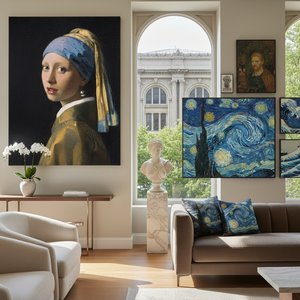
Descubra as 25 obras-primas do Metropolitan Museum of Art em Nova York! Explore a história de Van Gogh, Monet e outros artistas renomados. Encontre reproduções de arte exclusivas para decorar sua casa com elegância. BuyPopArt.com – Sua fonte de inspiração artística.
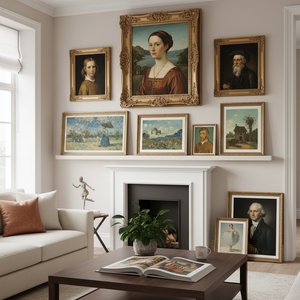
Descubra os 25 tesouros da National Gallery of Art, Washington! Explore a história de Cézanne, Matisse, Picasso e outros mestres. Encontre reproduções de arte exclusivas para decorar sua casa com elegância. Inspire-se e explore a coleção completa em BuyPopArt.com.
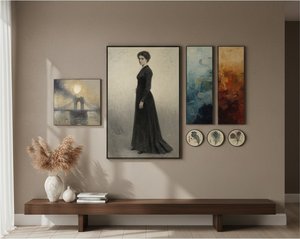
Descubra as 25 obras-primas de James Abbott McNeill Whistler, o mestre do Impressionismo e dos 'Nocturnes'. Explore a história por trás de cada pintura, cores e técnicas. Encontre reproduções de arte exclusivas para decorar sua casa com elegância em BuyPopArt.com!
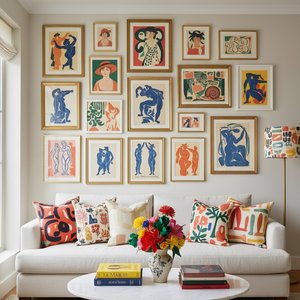
Descubra as 25 obras-primas de Henri Matisse que revolucionaram a arte moderna! Explore o Fauvismo, cores vibrantes e a história por trás dos quadros mais famosos do artista. Encontre reproduções de alta qualidade para decorar sua casa com BuyPopArt.com.
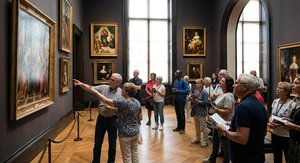
Descubra as 25 obras-primas da Alte Pinakothek, Munique! Explore a história de Leonardo da Vinci, Rembrandt e Rafael. Encontre reproduções de alta qualidade para transformar sua casa com arte clássica. Inspire-se em cores vibrantes e emoção atemporal. Explore a coleção completa na BuyPopArt.com!


Fique por dentro das últimas notícias de arte, ofertas exclusivas e ideias de decoração.
Conte-nos sobre o seu projeto e os nossos especialistas em arte fornecerão 3 sugestões de arte personalizadas.
Deixe-nos selecionar 3 opções especialmente para você – Grátis!


 Preview
 Enviar
 Compartilhar
 Detalhes da obra

 Baixar
 Semelhantes
 Raio X
 Slideshow


 Ver mais
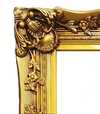
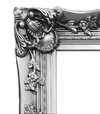
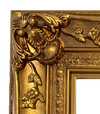
 A opção de vidro está disponível apenas para tamanhos inferiores a 110 cm


