

 Oil On CanvasWallArtRomanticism
 19th Century
 56.0 x 71.0 cm
Óleo sobre tela pintado à mão no seu tamanho e moldura, feito sob encomenda pelos nossos artistas. ( Encomendar impressão Comprar imagem em alta resolução)





























Escolha entre os nossos tamanhos pré-definidos que respeitam as proporções originais da obra de arte.

Pode inserir as suas próprias dimensões para se adequar a uma moldura ou espaço específico. Se o tamanho selecionado não corresponder às proporções da imagem original, iremos cortar a obra de arte ou estender a pintura com elementos adicionais pintados à mão. Um esboço digital será enviado para sua aprovação antes do início da produção.
Tenha em atenção que a pré-visualização no ecrã não reflete o corte ou extensão real. Apenas o esboço mostrará com precisão a composição final.
Embora tamanhos personalizados estejam disponíveis, recomendamos selecionar uma dimensão da lista predefinida para preservar as proporções originais.
Entrega mundial () em 3 a 4 semanas, em vez das 5 semanas padrão. (19 Agosto). Sem comprometer a qualidade.


A winter landscape with with figures on a path, a footbridge and windmills beyond
Dimensões da Reprodução
In the quietude of a frost-bitten morning, John Constable’s "Winter Landscape with Figures on a Path, A Footbridge and Windmills Beyond" invites the viewer into a realm where time seems to have frozen alongside the landscape. Painted around 1824-25, this masterpiece is far more than a mere seasonal depiction; it is a profound meditation on the enduring relationship between humanity and the natural world. As one gazes upon the snow-dusted fields of Suffolk's Dedham Vale, there is an immediate sense of entering a sanctuary of stillness. The artwork captures that fleeting, heavy moment just before a snowfall, where the atmosphere is thick with anticipation and the world holds its breath in a state of quiet contemplation.
The composition masterfully guides the wandering eye through a meticulously layered English countryside. A winding path, etched into the white expanse, serves as a visual journey, leading the observer past a delicate footbridge toward a distant cluster of cottages and windmills. This structural depth is achieved through Constable’s expert use of atmospheric perspective, where the far reaches of the horizon soften into pale, ethereal tones, creating an illusion of vast, unending space. The presence of small, industrious figures traversing the path grounds this sublime vista in the tangible reality of rural life, reminding us that even in the harshest winters, the rhythm of human perseverance continues unabated.
Technically, this work stands as a testament to Constable’s revolutionary commitment to plein air painting. Eschewing the polished, idealized landscapes of his predecessors, Constable sought the raw truth of nature. He employed oil on canvas with a tactile brilliance, utilizing thick impasto brushstrokes to breathe life into the physical world. One can almost feel the crunch of the frozen earth and the rough grain of the wooden bridge underfoot. His palette is a sophisticated study in restraint; dominated by muted greys, deep browns, and brilliant whites, the color scheme reflects the low-contrast light of an overcast winter sky. These cool, subdued tones do not merely represent coldness—they evoke a specific psychological state of melancholy and peace.
For the discerning collector or interior designer, this painting offers a unique versatility in decor. Its neutral, sophisticated palette allows it to integrate seamlessly into modern minimalist spaces, where it can serve as a serene focal point, or within more traditional, classical settings, where it acts as a window into the Romantic era. The subtle interplay of light and shadow provides a sense of movement within a static scene, ensuring that the artwork remains dynamic and engaging from every angle.
Beyond its aesthetic splendor, the painting is rich with the symbolic language of the Romantic movement. The solitary windmill, standing as a sentinel over the valley, may be interpreted as a symbol of both industrial progress and the inevitable decay of time. There is a poignant tension between the permanence of the landscape and the transient nature of the figures moving through it. This duality creates an emotional resonance that transcends the canvas, touching upon universal themes of solitude, resilience, and the cyclical nature of life.
To possess a reproduction of this work is to bring a piece of English heritage into one's home—a fragment of a lost, pastoral Eden. It is an invitation to slow down, to observe the subtle gradations of light, and to find beauty in the bleakest of seasons. Whether viewed as a historical document of the Dedham Vale or as a pure emotional experience, Constable’s winter vision remains an eternal triumph of the human spirit over the elements.
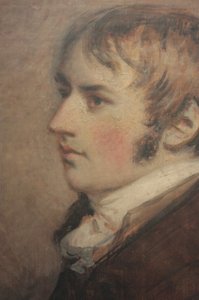
1776 - 1837 , Reino Unido
Descubra as 25 obras-primas de John Constable, o mestre da paisagem inglesa! Explore a arte romântica, cores vibrantes e histórias fascinantes por trás de 'Hay Wain' e outras pinturas icônicas. Encontre reproduções de alta qualidade para decorar sua casa com BuyPopArt.com.

Descubra as 25 obras-primas de Vincent van Gogh, do icônico 'Noite Estrelada' aos vibrantes 'Girassóis'. Explore a história, cores e emoção por trás de cada pintura. Reproduções de alta qualidade em BuyPopArt.com!
Descubra os 10 quadros de paisagem mais icônicos da história da arte! Explore Monet, Van Gogh e outros mestres, suas técnicas e inspirações. Encontre reproduções de alta qualidade para decorar sua casa com beleza e elegância em BuyPopArt.com.

Descubra os 10 quadros mais emblemáticos da Paisagem Romântica! Explore a história de Turner, Friedrich e outros mestres. Encontre reproduções de arte exclusivas para inspirar sua decoração em BuyPopArt.com.
Descubra as 25 obras-primas de John Singer Sargent, o mestre do retrato e do impressionismo americano. Explore a história, técnica e beleza atemporal de seus quadros mais famosos. Encontre reproduções de arte exclusivas para decorar sua casa com elegância em BuyPopArt.com.


Fique por dentro das últimas notícias de arte, ofertas exclusivas e ideias de decoração.
Conte-nos sobre o seu projeto e os nossos especialistas em arte fornecerão 3 sugestões de arte personalizadas.
Deixe que selecionamos 3 opções especialmente para você – Grátis!


 Visualizar em escala
 Enviar
 Compartilhar
 Ver detalhes

 Baixar
 Semelhantes
 Raio X
 Apresentação de slides
 Ver mais







 A opção de vidro está disponível apenas para tamanhos inferiores a 110 cm


