

Impressão giclée ou em tela de qualidade de museu, com produção rápida e opções flexíveis de acabamento. ( Comprar pintura feita à mão Comprar imagem)





























Escolha entre os nossos tamanhos pré-definidos que respeitam as proporções originais da obra de arte.

Você pode inserir suas próprias dimensões para se ajustar a uma moldura ou espaço específico. Se o tamanho selecionado não corresponder às proporções da imagem original, iremos recortar a obra de arte ou estender a imagem com uma borda espelhada ou preenchimento sólido. Um mockup digital será enviado para sua aprovação antes do início da produção.
Por favor, observe que a visualização na tela não reflete o recorte ou a extensão real. Apenas o mockup mostrará com precisão a composição final.
Embora tamanhos personalizados estejam disponíveis, recomendamos selecionar uma dimensão da lista predefinida para preservar as proporções originais.
Entrega mundial () em 2 semanas, em vez das 4/5 semanas padrão. (23 Agosto)


The Peat Baker
Tamanho da Reprodução
John Singer Sargent's "The Peat Baker," painted in 1885, is not merely a portrait; it’s a carefully constructed tableau of quiet intensity. The painting immediately draws the viewer into a dimly lit room, dominated by a man bent low over his work – a baker meticulously preparing loaves of bread. This seemingly simple scene unfolds within a rich tapestry of observation and subtle symbolism, revealing Sargent's masterful control of light, shadow, and psychological depth. The piece offers a glimpse into the domestic life of the late 19th century, yet it transcends its immediate subject matter to become a meditation on labor, solitude, and the quiet dignity of everyday existence.
Sargent’s technique is immediately apparent in the painting's remarkable use of chiaroscuro – the dramatic contrast between light and dark. The room is plunged into a deep, almost velvety darkness, punctuated by shafts of light that illuminate the baker’s face, hands, and the partially visible loaves on his table. This masterful manipulation of light not only creates a sense of realism but also imbues the scene with an atmosphere of mystery and introspection. Sargent employed loose, expressive brushstrokes, particularly in rendering the textures of the bread and the man's clothing, adding to the painting’s tactile quality. The subtle gradations of tone suggest a deep understanding of how light interacts with surfaces – a skill honed through years of studying the masters of Venetian painting.
Beyond its realistic depiction, “The Peat Baker” is laden with symbolic meaning. The baker himself represents the backbone of society—the essential worker who provides sustenance and comfort. His bowed posture suggests a life of tireless labor, yet his face retains an air of quiet pride. The dark room symbolizes introspection and perhaps even isolation; he’s removed from the bustle of daily life, lost in his craft. The two chairs in the background, one slightly to the right and another closer to the center, could represent companionship or simply the remnants of a past conversation, hinting at a solitary existence. Even the “peat” in the title – referring to fuel used for baking – subtly connects the scene to the harsh realities of rural life.
Painted during a period of rapid social change in Europe, "The Peat Baker" reflects Sargent's growing interest in capturing the nuances of everyday life. He had spent considerable time in Brittany, France, immersing himself in the lives of rural communities. This experience profoundly influenced his artistic vision, moving him away from the grand salon portraits that initially defined his career and towards a more intimate and psychologically complex style. Sargent’s shift can be seen as a response to the burgeoning realist movement, while simultaneously retaining his own distinctive flair for elegance and composition. The painting stands as a pivotal work in Sargent's development, demonstrating his ability to infuse social commentary into seemingly simple scenes.
“The Peat Baker” is not a cheerful or overtly celebratory image; rather, it evokes a profound sense of quiet contemplation. The painting’s subdued palette, coupled with the man's solitary posture, creates an atmosphere of melancholy and introspection. Yet, there’s also a subtle dignity in his work—a testament to the value of honest labor. It is this carefully balanced combination of emotion and observation that makes “The Peat Baker” such a compelling and enduring masterpiece, inviting viewers to consider the quiet beauty and hidden depths within the ordinary moments of life.
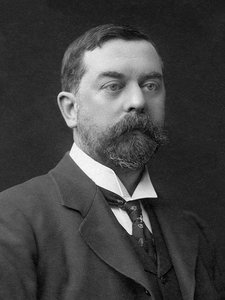
1856 - 1925 , Itália

Discover why black & white photography remains a powerful force in contemporary art. Explore the impact of light, shadow, and texture through a visual journey of monochrome mastery and learn how to elevate your space with timeless grayscale aesthetics.


Fique por dentro das últimas notícias de arte, ofertas exclusivas e ideias de decoração.
Conte-nos sobre o seu projeto e os nossos especialistas em arte fornecerão 3 sugestões de arte personalizadas.
Deixe que selecionamos 3 opções especialmente para você – Grátis!


 Visualizar na parede
 Compartilhar
 Compartilhar
 Detalhes

 Baixar imagem
 Semelhantes
 Raio X
 Slideshow


 Ler mais







 A opção de vidro está disponível apenas para tamanhos inferiores a 110 cm


