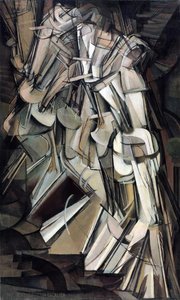
Oil On CanvasWallArtFauvism
 1911Modern
 91.0 x 65.0 cm
Impressão giclée ou em tela de qualidade de museu, com produção rápida e opções flexíveis de acabamento. ( Comprar pintura feita à mão Comprar imagem)





























Escolha entre os nossos tamanhos pré-definidos que respeitam as proporções originais da obra de arte.

Você pode inserir suas próprias dimensões para se ajustar a uma moldura ou espaço específico. Se o tamanho selecionado não corresponder às proporções da imagem original, iremos recortar a obra de arte ou estender a imagem com uma borda espelhada ou preenchimento sólido. Um mockup digital será enviado para sua aprovação antes do início da produção.
Por favor, observe que a visualização na tela não reflete o recorte ou a extensão real. Apenas o mockup mostrará com precisão a composição final.
Embora tamanhos personalizados estejam disponíveis, recomendamos selecionar uma dimensão da lista predefinida para preservar as proporções originais.
Entrega mundial () em 2 semanas, em vez das 4/5 semanas padrão. (12 Agosto)


Baptism
Dimensões da Reprodução
Marcel Duchamp (1887–1968) stands as one of the most influential figures in 20th-century art history, forever altering perceptions of creativity and artistic expression. His journey began in Blainville-Crevon, Normandy, France, where he absorbed the artistic spirit fostered by his family—a tradition that included painters and engravers—and nurtured a boundless imagination.
Initially drawn to Cubism, Duchamp’s early explorations mirrored the stylistic currents of his time. Works like Portrait of Chess Players (1911) demonstrate an acute understanding of fragmented forms and multiple perspectives, reflecting the intellectual fervor of the era. However, he swiftly transcended purely aesthetic considerations, embracing Dadaism and ultimately establishing Conceptual Art as a transformative force.
“Baptism,” created in 1911, exemplifies this multifaceted approach. Painted in oil on canvas and adhering to Fauvist principles—characterized by bold colors and energetic brushstrokes—the artwork transcends mere depiction; it invites contemplation about its symbolic significance.
The composition centers around two women positioned prominently in the foreground, with one seated and the other standing behind her. The subtle gesture of the standing woman—pointing towards something unseen—suggests a dynamic interplay between figures and adds to the overall sense of social interaction. Scattered throughout the background are additional individuals, contributing to an atmosphere of communal celebration.
Beyond its aesthetic vibrancy, “Baptism” reveals Proto-Cubist influences. This transitional phase witnessed artists experimenting with geometric forms and reduced color palettes—a precursor to Cubism’s radical simplification—demonstrating Duchamp's willingness to push artistic boundaries. The painting serves as a bridge between Impressionistic idealism and the geometric precision of Cubism, cementing its place in art history.
“Baptism” continues to resonate with audiences today due to its audacious use of color and form. Its impact extends beyond Duchamp’s oeuvre, influencing subsequent movements like Surrealism and shaping artistic discourse for decades to come. This Fauvist masterpiece stands as a testament to Duchamp's unwavering commitment to innovation—a beacon of creativity that inspires ongoing dialogue about art’s role in society.
The artwork measures 91 x 65 cm and was executed in 1911.
Marcel Duchamp (1887-1968): French-American artist—Cubism, Dada & Conceptual Art pioneer. Revolutionized art with ‘readymades’ like Fountain.
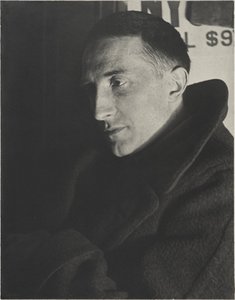
1887 - 1968 , França

Master the complexities of Cubism with our expert guide. Explore the revolutionary techniques of Picasso, from Analytical to Synthetic Cubism, and learn how to curate these powerful, fragmented perspectives for your private collection.


Fique por dentro das últimas notícias de arte, ofertas exclusivas e ideias de decoração.
Conte-nos sobre o seu projeto e os nossos especialistas em arte fornecerão 3 sugestões de arte personalizadas.
Deixe que selecionamos 3 opções especialmente para você – Grátis!


 Visualizar em escala
 Enviar
 Compartilhar
 Ver detalhes

 Baixar
 Semelhantes
 Raio X
 Apresentação de slides
 Ver mais







 A opção de vidro está disponível apenas para tamanhos inferiores a 110 cm