Impressão giclée ou em tela de qualidade de museu, com produção rápida e opções flexíveis de acabamento. ( Encomendar reprodução pintada à mão Comprar imagem em alta resolução)





























Escolha entre os nossos tamanhos pré-definidos que respeitam as proporções originais da obra de arte.

Você pode inserir suas próprias dimensões para se ajustar a uma moldura ou espaço específico. Se o tamanho selecionado não corresponder às proporções da imagem original, iremos recortar a obra de arte ou estender a imagem com uma borda espelhada ou preenchimento sólido. Um mockup digital será enviado para sua aprovação antes do início da produção.
Por favor, observe que a visualização na tela não reflete o recorte ou a extensão real. Apenas o mockup mostrará com precisão a composição final.
Embora tamanhos personalizados estejam disponíveis, recomendamos selecionar uma dimensão da lista predefinida para preservar as proporções originais.
Entrega mundial () em 2 semanas, em vez das 4/5 semanas padrão. (18 Agosto)


Drama Aquático
Dimensões da Reprodução
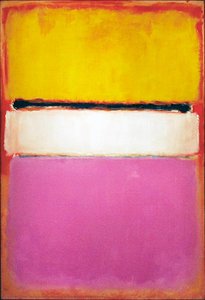
Mark Rothko’s “Aquatic Drama,” painted in 1946 during the height of Abstract Expressionism, isn't merely a visual spectacle; it’s an invitation to contemplate profound questions about existence. This monumental canvas embodies the core tenets of Color Field painting—a movement that prioritized expansive blocks of color over representational imagery—and Rothko achieves this feat with remarkable precision and emotional resonance.
The artwork presents three horizontal rectangles of muted browns, layered upon one another in a manner that defies easy categorization. These rectangles aren’t sharply delineated; instead, they bleed into each other subtly, creating an illusion of depth and movement reminiscent of the ocean depths. The artist eschews traditional brushstrokes, opting for a technique known as “scrubbing,” where pigment is applied thinly and repeatedly to build up texture without visible marks.
Rothko’s deliberate choice of color—primarily shades of brown—is crucial to understanding the painting's significance. Brown represents earthiness, stability, and decay – themes that resonate deeply with Rothko’s preoccupation with mortality and the human condition. These colors aren’t intended to depict a specific scene but rather to evoke feelings of tranquility, melancholy, and contemplation.
The painting’s placement within The Mark Rothko Foundation’s collection underscores its importance as a cornerstone of American modernism. Its enduring appeal lies in its ability to communicate complex ideas through deceptively simple forms—a triumph of artistic vision and technique that continues to inspire artists and collectors alike.

1903 - 1970 , Letónia

Command attention with the high-impact power of Rothko. Discover premium, hand-painted oil reproductions and custom abstract masterpieces at BuyPopArt.com. Elevate your space with bold, museum-grade Color Field art designed for maximum visual impact and modern urban style.

Dive into the high-voltage world of Abstract Expressionism. Explore the raw energy of Action Painting and the legendary masters of the New York School through a visual journey of pure chaos and color. Discover how to bring bold, high-impact abstract art into your modern space.

Dive into the raw power of Abstract Expressionism. Explore the high-octane energy of action painting and color field mastery. Discover how these bold, visceral movements redefine modern interiors with high-impact, premium abstract art for the contemporary collector.

Master the power of Color Field painting. Discover how bold, immersive color transforms modern spaces through this expert guide to one of art's most impactful movements. Elevate your interior design with high-impact, contemporary abstract aesthetics.


Fique por dentro das últimas notícias de arte, ofertas exclusivas e ideias de decoração.
Conte-nos sobre o seu projeto e os nossos especialistas em arte fornecerão 3 sugestões de arte personalizadas.
Deixe que selecionamos 3 opções especialmente para você – Grátis!


 Visualizar em escala
 Enviar
 Compartilhar
 Ver detalhes

 Baixar
 Semelhantes
 Raio X
 Apresentação de slides
 Ver mais







 A opção de vidro está disponível apenas para tamanhos inferiores a 110 cm