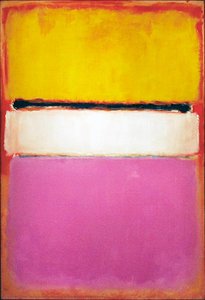
Acrylic On CanvasWallArtColor Field Painting
 1957
1957 193.0 x 233.0 cm
Impressão giclée ou em tela de qualidade de museu, com produção rápida e opções flexíveis de acabamento. ( Encomendar reprodução pintada à mão Comprar imagem em alta resolução)





























Escolha entre os nossos tamanhos pré-definidos que respeitam as proporções originais da obra de arte.

Você pode inserir suas próprias dimensões para se ajustar a uma moldura ou espaço específico. Se o tamanho selecionado não corresponder às proporções da imagem original, iremos recortar a obra de arte ou estender a imagem com uma borda espelhada ou preenchimento sólido. Um mockup digital será enviado para sua aprovação antes do início da produção.
Por favor, observe que a visualização na tela não reflete o recorte ou a extensão real. Apenas o mockup mostrará com precisão a composição final.
Embora tamanhos personalizados estejam disponíveis, recomendamos selecionar uma dimensão da lista predefinida para preservar as proporções originais.
Entrega mundial () em 2 semanas, em vez das 4/5 semanas padrão. (18 Agosto)


No.20
Dimensões da Reprodução
Mark Rothko’s artistic journey was inextricably linked to his formative years, steeped in the anxieties and displacements of early 20th-century Eastern Europe. Born Markus Yakovlevich Rothkowitz in Dvinsk (now Daugavpils), Latvia, in 1903, he carried within him a profound sensitivity shaped by the turbulent atmosphere surrounding his Jewish family during periods of pogroms and political unrest. This early exposure to human suffering would become a recurring theme throughout his oeuvre, informing his exploration of existential questions – mortality, trauma, and the persistent search for meaning in an often-chaotic world. The 1913 immigration to Portland, Oregon, represented not merely a geographical shift but a significant cultural upheaval. His father, a pharmacist and intellectual with strong socialist leanings, fostered a home brimming with debate and learning, yet the untimely death of Jacob Rothkowitz shortly after their arrival cast a long shadow, fueling a lifelong quest for emotional resonance in his art. This early experience of loss, coupled with the challenges inherent in assimilation, served as a catalyst for Rothko’s artistic exploration – a desire to grapple with profound human experiences through color and form.
“No. 20,” created in 1957, stands as a quintessential example of Mark Rothko's mastery within the Color Field movement. Rejecting traditional representational techniques, Rothko embraced a radically simplified approach, focusing on large, luminous rectangles of color applied with thin washes of oil paint. The painting’s surface is remarkably flat, devoid of visible brushstrokes or any illusionistic depth. This deliberate lack of technique – a conscious rejection of the artist's hand – was central to Rothko’s intention: to create works that would evoke an emotional response directly within the viewer, bypassing intellectual analysis. The scale of “No. 20,” measuring 193 x 233 cm, further amplifies this effect, enveloping the observer in a sea of color and inviting contemplation. The subtle variations in hue – ranging from deep reds to darker, almost black tones – are achieved through meticulous layering and blending, creating an atmospheric depth that belies the painting’s apparent simplicity.
The composition of “No. 20” is deceptively straightforward, yet profoundly evocative. The three horizontal bands – a hazy red at the top, a dominant dark band in the center, and a slightly narrower darker strip below – are not merely decorative elements; they represent a carefully considered orchestration of color and form designed to elicit specific emotional responses. Rothko himself described his paintings as “windows on another world,” suggesting that the colors were intended to transport the viewer beyond the confines of their everyday experience. The deep reds, often associated with passion, blood, and spirituality, are tempered by the darker tones, which evoke feelings of melancholy, introspection, and perhaps even a sense of mortality. The overall effect is one of quiet intensity – a meditative space where the viewer can confront fundamental questions about existence without the need for explicit narrative or imagery.
BuyPopArt offers meticulously crafted, hand-painted reproductions of “No. 20” that capture the essence of this iconic work while retaining its remarkable luminosity and depth. Unlike digital prints, our reproductions utilize traditional oil painting techniques, faithfully recreating the subtle nuances of Rothko’s color palette and surface texture. Whether you're seeking to add a touch of contemplative serenity to your living room or a bold statement piece for a corporate space, a BuyPopArt reproduction of “No. 20” provides an authentic connection to one of the most influential artists of the 20th century. Explore our collection today and discover how Rothko’s profound vision can enrich your environment.
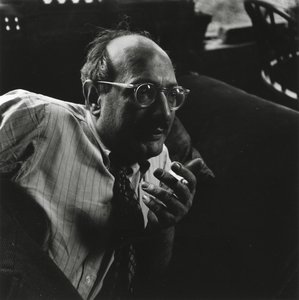
1903 - 1970 , Letónia

Master the high-impact world of contemporary abstraction. Discover how bold colors, textures, and modern movements like Abstract Expressionism can transform your space with premium, high-energy art curated for the design-conscious professional.

Master the power of Color Field painting. Discover how bold, immersive color transforms modern spaces through this expert guide to one of art's most impactful movements. Elevate your interior design with high-impact, contemporary abstract aesthetics.


Fique por dentro das últimas notícias de arte, ofertas exclusivas e ideias de decoração.
Conte-nos sobre o seu projeto e os nossos especialistas em arte fornecerão 3 sugestões de arte personalizadas.
Deixe que selecionamos 3 opções especialmente para você – Grátis!


 Visualizar em escala
 Enviar
 Compartilhar
 Ver detalhes

 Baixar
 Semelhantes
 Raio X
 Apresentação de slides
 Ver mais







 A opção de vidro está disponível apenas para tamanhos inferiores a 110 cm