Impressão giclée ou em tela de qualidade de museu, com produção rápida e opções flexíveis de acabamento. ( Encomendar reprodução pintada à mão Comprar imagem em alta resolução)





























Escolha entre os nossos tamanhos pré-definidos que respeitam as proporções originais da obra de arte.

Você pode inserir suas próprias dimensões para se ajustar a uma moldura ou espaço específico. Se o tamanho selecionado não corresponder às proporções da imagem original, iremos recortar a obra de arte ou estender a imagem com uma borda espelhada ou preenchimento sólido. Um mockup digital será enviado para sua aprovação antes do início da produção.
Por favor, observe que a visualização na tela não reflete o recorte ou a extensão real. Apenas o mockup mostrará com precisão a composição final.
Embora tamanhos personalizados estejam disponíveis, recomendamos selecionar uma dimensão da lista predefinida para preservar as proporções originais.
Entrega mundial () em 2 semanas, em vez das 4/5 semanas padrão. (16 Agosto)


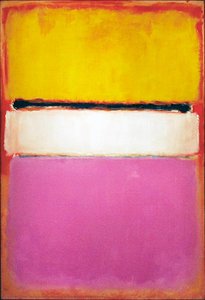
Untitled 92
Dimensões da Reprodução
Mark Rothko's Untitled 92 is not simply a painting; it’s an invitation into a deeply personal and profoundly moving emotional landscape. Created sometime between 1949 and 1970 – the peak of his mature style – this work exemplifies Rothko’s revolutionary approach to color field painting, an artistic movement that sought to bypass representational imagery altogether in favor of directly communicating feeling through abstract means. The canvas breathes with a luminous intensity, dominated by variations of pink, subtly interwoven with hints of yellow, orange and red. These aren't colors applied as descriptive elements, but rather as veils, layered upon one another to create an atmosphere of contemplative weight.
To understand Untitled 92, we must consider the historical context in which it emerged. Following the devastation of World War II, many artists felt that traditional modes of representation were inadequate to express the anxieties and existential questioning of the era. Rothko, a Latvian immigrant who experienced firsthand the displacement and trauma of the early 20th century, sought a new visual language capable of conveying universal human emotions. He moved away from figuration, gradually simplifying his compositions until they reached this iconic state: large rectangular blocks of color floating against softly blurred backgrounds. This wasn’t about depicting *something*; it was about creating an *experience*. The scale of Rothko's canvases is crucial; they are intended to envelop the viewer, immersing them in a field of pure sensation.
Rothko’s technique was deceptively simple. He applied thin washes of oil paint onto unprimed canvas, allowing the pigment to soak into the fabric and create a luminous, almost ethereal quality. The edges of his color blocks are not sharply defined but rather softly blurred, creating a sense of vibration and movement. Close examination reveals subtle variations in texture – areas where the paint is thicker, others where it’s nearly transparent. This delicate balance between control and chance contributes to the painting's emotional resonance. He wasn’t interested in demonstrating painterly skill; his goal was to create an atmosphere that would evoke a visceral response in the viewer. The layering of colors isn’t haphazard but carefully considered, with darker tones often placed beneath lighter ones to create depth and luminosity.
Rothko resisted any attempts to interpret his work literally. He believed that the meaning resided not in what the paintings *depicted* but in how they *felt*. He famously stated he wasn’t interested in color or form as ends in themselves, but rather as vehicles for expressing “basic human emotions—tragedy, ecstasy, doom.” Untitled 92 invites us to confront these fundamental aspects of the human condition. The pink hues, while seemingly gentle, carry a weight of melancholy and longing. The painting doesn’t offer answers; it poses questions about existence, mortality, and the search for meaning in a chaotic world. It is this ambiguity, this openness to interpretation, that makes Rothko's work so enduringly powerful. To stand before Untitled 92 is to embark on an inward journey, a silent dialogue with one’s own emotions.
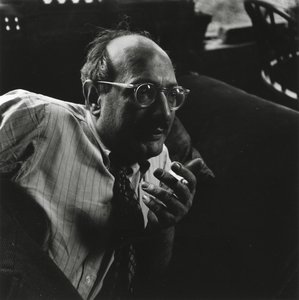
1903 - 1970 , Letónia

Dive into the high-voltage world of Abstract Expressionism. Explore the raw energy of Action Painting and the legendary masters of the New York School through a visual journey of pure chaos and color. Discover how to bring bold, high-impact abstract art into your modern space.

Master the power of Color Field painting. Discover how bold, immersive color transforms modern spaces through this expert guide to one of art's most impactful movements. Elevate your interior design with high-impact, contemporary abstract aesthetics.

Dive into the raw power of Abstract Expressionism. Explore the high-octane energy of action painting and color field mastery. Discover how these bold, visceral movements redefine modern interiors with high-impact, premium abstract art for the contemporary collector.


Fique por dentro das últimas notícias de arte, ofertas exclusivas e ideias de decoração.
Conte-nos sobre o seu projeto e os nossos especialistas em arte fornecerão 3 sugestões de arte personalizadas.
Deixe que selecionamos 3 opções especialmente para você – Grátis!


 Visualizar em escala
 Enviar
 Compartilhar
 Ver detalhes

 Baixar
 Semelhantes
 Raio X
 Apresentação de slides

 Ver mais







 A opção de vidro está disponível apenas para tamanhos inferiores a 110 cm