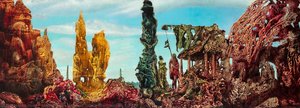
Impressão giclée ou em tela de qualidade de museu, com produção rápida e opções flexíveis de acabamento. ( Alternar para pintura feita à mão Baixar imagem em alta resolução)





























Escolha entre os nossos tamanhos pré-definidos que respeitam as proporções originais da obra de arte.

Você pode inserir suas próprias dimensões para se ajustar a uma moldura ou espaço específico. Se o tamanho selecionado não corresponder às proporções da imagem original, iremos recortar a obra de arte ou estender a imagem com uma borda espelhada ou preenchimento sólido. Um mockup digital será enviado para sua aprovação antes do início da produção.
Por favor, observe que a visualização na tela não reflete o recorte ou a extensão real. Apenas o mockup mostrará com precisão a composição final.
Embora tamanhos personalizados estejam disponíveis, recomendamos selecionar uma dimensão da lista predefinida para preservar as proporções originais.
Entrega mundial () em 2 semanas, em vez das 4/5 semanas padrão. (10 Agosto)


Untitled 2
Dimensões da Reprodução
Max Ernst's "Untitled 2," a hauntingly evocative oil painting, presents a disconcerting tableau – a monstrous figure dominated by a colossal heart. Born in Brühl, Germany, in 1891, Ernst was a restless innovator, perpetually pushing the boundaries of artistic expression and challenging conventional notions of beauty and representation. His journey into art wasn’t one of formal training but rather a deeply personal exploration rooted in philosophy, psychology, and a profound skepticism towards established norms. This intellectual foundation is strikingly evident in this work, which speaks to anxieties about identity, vulnerability, and the unsettling nature of the subconscious – themes central to Ernst's broader Surrealist oeuvre.
The painting’s immediate impact lies in its arresting visual language. The creature itself—a dark, almost amorphous mass—possesses an unnerving presence. Its two eyes, seemingly fixed upon the viewer, create a direct and unsettling connection, amplifying the sense of being observed within a disturbing dreamscape. The stark contrast between the black and red palette – the deep shadows of the monster against the vibrant crimson heart – immediately establishes a dramatic tension. Ernst masterfully employs oil paint to achieve this effect, layering textures and manipulating color to create an atmosphere thick with unease.
Ernst’s artistic process was characterized by experimentation and a deliberate rejection of traditional techniques. He developed groundbreaking methods like “frottage” – rubbing pencil over textured surfaces to generate unexpected images – and “grattage,” scraping paint from the canvas to reveal hidden layers and imprints. These techniques, born out of a desire to bypass conscious control and tap into the realm of the unconscious, are powerfully evident in "Untitled 2." The creature’s form seems almost organically grown, as if emerging directly from the textured surface of the canvas itself. The heart, rendered with bold strokes and a vibrant hue, isn't merely decorative; it’s a focal point that dominates the composition, suggesting both vulnerability and perhaps even a desperate plea for connection.
Furthermore, Ernst’s background in psychology profoundly influenced his work. He was fascinated by Freudian concepts of the subconscious and sought to translate these psychological landscapes onto canvas. “Untitled 2” can be interpreted as a visual representation of internal conflict – the monster embodying repressed fears or anxieties, while the heart symbolizes the longing for love, acceptance, or perhaps even self-compassion. The painting’s ambiguity invites multiple interpretations, reflecting the complex and often contradictory nature of human experience.
The symbolism within “Untitled 2” is rich and layered. The monster itself represents a primal force—a manifestation of instinct, fear, or perhaps even societal anxieties. Its lack of discernible features contributes to its unsettling quality, suggesting that it embodies something beyond rational understanding. Crucially, the heart positioned prominently on its face immediately shifts the narrative. It’s not simply a symbol of romantic love; rather, it suggests an inherent vulnerability and a desperate need for recognition. The placement is almost defiant—a beacon of emotion amidst the darkness.
Considering Ernst's broader artistic context within Dadaism and Surrealism, "Untitled 2" aligns with the movement’s exploration of irrationality, dream imagery, and the subconscious mind. It shares affinities with artists like Salvador Dalí and René Magritte, though Ernst’s approach is characterized by a more restrained emotional intensity and a greater emphasis on textural experimentation. The painting's enduring power lies in its ability to evoke a visceral response—a feeling of unease, curiosity, and ultimately, a poignant reflection on the complexities of human existence.
BuyPopArt offers meticulously crafted hand-painted reproductions of Max Ernst’s "Untitled 2," allowing you to experience this iconic work in stunning detail. Our artists replicate Ernst's unique techniques and color palette with the utmost precision, ensuring that your reproduction captures the painting’s original atmosphere and emotional impact. Whether displayed as a striking centerpiece in a contemporary space or incorporated into a collection of Surrealist art, this reproduction provides an authentic connection to one of the 20th century’s most visionary artists. Explore our high-resolution images and select the size that best complements your vision – bringing the unsettling beauty of “Untitled 2” into your home.
Max Ernst, nascido Maximilian Maria Ernst em 1º de abril de 1891, em Brühl, Alemanha, foi um espírito inquieto destinado a se tornar uma das figuras mais cruciais do século XX na arte. Sua jornada não foi de treinamento artístico convencional; ao invés disso, foi uma exploração autoguiada, impulsionada por questionamentos filosóficos, fascínio psicológico e uma profunda desilusão com as normas sociais. Seu pai, professor surdo e pintor amador, lhe transmitiu tanto sensibilidade para o mundo quanto uma rebeldia contra a autoridade estabelecida. Essa dualidade precoce se tornaria uma característica definidora de sua visão artística.
Os estudos acadêmicos de Ernst na Universidade de Bonn – abrangendo filosofia, história da arte, literatura, psicologia e psiquiatria – não foram meras distrações, mas elementos fundamentais que informaram profundamente seu trabalho posterior. Ele não estava simplesmente interessado em *como* pintar; ele estava se questionando *por que*. Essa curiosidade intelectual o levou a encontrar as obras inovadoras de Picasso, Van Gogh e Gauguin na exposição Sonderbund em Colónia em 1912, um momento que alterou irreversivelmente sua trajetória artística. As sementes do modernismo haviam sido plantadas.
A catástrofe da Primeira Guerra Mundial se mostrou um ponto de inflexão para Ernst. Suas experiências como soldado em ambos os fronts, oriental e ocidental, o deixaram profundamente abalado, fomentando um ceticismo profundo em relação à ordem estabelecida e uma ânsia por novas formas de expressão. Essa desilusão encontrou terreno fértil no movimento Dada, que ele abraçou com entusiasmo após retornar a Colónia em 1918. Ao lado de Hans Arp – um amigo e colaborador de longa data –, Ernst se tornou uma figura central no grupo Dada de Colónia, rejeitando as convenções artísticas tradicionais e abraçando o absurdo, o acaso e a anti-racionalidade.
No entanto, Dada foi apenas um trampolim. Nos primeiros anos dos anos 1920, Ernst migrou para Paris e juntou-se ao Círculo Surrealista, liderado por André Breton. Isso marcou uma mudança em direção à exploração do reino dos sonhos, da mente inconsciente e do irracional. Influenciado pelas teorias psicanalíticas de Sigmund Freud, Ernst buscou desbloquear as profundezas ocultas da experiência humana através de sua arte. Ele não estava interessado em representar a realidade como ela aparecia, mas sim em revelar as forças psicológicas subjacentes que a moldavam.
A inovação artística de Ernst se estendeu além do assunto; ele era um experimentador incansável com técnicas. Ele não simplesmente adotou métodos existentes—ele inventou novos. Talvez sua contribuição mais famosa seja o frottage, um processo de esfregar lápis ou carvão sobre superfícies texturizadas para criar imagens inesperadas e evocativas. Essa técnica, nascida de um momento de tédio ao observar a textura da madeira, permitiu que Ernst acessasse o inconsciente e gerasse formas que desafiavam o controle consciente. Relacionada intimamente estava o grattage, onde a tinta é raspada sobre a tela, revelando camadas subjacentes.
Ele também empregou magistralmente a colagem, montando elementos díspares – imagens de revistas, ilustrações científicas, fotografias – em composições surreais que desafiaram as noções convencionais de representação. Essas técnicas não eram meras escolhas estilísticas; elas eram integrais à sua exploração do inconsciente e ao seu desejo de perturbar os limites artísticos tradicionais. Suas pinturas frequentemente apresentam imagens simbólicas recorrentes: pássaros (particularmente seu alter ego Loplop), paisagens desoladas, combinações perturbadoras e uma sensação persistente de mistério.
O início da Segunda Guerra Mundial forçou Ernst a fugir da Europa, encontrando refúgio nos Estados Unidos. Ele continuou a pintar e experimentar novas técnicas ao longo de seu exílio, eventualmente retornando à França após a guerra onde permaneceu ativo até sua morte em 1º de abril de 1976, em Paris. Sua influência nas gerações posteriores de artistas é imensurável.
As contribuições de Ernst para o Dada e o Surrealismo foram nada menos que inovadoras. Ele desafiou as normas artísticas, mergulhou nas profundezas da mente inconsciente e inventou técnicas que continuam a inspirar artistas hoje. Ele não era apenas um pintor; ele era um explorador, um provocador e um visionário que expandiu os limites da arte em si.
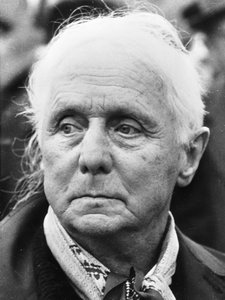
1891 - 1976 , Alemanha

Explore the revolutionary Dada art movement! Discover its origins, key artists like Duchamp & Arp, and lasting impact on modern art. A deep dive into anti-art & challenging conventions.

Explore the captivating world of Ernst Fuchs & the Vienna School of Fantastic Realism. Discover his unique 'mischtechnik', iconic symbolism, and lasting influence on visionary art. Expert insights for collectors.
Descubra as 25 obras-primas de Max Ernst, o mestre do surrealismo! Explore a história por trás da arte inovadora, frottage e paisagens oníricas. Encontre reproduções de alta qualidade para decorar com estilo em BuyPopArt.com.

Mergulhe no universo onírico do Surrealismo! Explore 10 obras-primas de Dalí, Magritte e outros artistas icônicos. Descubra a história, técnica e emoção por trás dessas pinturas revolucionárias. Encontre reproduções de arte exclusivas em BuyPopArt.com.

Explore the profound artistic responses to World War I's trauma & hope. Discover Expressionist masterpieces by Bacon, de Kooning & more. Expert insights for collectors & art enthusiasts at BuyPopArt.


Fique por dentro das últimas notícias de arte, ofertas exclusivas e ideias de decoração.
Conte-nos sobre o seu projeto e os nossos especialistas em arte fornecerão 3 sugestões de arte personalizadas.
Deixe que selecionamos 3 opções especialmente para você – Grátis!


 Visualizar em escala
 Enviar
 Compartilhar
 Ver detalhes

 Baixar
 Semelhantes
 Raio X
 Apresentação de slides

 Ver mais







 A opção de vidro está disponível apenas para tamanhos inferiores a 110 cm