
 Oil On CanvasWallArtBaroque Neoclassicism
 1634High Medieval
 1898.0 x 1575.0 cm
 Toledo Museum of Art
Impressão giclée ou em tela de qualidade de museu, com produção rápida e opções flexíveis de acabamento. ( Encomendar reprodução pintada à mão Comprar imagem em alta resolução)





























Escolha entre os nossos tamanhos pré-definidos que respeitam as proporções originais da obra de arte.

Você pode inserir suas próprias dimensões para se ajustar a uma moldura ou espaço específico. Se o tamanho selecionado não corresponder às proporções da imagem original, iremos recortar a obra de arte ou estender a imagem com uma borda espelhada ou preenchimento sólido. Um mockup digital será enviado para sua aprovação antes do início da produção.
Por favor, observe que a visualização na tela não reflete o recorte ou a extensão real. Apenas o mockup mostrará com precisão a composição final.
Embora tamanhos personalizados estejam disponíveis, recomendamos selecionar uma dimensão da lista predefinida para preservar as proporções originais.
Entrega mundial () em 2 semanas, em vez das 4/5 semanas padrão. (21 Agosto)


Mars and Venus
Dimensões da Reprodução
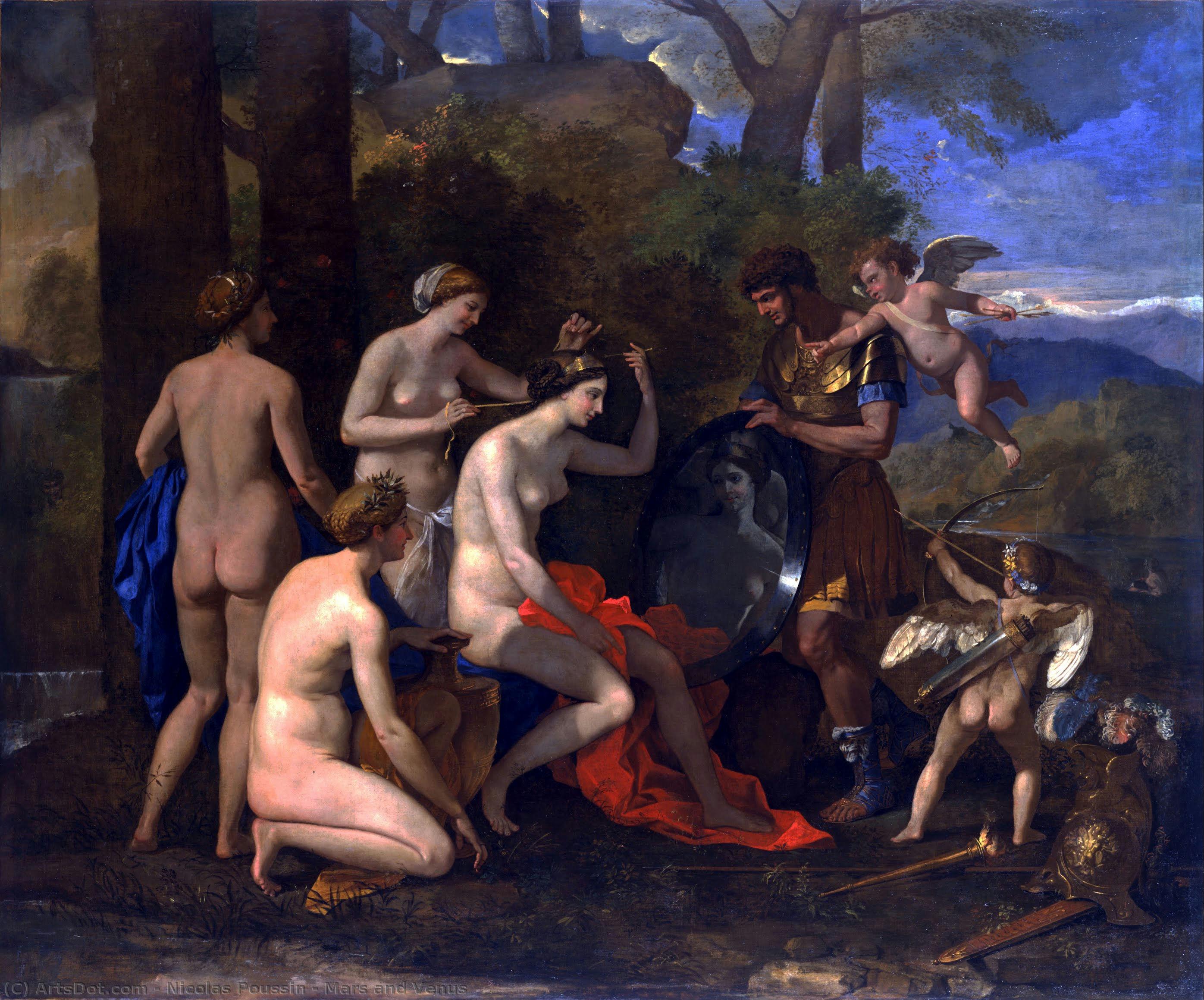
Nicolas Poussin's "Mars and Venus," completed in 1634, isn’t merely a painting; it’s an invitation into a realm of classical mythology rendered with breathtaking serenity and intellectual depth. Now residing within the Toledo Museum of Art, this oil on canvas masterpiece transcends its historical context to resonate powerfully with viewers today. The scene unfolds within a meticulously crafted forest setting – a deliberate choice by Poussin that immediately establishes a sense of timelessness and quiet contemplation. The composition is remarkably balanced, drawing the eye towards the central figures of Mars, the god of war, and Venus, goddess of love, who are not engaged in a violent confrontation as one might expect, but rather exist in a state of almost languid grace.
Poussin’s genius lies not just in his technical skill, but in his profound understanding and deployment of symbolism. The pairing of Mars and Venus is itself laden with meaning – a potent representation of the eternal struggle between opposing forces: war and love, aggression and harmony. Yet, Poussin subtly subverts this traditional dichotomy. Venus isn’t depicted as a passive object of desire; she holds dominion over the scene, radiating an aura of serene power. Mars, while still embodying his warrior identity, is shown relinquishing his weapons – a sword, spear, and helmet are scattered on the ground, suggesting that love possesses the capacity to conquer even the most formidable adversary. The presence of several nude women, some interpreted as angels or goddesses, further amplifies this theme of divine influence and the transformative power of beauty.
Poussin’s technical prowess is immediately evident in the painting's luminous quality. He expertly employs oil on canvas to create a depth of color and texture that feels remarkably tactile. The use of *chiaroscuro* – the dramatic interplay of light and shadow – sculpts the figures, lending them an almost sculptural presence. Notice how Poussin masterfully utilizes atmospheric perspective; distant trees fade into a hazy blue, creating a sense of vastness and reinforcing the painting’s timeless setting. The brushwork itself is remarkably controlled, conveying both movement and stillness simultaneously. This meticulous attention to detail reflects Poussin's deep admiration for classical antiquity, particularly the idealized forms and balanced compositions found in Roman sculpture. He consciously emulated the restraint and clarity of artists like Raphael and Michelangelo, adapting their principles to his own unique vision.
“Mars and Venus” stands as a pivotal work within Poussin’s oeuvre and a cornerstone of Neoclassical art. It exemplifies his ability to distill complex mythological narratives into visually harmonious compositions, prioritizing intellectual clarity and emotional resonance over dramatic spectacle. His interest in classical themes—as evidenced by works like “The Triumph of Neptune” (a detail of which can be found at the Philadelphia Museum of Art) and "Selene and Endymion" (located at the Institute of Arts in Detroit)—established a new standard for artistic representation, influencing generations of artists to come. Today, reproductions of this iconic painting offer a remarkable opportunity to experience Poussin’s genius firsthand, bringing a touch of timeless beauty and profound contemplation into any space. BuyPopArt offers meticulously crafted hand-painted reproductions that faithfully capture the essence of this extraordinary masterpiece.
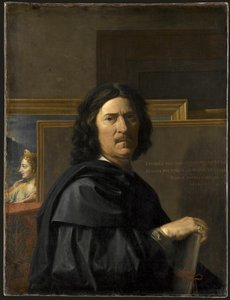
1594 - 1665 , França

Explore the life & work of Nicolas Poussin, a master of French Classicism. Discover his allegorical paintings, Roman influences, and enduring impact on art history. Expert analysis & insights.

Explore the captivating world of Baroque Classicism! Discover its history, key artists like Caravaggio & Rubens, and defining characteristics. Expert insights & high-quality reproductions at BuyPopArt.

Explore the captivating history of mythological narratives in Western art! From ancient Greece to modern masterpieces, discover iconic artworks & symbolism. Expert analysis and high-quality reproductions at BuyPopArt.

Explore the enduring legacy of Classicism in Western art! Discover its historical context, key principles, iconic masterpieces & lasting influence. Learn about Renaissance and Neoclassical movements with BuyPopArt.

Descubra como o Barroco brasileiro pode transformar seus interiores! Explore a história, elementos-chave e dicas para integrar este estilo luxuoso e cheio de emoção em sua casa.


Fique por dentro das últimas notícias de arte, ofertas exclusivas e ideias de decoração.
Conte-nos sobre o seu projeto e os nossos especialistas em arte fornecerão 3 sugestões de arte personalizadas.
Deixe que selecionamos 3 opções especialmente para você – Grátis!


 Visualizar em escala
 Enviar
 Compartilhar
 Ver detalhes

 Baixar
 Semelhantes
 Raio X
 Apresentação de slides
 Ver mais







 A opção de vidro está disponível apenas para tamanhos inferiores a 110 cm


