

Impressão giclée ou em tela de qualidade de museu, com produção rápida e opções flexíveis de acabamento. ( Comprar pintura feita à mão Comprar imagem)





























Escolha entre os nossos tamanhos pré-definidos que respeitam as proporções originais da obra de arte.

Você pode inserir suas próprias dimensões para se ajustar a uma moldura ou espaço específico. Se o tamanho selecionado não corresponder às proporções da imagem original, iremos recortar a obra de arte ou estender a imagem com uma borda espelhada ou preenchimento sólido. Um mockup digital será enviado para sua aprovação antes do início da produção.
Por favor, observe que a visualização na tela não reflete o recorte ou a extensão real. Apenas o mockup mostrará com precisão a composição final.
Embora tamanhos personalizados estejam disponíveis, recomendamos selecionar uma dimensão da lista predefinida para preservar as proporções originais.
Entrega mundial () em 2 semanas, em vez das 4/5 semanas padrão. (24 Agosto)


Sirens Eggs
Tamanho da Reprodução
Paul Klee, born in Münchenbuchsee, Switzerland, in 1879, stands as a singular figure within the vibrant tapestry of twentieth-century art. His artistic trajectory wasn't merely about depicting the visual world; it was about distilling its essence into a language of simplified forms and evocative color—a pursuit that cemented his legacy as one of the most influential artists of his time.
The Tunisian Journey: Klee’s sojourn in Tunisia during World War I proved transformative, triggering an intense fascination with color—a preoccupation that would become central to his evolving artistic style. This immersion in vibrant hues fueled experimentation and ultimately propelled him toward a bolder visual vocabulary.
From 1921 to 1931, Klee taught at Bauhaus, where he championed the principles of functional art and geometric abstraction. Subsequently, his role as instructor at Düsseldorf’s art academy solidified his commitment to artistic innovation. However, it was after 1931 that Klee truly unleashed his creative potential, adopting a distinctive approach characterized by large color grids—a technique born from a desire to capture the rhythm and harmony of visual experience.
The title ‘Sirens Eggs,’ derived from Greek mythology, immediately establishes a connection to ancient narratives concerning alluring sea creatures who lured sailors astray with irresistible voices. This allusion speaks to themes of temptation, danger, and hidden beauty—concepts that permeate the artwork’s visual language.
The composition itself is deliberately understated, dominated by muted blues contrasted against expansive orange and yellow fields. Two prominent circular shapes at the top evoke celestial bodies, reinforcing a sense of serenity and hinting at an otherworldly dimension. Lines are used sparingly but effectively to delineate forms and contribute to the overall visual rhythm.
‘Sirens Eggs’ embodies Klee's profound artistic vision—a testament to his ability to transform observation into emotive expression. The artwork transcends mere representation, inviting viewers into a contemplative space where color, form, and line converge to communicate an unspoken sentiment. It stands as a poignant reminder of Klee’s unwavering dedication to exploring the expressive potential of abstraction while simultaneously honoring the traditions of folk art.
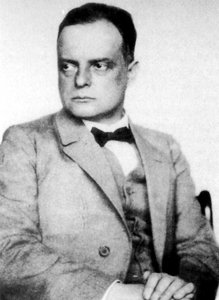
1879 - 1940 , Suíça

Discover the power of Neo-Abstract art. Explore how bold geometric forms and high-impact visual energy are redefining modern design. Learn to curate sophisticated, high-energy spaces with the latest trends in contemporary abstraction and structural color.

Discover the high-impact world of Geometric Abstraction. From Cubist roots to modern urban trends, explore how bold shapes and colors redefine contemporary design. Elevate your space with expert art insights and custom-made abstract masterpieces.

Master the high-impact world of contemporary abstraction. Discover how bold colors, textures, and modern movements like Abstract Expressionism can transform your space with premium, high-energy art curated for the design-conscious professional.

Dive into the high-energy world of Lyrical Abstraction. Explore how bold colors, fluid motion, and emotional depth define this modern masterpiece movement. Discover iconic artists and learn to bring this vibrant, soulful energy into your contemporary space.


Fique por dentro das últimas notícias de arte, ofertas exclusivas e ideias de decoração.
Conte-nos sobre o seu projeto e os nossos especialistas em arte fornecerão 3 sugestões de arte personalizadas.
Deixe que selecionamos 3 opções especialmente para você – Grátis!


 Visualizar na parede
 Compartilhar
 Compartilhar
 Detalhes

 Baixar imagem
 Semelhantes
 Raio X
 Slideshow


 Ler mais







 A opção de vidro está disponível apenas para tamanhos inferiores a 110 cm


