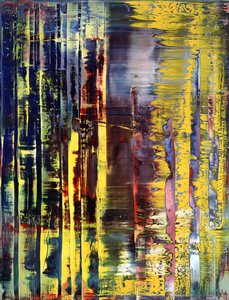
Acrílico sobre telaArte de ParedeGeometric Expressionism
 1929
1929 182.0 x 192.0 cm
 National Gallery of Modern Art
Impressão giclée ou em tela de qualidade de museu, com produção rápida e opções flexíveis de acabamento. ( Encomendar reprodução pintada à mão Comprar imagem em alta resolução)





























Escolha entre os nossos tamanhos pré-definidos que respeitam as proporções originais da obra de arte.

Você pode inserir suas próprias dimensões para se ajustar a uma moldura ou espaço específico. Se o tamanho selecionado não corresponder às proporções da imagem original, iremos recortar a obra de arte ou estender a imagem com uma borda espelhada ou preenchimento sólido. Um mockup digital será enviado para sua aprovação antes do início da produção.
Por favor, observe que a visualização na tela não reflete o recorte ou a extensão real. Apenas o mockup mostrará com precisão a composição final.
Embora tamanhos personalizados estejam disponíveis, recomendamos selecionar uma dimensão da lista predefinida para preservar as proporções originais.
Entrega mundial () em 2 semanas, em vez das 4/5 semanas padrão. (17 Agosto)


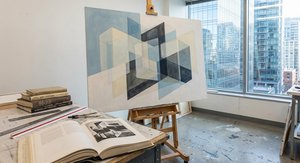
Estudo Geométrico
Dimensões da Reprodução
Rabindranath Tagore, born May 7, 1861, in Kolkata, stands as an unparalleled figure in Bengali literature and culture—a testament to the transformative power of artistic vision. More than just a poet laureate, he was a multifaceted genius who profoundly impacted Indian art with his innovative approach to modernism, blending traditional aesthetics with contemporary sensibilities. His influence continues to resonate across disciplines and cultures today, marking him as a true polymath whose creative reach extended far beyond the written word.
Tagore’s upbringing within an intellectually stimulating family nurtured his innate artistic inclinations. His father, Debendranath Tagore, was a philosopher deeply connected to Abanindranath Tagore—who would later become a celebrated Indian artist and the founder of the Bengal School of May Art. This environment, rich in creative pursuits, provided Rabindranath with a foundation where music, literature, and visual expression were inextricably linked. From childhood, he demonstrated a remarkable aptitude for writing poetry, immersing himself in the literary traditions of Bengal while simultaneously exploring musical compositions. This dual engagement foreshadowed his artistic trajectory, establishing him as an artist who would eventually transcend conventional boundaries.
Tagore’s involvement with the movement surrounding the Bengal School of Art proved pivotal to shaping his unique visual style. This era championed a distinctive aesthetic known as contextual modernism, which sought to revitalize Indian art through a dialogue with Western influences without abandoning its core spiritual and cultural heritage. Tagore embraced this spirit of experimentation wholeheartedly. While he is globally renowned for his literary mastery, his foray into the visual arts revealed a deeply intuitive and spontaneous creator.
In his paintings, Tagore skillfully incorporated elements of European Impressionism and Symbolism, creating works imbued with evocative imagery and emotional depth. His technique often bypassed rigid academic structures in favor of something more primal and expressive. He utilized fluid lines and organic forms to capture the essence of his subjects, ranging from the spiritual atmosphere of Santiniketan to the rhythmic energy of a Dancing Woman. His work often featured intricate details, such as the poetic use of oriental script seen in masterpieces like Geetāshtak, where lush backgrounds meet calligraphic elegance, inviting viewers into a meditative state.
The significance of Rabindranath Tagore lies not only in his individual achievements but in his role as a bridge between eras and civilizations. As a Nobel Laureate, he brought the profound spiritual and humanistic themes of Indian thought to the global stage through works like Gitanjali. His artistic legacy is characterized by several key pillars:
Today, the works of Tagore serve as a vital touchstone for anyone seeking to understand the evolution of Indian modernism. His ability to weave together the spiritual essence of his homeland with a forward-looking, global perspective ensures that his name remains synonymous with the very heart of creative revolution.

1861 - 1941 , India

Descubra as 10 obras-primas da Abstração Geométrica que revolucionaram a arte moderna! Explore Kandinsky, Mondrian e outros artistas icônicos. Encontre reproduções de alta qualidade para decorar sua casa com BuyPopArt.com.
Descubra as 10 obras-primas do Expressionismo Abstrato com Jackson Pollock, Mark Rothko e mais! Explore a história, técnica e emoção por trás de cada pintura. Encontre reproduções de arte exclusivas para decorar sua casa em BuyPopArt.com.
Descubra as 25 obras-primas de Wassily Kandinsky, pioneiro da arte abstrata! Explore a história, cores e significado por trás de cada pintura. Encontre reproduções de alta qualidade e inspire sua decoração em BuyPopArt.com.
Explore the evolution of geometric abstraction from Cubism to contemporary art. Discover key artists like Malevich & Mondrian, investment insights, and expert collecting advice at BuyPopArt.
Explore the captivating world of geometric abstraction! Discover its origins, key artists like Malevich & Mondrian, and why this movement remains highly valued by art collectors today. Expert insights at BuyPopArt.


Fique por dentro das últimas notícias de arte, ofertas exclusivas e ideias de decoração.
Conte-nos sobre o seu projeto e os nossos especialistas em arte fornecerão 3 sugestões de arte personalizadas.
Deixe que selecionamos 3 opções especialmente para você – Grátis!


 Visualizar em escala
 Enviar
 Compartilhar
 Ver detalhes

 Baixar
 Semelhantes
 Raio X
 Apresentação de slides
 Ver mais







 A opção de vidro está disponível apenas para tamanhos inferiores a 110 cm