Óleo sobre tela pintado à mão no seu tamanho e moldura, feito sob encomenda pelos nossos artistas. ( Encomendar impressão Comprar imagem em alta resolução)





























Escolha entre os nossos tamanhos pré-definidos que respeitam as proporções originais da obra de arte.

Pode inserir as suas próprias dimensões para se adequar a uma moldura ou espaço específico. Se o tamanho selecionado não corresponder às proporções da imagem original, iremos cortar a obra de arte ou estender a pintura com elementos adicionais pintados à mão. Um esboço digital será enviado para sua aprovação antes do início da produção.
Tenha em atenção que a pré-visualização no ecrã não reflete o corte ou extensão real. Apenas o esboço mostrará com precisão a composição final.
Embora tamanhos personalizados estejam disponíveis, recomendamos selecionar uma dimensão da lista predefinida para preservar as proporções originais.
Entrega mundial () em 3 a 4 semanas, em vez das 5 semanas padrão. (17 Agosto). Sem comprometer a qualidade.


Reflections Untitled (1988)
Dimensões da Reprodução
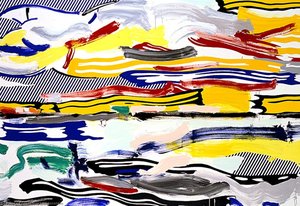
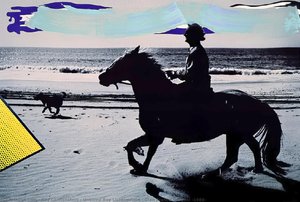
In his 1988 masterpiece, Reflections Untitled, Roy Lichtenstein invites the viewer into a world where the boundaries between natural beauty and graphic precision dissolve. The painting presents a breathtakingly serene beach scene, bathed in the radiant, optimistic glow of a golden yellow sky. This luminous atmosphere sets the stage for a landscape that feels both intimately familiar and strikingly otherworldly. Lush, stylized trees punctuate the horizon, providing a structural depth that frames a tranquil expanse of deep blue water. Upon this liquid mirror, soft, fluffy white clouds drift lazily, while a solitary boat rests gently upon the surface, acting as a silent anchor for the composition. It is a snapshot of coastal calm, capturing a moment of stillness that feels suspended in time.
The brilliance of this work lies in Lichtenstein’s masterful command of the Pop Art aesthetic. Moving far beyond mere representation, he employs his signature Ben-Day printing technique to create a visual language that mimics the mechanical texture of mass media and comic strips. Through the meticulous application of halftone patterns and bold color gradations, the artist achieves a striking clarity. The simplicity of the forms—the flattened sky, the geometric trees, and the iconic silhouette of the boat—serves as a deliberate departure from traditional realism. Instead, Lichtenstein embraces a graphic strength that celebrates the power of simplified shapes and high-contrast palettes, making the piece an extraordinary specimen of late 20th-century modernism.
Created during a period of significant artistic evolution following the dominance of Abstract Expressionism, Reflections Untitled stands as a testament to Lichtenstein’s ability to bridge the gap between high art and popular culture. By the late 1980s, his work had become a profound commentary on how mass media shapes our perception of reality. The painting does not merely depict a landscape; it interrogates the very way we consume images of nature through the lens of consumerist aesthetics. The vibrant yellow hues do more than provide light; they symbolize an enduring energy and optimism, which stands in beautiful, rhythmic contrast to the calming, meditative blues of the ocean.
For the discerning collector or interior designer, this artwork offers much more than a decorative element; it provides a focal point of intellectual and emotional engagement. The piece evokes a profound sense of nostalgia, reminiscent of carefree summer days and the timeless allure of the seaside, yet its bold, contemporary execution ensures it remains strikingly modern. Whether placed in a sophisticated gallery setting or as a centerpiece in a curated residential space, Reflections Untitled radiates a captivating energy. It is an invitation to contemplate the beauty of the natural world through a lens of structured, graphic elegance, making it an essential acquisition for those who appreciate art that is both visually arresting and deeply thought-provoking.


1923 - 1997 , Estados Unidos da América
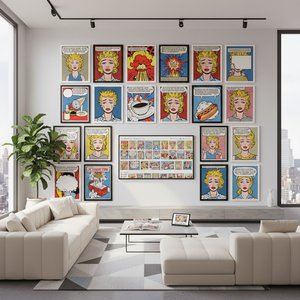
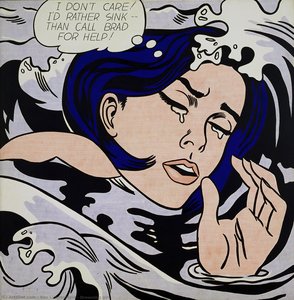
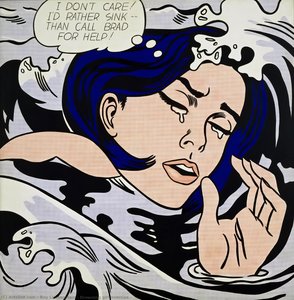
Descubra as 25 obras-primas de Roy Lichtenstein, ícone da Pop Art! Explore a história, técnica e cores vibrantes por trás de quadros famosos como 'Drowning Girl' e 'Look Mickey'. Encontre reproduções de arte exclusivas para decorar sua casa com estilo em BuyPopArt.com.
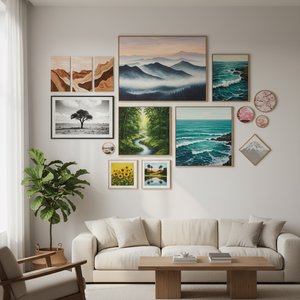
Descubra os 10 quadros de paisagem mais icônicos da história da arte! Explore Monet, Van Gogh e outros mestres, suas técnicas e inspirações. Encontre reproduções de alta qualidade para decorar sua casa com beleza e elegância em BuyPopArt.com.

Explore the captivating world of Pop Surrealism. Discover how vibrant Pop Art meets dreamlike subconscious imagery through the works of masters like Jeff Soto and Ryan Heshka. An expert guide for discerning collectors seeking to understand this profound contemporary art movement.
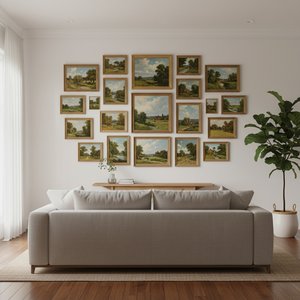
Descubra as 25 obras-primas de John Constable, o mestre da paisagem inglesa! Explore a arte romântica, cores vibrantes e histórias fascinantes por trás de 'Hay Wain' e outras pinturas icônicas. Encontre reproduções de alta qualidade para decorar sua casa com BuyPopArt.com.

Descubra os 10 quadros mais emblemáticos da Paisagem Romântica! Explore a história de Turner, Friedrich e outros mestres. Encontre reproduções de arte exclusivas para inspirar sua decoração em BuyPopArt.com.


Fique por dentro das últimas notícias de arte, ofertas exclusivas e ideias de decoração.
Conte-nos sobre o seu projeto e os nossos especialistas em arte fornecerão 3 sugestões de arte personalizadas.
Deixe que selecionamos 3 opções especialmente para você – Grátis!


 Visualizar em escala
 Enviar
 Compartilhar
 Ver detalhes

 Baixar
 Semelhantes
 Raio X
 Apresentação de slides

 Ver mais







 A opção de vidro está disponível apenas para tamanhos inferiores a 110 cm