

 Acrylic On CanvasWallArtCapitalist Realism
 1968Contemporary
 60.0 x 50.0 cm
 Fundação de Serralves
Adquira uma imagem digital de alta resolução e aprimorada, muito superior à prévia online.
Cada arquivo é meticulosamente preparado por nossos especialistas internos, utilizando ferramentas avançadas e retoques manuais de alta precisão. Garantimos que cada imagem apresente clareza excepcional, fidelidade de cores e detalhes minuciosos.
O arquivo final é entregue por e-mail em até 72 horas, otimizado para uso imediato em ambientes profissionais, editoriais e de impressão. Esta é a mesma qualidade utilizada por estúdios de design de alto nível, editoras e galerias.
Baixe um arquivo de alta resolução para exibição pessoal, impressão e projetos criativos. ( Encomendar impressão Encomendar reprodução pintada à mão)
Ao escolher o BuyPopArt.com, você não está apenas adquirindo uma imagem — você está recebendo uma obra de arte digital profissionalmente aprimorada, elaborada com precisão e com garantia de satisfação. Aqui está tudo o que acompanha seu pedido, automaticamente:

O seu arquivo de imagem digital em alta resolução será enviado por e-mail em até 72 horas após o pedido — pronto para uso imediato.

Sua obra de arte é otimizada profissionalmente por meio de ferramentas avançadas de IA e edição manual, garantindo o máximo de detalhes, clareza e precisão de cores.

Apagou ou perdeu o seu ficheiro acidentalmente? Não se preocupe – nós reenviamos para si a qualquer momento, gratuitamente.

Desfrute da sua obra de arte instantaneamente, sem taxas alfandegárias, impostos ou custos de entrega — downloads digitais são sempre isentos de taxas.

Garantimos que sua imagem digital reflita as cores originais com a maior fidelidade possível, utilizando ferramentas profissionais e gerenciamento de cores.

Se você não estiver satisfeito com sua imagem digital, nós a revisaremos ou reembolsaremos 100% dentro de 60 dias — sem perguntas.

Não está satisfeito? Receba o reembolso total em até 60 dias após o recebimento do seu arquivo digital — sem perguntas.

Compre 3 imagens, economize 10% - Compre 5, economize 15% - Compre 10+, economize 20%. Ideal para projetos criativos, galerias e agências.
Sigmar Polke's "Sem título" (1968) isn’t merely a photograph; it’s a carefully constructed meditation on observation, displacement, and the unsettling beauty of everyday objects. This seminal work, housed within a stark grid of black-and-white frames, immediately draws the viewer into a world both familiar and profoundly strange. The arrangement—nine individual photographs presented as a unified whole—evokes a sense of systematic collection, almost like a meticulously documented survey of the mundane. Yet, there’s no discernible narrative thread connecting these seemingly random images; instead, we're confronted with a series of snapshots capturing fragments of life – a woman standing poised, a figure leaping into space, furniture bathed in quiet light, and decorative items arranged with an understated elegance.
The photograph’s power lies not in grand pronouncements or overt symbolism, but in its subtle details. The lighting is naturalistic, lending each image a sense of immediacy, while the photographic medium itself—black and white—reinforces a timeless quality. Polke's choice to present these images within a rigid grid structure is particularly significant. It’s a deliberate act of control, imposing order onto what might otherwise feel chaotic or random. This formal constraint mirrors the artist’s own experience of displacement – having fled Poland as a child and later seeking refuge in Germany – highlighting a lifelong preoccupation with navigating between different worlds and grappling with the instability of identity.
“Sem título” is a cornerstone of Polke’s movement, “Kapitalistischer Realismus,” which emerged in the early 1970s alongside Gerhard Richter. This artistic approach deliberately rejected the idealized aesthetics of both Socialist Realism and Western consumer culture, instead embracing a style that mimicked advertising imagery – the slick, mass-produced visuals that dominate contemporary life. Polke’s work within this movement isn't about critique in the traditional sense; rather, it’s an exploration of how these images shape our perceptions and influence our understanding of reality. The grid format itself can be interpreted as a visual representation of this pervasive advertising language – a structured system designed to capture and control attention.
Interestingly, Polke's artistic journey began with an apprenticeship in stained-glass work, a craft that demanded precision, technical skill, and a deep understanding of light and color. This early training profoundly shaped his approach to photography, influencing his meticulous composition and his deliberate manipulation of the photographic process. The decision to use black and white further emphasizes this connection, stripping away the distractions of color and focusing on the essential elements of form and texture.
Beyond its formal arrangement, “Sem título” reveals Polke’s masterful manipulation of photographic techniques. The photographs themselves are not simply reproductions of reality; they're carefully constructed images that have undergone significant alteration in the darkroom. Polke employed a range of experimental methods – staining negatives with chemicals, creasing and folding wet paper, and manipulating contrast – to create layered textures and ambiguous forms. This process transforms the photograph into something akin to an abstract painting, blurring the boundaries between photography and other artistic mediums.
The use of a Rollei camera, a popular choice among photographers in the 1960s, speaks to Polke’s commitment to capturing fleeting moments and embracing the inherent imperfections of the photographic process. He wasn't striving for photographic realism; instead, he was using photography as a tool to explore subjective perception and create images that resonate with emotional depth. The resulting photographs are not simply representations of objects but rather evocative glimpses into a world filtered through the artist’s unique sensibility.
“Sem título” remains a powerfully resonant work, offering a poignant reflection on themes of displacement, observation, and the complexities of modern life. Its stark simplicity belies a profound depth of meaning, inviting viewers to contemplate their own relationship with images, memory, and the ever-shifting landscape of experience. Polke’s meticulous attention to detail, combined with his willingness to experiment with photographic techniques, elevates this work beyond a mere snapshot – it's a testament to the transformative power of art.
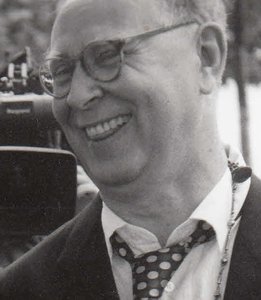
1941 - 2010 , Alemanha


Fique por dentro das últimas notícias de arte, ofertas exclusivas e ideias de decoração.
Conte-nos sobre o seu projeto e os nossos especialistas em arte fornecerão 3 sugestões de arte personalizadas.
Deixe que selecionamos 3 opções especialmente para você – Grátis!


 Visualizar em escala
 Enviar
 Compartilhar
 Ver detalhes

 Baixar
 Semelhantes
 Raio X
 Apresentação de slides
 Ver mais


