

 Acrylic On CanvasWallArtContemporary Realism
 1965
1965 29.0 x 21.0 cm
 Fundação de Serralves
Adquira uma imagem digital de alta resolução e aprimorada, muito superior à prévia online.
Cada arquivo é meticulosamente preparado por nossos especialistas internos, utilizando ferramentas avançadas e retoques manuais de alta precisão. Garantimos que cada imagem apresente clareza excepcional, fidelidade de cores e detalhes minuciosos.
O arquivo final é entregue por e-mail em até 72 horas, otimizado para uso imediato em ambientes profissionais, editoriais e de impressão. Esta é a mesma qualidade utilizada por estúdios de design de alto nível, editoras e galerias.
Baixe um arquivo de alta resolução para exibição pessoal, impressão e projetos criativos. ( Encomendar impressão Encomendar reprodução pintada à mão)
Ao escolher o BuyPopArt.com, você não está apenas adquirindo uma imagem — você está recebendo uma obra de arte digital profissionalmente aprimorada, elaborada com precisão e com garantia de satisfação. Aqui está tudo o que acompanha seu pedido, automaticamente:

O seu arquivo de imagem digital em alta resolução será enviado por e-mail em até 72 horas após o pedido — pronto para uso imediato.

Sua obra de arte é otimizada profissionalmente por meio de ferramentas avançadas de IA e edição manual, garantindo o máximo de detalhes, clareza e precisão de cores.

Apagou ou perdeu o seu ficheiro acidentalmente? Não se preocupe – nós reenviamos para si a qualquer momento, gratuitamente.

Desfrute da sua obra de arte instantaneamente, sem taxas alfandegárias, impostos ou custos de entrega — downloads digitais são sempre isentos de taxas.

Garantimos que sua imagem digital reflita as cores originais com a maior fidelidade possível, utilizando ferramentas profissionais e gerenciamento de cores.

Se você não estiver satisfeito com sua imagem digital, nós a revisaremos ou reembolsaremos 100% dentro de 60 dias — sem perguntas.

Não está satisfeito? Receba o reembolso total em até 60 dias após o recebimento do seu arquivo digital — sem perguntas.

Compre 3 imagens, economize 10% - Compre 5, economize 15% - Compre 10+, economize 20%. Ideal para projetos criativos, galerias e agências.
Sigmar Polke’s “Sem título,” created in 1968, stands as an arresting testament to the burgeoning aesthetic of capitalist realism—a movement that sought to depict everyday life with unflinching honesty, mirroring the visual language of advertising and documentary filmmaking. More than just a photographic collage, it's a carefully constructed puzzle designed to challenge our assumptions about how we perceive the world around us.
The artwork itself comprises a grid of black and white photographs meticulously arranged on canvas. Each image depicts seemingly banal objects—a lemon, a pear, a piece of fruit—presented in starkly lit studio conditions. These aren’t idealized representations; they are rendered with a deliberate lack of polish, capturing the subtle imperfections inherent in natural forms. This technique deliberately rejects the romanticism prevalent in earlier artistic movements and embraces instead the cold precision demanded by the emerging economic order.
Polke’s masterful manipulation of photographic emulsion is crucial to understanding the piece's impact. He employed a process known as “photogram,” where he placed objects directly onto photographic paper coated with light-sensitive chemicals—without any camera involved. This method captures an imprint of the object’s surface texture and tonal variations, resulting in images that appear almost ghostly, devoid of traditional perspective or depth.
The choice of black and white contributes significantly to the artwork's mood. It eliminates color distractions, forcing viewers to focus on form and texture—elements Polke skillfully exploits to convey a sense of quiet contemplation. The canvas itself is treated with a matte varnish, further diffusing light and enhancing the subtle nuances of grayscale.
“Sem título” emerged during a period of profound societal transformation in Germany following the Second World War. Capitalism was rapidly gaining dominance, reshaping cultural landscapes and influencing artistic sensibilities. Polke’s work directly confronts this shift by presenting familiar subjects—fruit—in a manner that simultaneously celebrates and interrogates their materiality. It's a subtle critique of consumer culture, questioning whether we truly see what is before us or if our perceptions are shaped by preconceived notions.
The grid format reinforces this conceptual framework. By juxtaposing multiple images side-by-side, Polke disrupts any easy narrative flow and compels the viewer to actively engage in interpreting the visual information presented. This deliberate fragmentation mirrors the complexities of modern experience—the way in which our understanding of reality is constantly mediated by external forces.
Despite its intellectual rigor, “Sem título” possesses a remarkable emotional resonance. The stillness of the images—captured without movement—invites viewers to slow down and consider their own gaze. There’s an unspoken invitation to observe closely, to appreciate the subtle beauty hidden within seemingly ordinary objects.
Ultimately, Polke's “Sem título” transcends mere representation; it becomes a meditation on perception itself. It reminds us that what we see is not simply what exists but rather how our minds interpret and process sensory input—a profound statement about the human condition that continues to resonate with audiences today.
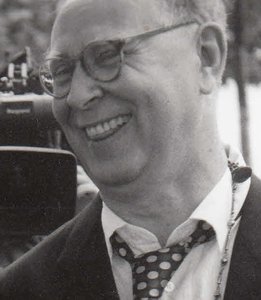
1941 - 2010 , Alemanha


Fique por dentro das últimas notícias de arte, ofertas exclusivas e ideias de decoração.
Conte-nos sobre o seu projeto e os nossos especialistas em arte fornecerão 3 sugestões de arte personalizadas.
Deixe que selecionamos 3 opções especialmente para você – Grátis!


 Visualizar em escala
 Enviar
 Compartilhar
 Ver detalhes

 Baixar
 Semelhantes
 Raio X
 Apresentação de slides
 Ver mais


