

Impressão giclée ou em tela de qualidade de museu, com produção rápida e opções flexíveis de acabamento. ( Encomendar reprodução pintada à mão Comprar imagem em alta resolução)





























Escolha entre os nossos tamanhos pré-definidos que respeitam as proporções originais da obra de arte.

Você pode inserir suas próprias dimensões para se ajustar a uma moldura ou espaço específico. Se o tamanho selecionado não corresponder às proporções da imagem original, iremos recortar a obra de arte ou estender a imagem com uma borda espelhada ou preenchimento sólido. Um mockup digital será enviado para sua aprovação antes do início da produção.
Por favor, observe que a visualização na tela não reflete o recorte ou a extensão real. Apenas o mockup mostrará com precisão a composição final.
Embora tamanhos personalizados estejam disponíveis, recomendamos selecionar uma dimensão da lista predefinida para preservar as proporções originais.
Entrega mundial () em 2 semanas, em vez das 4/5 semanas padrão. (20 Agosto)


Updating Yamantaka
Dimensões da Reprodução
Tenzing Rigdol's "Updating Yamantaka" isn't merely a painting; it’s an arresting collision of ancient Tibetan iconography and contemporary unease. Created in 2010, this work transcends the boundaries of traditional thangka art, forcing us to confront uncomfortable truths about power, death, and the unsettling ways they intersect within our world. At first glance, the composition appears deceptively serene – a vibrant tapestry woven with pastel hues, intricate textile patterns reminiscent of Tibetan prayer rugs, and the solemn script of sacred texts. However, a closer examination reveals a deliberate subversion of established artistic conventions, culminating in an image that is both profoundly unsettling and intellectually stimulating.
The central figure, Yamantaka – the Lord of Death and King of the Law within the Tibetan Buddhist tradition – dominates the canvas. Traditionally depicted astride a buffalo relentlessly pursuing a human victim, symbolizing the inescapable cycle of life and death, Rigdol’s interpretation diverges dramatically. The anonymous, everyman figure representing the sacrificed individual is replaced with the unmistakable face of Osama bin Laden. This jarring juxtaposition isn't gratuitous; it serves as a potent metaphor for the anxieties of the 21st century – a world grappling with global terrorism, political instability, and the pervasive sense that ancient philosophical concepts are suddenly rendered terrifyingly relevant.
Rigdol’s artistic approach is deeply rooted in his Tibetan heritage, yet he doesn't simply replicate traditional styles. He masterfully blends these established techniques with elements of contemporary art, incorporating influences from American Sign Language (ASL) – a subtle nod to his dual identity as a Tibetan-American artist – and personal iconography that speaks to his own experiences. The deliberate layering of sacred text alongside the unsettling image of bin Laden creates a dynamic tension, suggesting a critical engagement with both spiritual and secular realms. The use of pastel colors, typically associated with serenity and spirituality, is deliberately juxtaposed against the stark reality presented by the central figure, amplifying the work’s emotional impact.
Born in Kathmandu, Nepal, in 1982, Rigdol's upbringing was shaped by his family’s displacement from Tibet. This personal history profoundly informs his artistic practice, fueling a desire to explore themes of cultural identity, exile, and the enduring legacy of tradition. His work is not simply an aesthetic exercise; it’s a deeply considered meditation on the complexities of navigating multiple worlds and grappling with profound questions about mortality and morality.
The symbolism within “Updating Yamantaka” operates on multiple levels. The buffalo, traditionally representing relentless pursuit and destruction, embodies the forces of chaos and violence that threaten to overwhelm human existence. Yamantaka himself represents the inevitable cycle of death and rebirth, a concept central to Buddhist philosophy. However, by placing the face of Osama bin Laden upon this figure, Rigdol transforms the traditional symbolism into a commentary on contemporary global conflict. The image becomes a visual representation of how ancient philosophical concepts can be reinterpreted and applied to address modern challenges – suggesting that even seemingly immutable truths are subject to change and re-evaluation.
Furthermore, the inclusion of scripture alongside the unsettling imagery highlights the ongoing dialogue between faith and reason. Rigdol invites us to consider how traditional beliefs can be both comforting and challenging in a world increasingly defined by uncertainty and conflict. The work ultimately compels viewers to confront their own assumptions about power, death, and the role of violence in shaping human destiny.
“Updating Yamantaka” is more than just a striking image; it’s a powerful statement about the interconnectedness of past and present. BuyPopArt offers high-quality reproductions that faithfully capture the painting's intricate details and emotional depth. Whether you are an art collector, an interior designer seeking to infuse your space with thought-provoking imagery, or simply someone captivated by this unique work, a reproduction of “Updating Yamantaka” is a compelling addition to any collection – a reminder of the enduring relevance of ancient wisdom in our rapidly changing world.


1982 - , Nepal
Descubra as 25 obras-primas do Metropolitan Museum of Art em Nova York! Explore a história de Van Gogh, Monet e outros artistas renomados. Encontre reproduções de arte exclusivas para decorar sua casa com elegância. BuyPopArt.com – Sua fonte de inspiração artística.
Descubra as 25 obras-primas de James Abbott McNeill Whistler, o mestre do Impressionismo e dos 'Nocturnes'. Explore a história por trás de cada pintura, cores e técnicas. Encontre reproduções de arte exclusivas para decorar sua casa com elegância em BuyPopArt.com!
Descubra os 25 tesouros da National Gallery of Art, Washington! Explore a história de Cézanne, Matisse, Picasso e outros mestres. Encontre reproduções de arte exclusivas para decorar sua casa com elegância. Inspire-se e explore a coleção completa em BuyPopArt.com.
Descubra as 25 obras-primas do Detroit Institute of Arts! Explore a história de Van Gogh, Monet e outros artistas icônicos. Encontre reproduções de arte de alta qualidade para decorar sua casa com elegância. BuyPopArt.com: A sua fonte de inspiração artística.
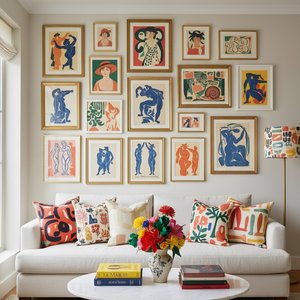
Descubra as 25 obras-primas de Henri Matisse que revolucionaram a arte moderna! Explore o Fauvismo, cores vibrantes e a história por trás dos quadros mais famosos do artista. Encontre reproduções de alta qualidade para decorar sua casa com BuyPopArt.com.


Fique por dentro das últimas notícias de arte, ofertas exclusivas e ideias de decoração.
Conte-nos sobre o seu projeto e os nossos especialistas em arte fornecerão 3 sugestões de arte personalizadas.
Deixe que selecionamos 3 opções especialmente para você – Grátis!


 Visualizar em escala
 Enviar
 Compartilhar
 Ver detalhes

 Baixar
 Semelhantes
 Raio X
 Apresentação de slides


 Ver mais







 A opção de vidro está disponível apenas para tamanhos inferiores a 110 cm


