Oil On CanvasWallArtBaroque Renaissance
 1548
1548 253.0 x 217.0 cm
 Museu do Prado
Óleo sobre tela pintado à mão no seu tamanho e moldura, feito sob encomenda pelos nossos artistas. ( Encomendar impressão Comprar imagem em alta resolução)





























Escolha entre os nossos tamanhos pré-definidos que respeitam as proporções originais da obra de arte.

Pode inserir as suas próprias dimensões para se adequar a uma moldura ou espaço específico. Se o tamanho selecionado não corresponder às proporções da imagem original, iremos cortar a obra de arte ou estender a pintura com elementos adicionais pintados à mão. Um esboço digital será enviado para sua aprovação antes do início da produção.
Tenha em atenção que a pré-visualização no ecrã não reflete o corte ou extensão real. Apenas o esboço mostrará com precisão a composição final.
Embora tamanhos personalizados estejam disponíveis, recomendamos selecionar uma dimensão da lista predefinida para preservar as proporções originais.
Entrega mundial () em 3 a 4 semanas, em vez das 5 semanas padrão. (19 Agosto). Sem comprometer a qualidade.


Tityus
Dimensões da Reprodução
Tiziano Vecellio's "Tityus," painted in 1548, isn’t merely a depiction of a Greek myth; it’s a profound meditation on suffering, divine justice, and the inescapable consequences of arrogance. Housed within the Museo del Prado, this monumental oil painting offers a visceral experience, transporting the viewer to the desolate underworld where the titan is eternally tormented. The sheer scale – measuring 253 x 217 cm – immediately commands attention, drawing us into a world steeped in shadow and punctuated by the unsettling presence of vultures. Titian’s genius lies not just in his technical prowess but in his ability to imbue a classical narrative with an intensely human drama.
The story behind “Tityus” is grim, yet powerfully resonant. According to Greek mythology, Tityus was the son of Gaia (Earth) and Tartarus (the abyss). He attempted to seduce Leto, Hera’s mistress, resulting in his immediate punishment: eternal torment chained to a rock, subjected to the relentless feeding of vultures whose appetites could never be satiated. Titian masterfully captures this horrific fate. The figure of Tityus himself is rendered with agonizing realism – his body contorted in a posture of defeated despair, his head bowed as if accepting his unending punishment. He’s not presented as a monstrous brute, but rather as a profoundly vulnerable human being, stripped bare by both physical and spiritual torment.
Titian was a revolutionary in the use of color, and “Tityus” exemplifies this. While firmly rooted in Renaissance principles, the painting anticipates elements of the emerging Baroque style. The palette is dominated by rich, warm tones – deep reds, ochres, and browns – creating an atmosphere of oppressive heat and decay. The artist skillfully employs chiaroscuro, a dramatic contrast between light and shadow, to heighten the emotional impact. Notice how the light catches on Tityus’s skin, highlighting his suffering while plunging the surrounding landscape into darkness. This interplay of light and shadow isn't simply aesthetic; it serves to emphasize the psychological weight of the scene, mirroring the internal struggle of a man facing eternal torment.
Beyond its immediate depiction of punishment, “Tityus” is laden with symbolic meaning. The vultures represent not just physical consumption but also the relentless passage of time and the inescapable nature of fate. The painting serves as a potent reminder of the dangers of hubris – excessive pride or self-confidence – and the inevitable consequences that follow. Commissioned by Mary of Hungary, this work likely held a didactic purpose, intended to warn against vanity and remind viewers of the importance of humility before God. Even today, “Tityus” continues to resonate with audiences, prompting reflection on themes of morality, justice, and the human condition – timeless subjects rendered with breathtaking artistry and emotional intensity.
A hand-painted reproduction by BuyPopArt.com offers a remarkable opportunity to bring this extraordinary masterpiece into your home or office. Experience the drama, the color, and the profound symbolism of “Tityus” in exquisite detail, capturing the spirit of Renaissance art for generations to come.
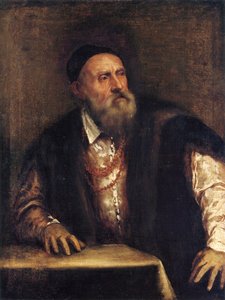
1490 - 1576 , Itália

Descubra como o Barroco brasileiro pode transformar seus interiores! Explore a história, elementos-chave e dicas para integrar este estilo luxuoso e cheio de emoção em sua casa.

Explore the rich history & enduring techniques of oil painting with BuyPopArt. Discover masterpieces, learn about art collecting, and find authentic handmade reproductions crafted by skilled artists.

Explore the dramatic world of Baroque art! Discover iconic artists like Caravaggio & Rubens, defining techniques, and its lasting impact on art history. Expert insights for collectors & enthusiasts at BuyPopArt.

Explore the rich history & enduring techniques of oil painting on canvas. Discover the science behind its longevity, conservation practices, and contemporary relevance. Expert insights for art enthusiasts.

Explore the rich history & techniques of oil painting – from Renaissance masters to Impressionism. Discover pigments, layering methods, and why this timeless medium endures. Expert insights for artists & art enthusiasts.


Fique por dentro das últimas notícias de arte, ofertas exclusivas e ideias de decoração.
Conte-nos sobre o seu projeto e os nossos especialistas em arte fornecerão 3 sugestões de arte personalizadas.
Deixe que selecionamos 3 opções especialmente para você – Grátis!


 Visualizar em escala
 Enviar
 Compartilhar
 Ver detalhes

 Baixar
 Semelhantes
 Raio X
 Apresentação de slides
 Ver mais







 A opção de vidro está disponível apenas para tamanhos inferiores a 110 cm