Impressão giclée ou em tela de qualidade de museu, com produção rápida e opções flexíveis de acabamento. ( Encomendar reprodução pintada à mão Comprar imagem em alta resolução)





























Escolha entre os nossos tamanhos pré-definidos que respeitam as proporções originais da obra de arte.

Você pode inserir suas próprias dimensões para se ajustar a uma moldura ou espaço específico. Se o tamanho selecionado não corresponder às proporções da imagem original, iremos recortar a obra de arte ou estender a imagem com uma borda espelhada ou preenchimento sólido. Um mockup digital será enviado para sua aprovação antes do início da produção.
Por favor, observe que a visualização na tela não reflete o recorte ou a extensão real. Apenas o mockup mostrará com precisão a composição final.
Embora tamanhos personalizados estejam disponíveis, recomendamos selecionar uma dimensão da lista predefinida para preservar as proporções originais.
Entrega mundial () em 2 semanas, em vez das 4/5 semanas padrão. (20 Agosto)


Meg
Dimensões da Reprodução
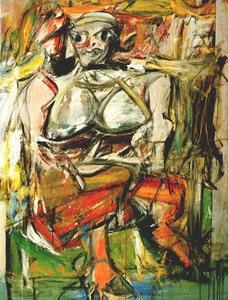
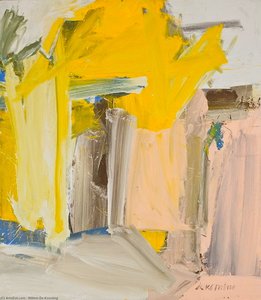
Willem de Kooning's 1955 work, “Meg,” is not a painting one simply *looks* at; it’s an experience. A swirling vortex of color and form rendered in oil, pastel, and collage on paper, “Meg” embodies the raw energy and emotional turbulence that define Abstract Expressionism. It's a piece that demands attention, pulling the viewer into its chaotic yet strangely harmonious depths. The painting eschews traditional representation, instead offering a fragmented glimpse into an internal landscape – a world of feeling rather than concrete imagery. While lacking a definitive subject in the conventional sense, hints of figuration emerge from the abstraction, suggesting perhaps a female form or interacting figures caught within a dynamic interplay of gesture and color.
To understand “Meg,” one must consider Willem de Kooning's remarkable journey. Born in Rotterdam in 1904, he immigrated to the United States in 1926, a pivotal move that would shape his artistic trajectory. Initially grappling with commercial art and realistic depictions of urban life, De Kooning gradually moved towards abstraction, influenced by encounters with fellow artists like Arshile Gorky and Jackson Pollock. The post-World War II era saw the rise of Abstract Expressionism in New York City, a movement that sought to express subjective emotional experience through spontaneous, automatic or subconscious creation. De Kooning became a central figure in this revolution, known for his bold brushwork and willingness to challenge conventional artistic boundaries. His earlier “Woman” series, though controversial for their aggressive depiction of the female form, paved the way for the more liberated abstraction seen in works like “Meg.” The year 1955 was particularly significant; it also saw the creation of "Interchange," another landmark painting demonstrating his evolving style and mastery of color.
“Meg” is a testament to De Kooning’s innovative technique. The layering of oil paint, pastel, and collage elements creates a rich, tactile surface that invites close inspection. The artist's characteristic brushstrokes – energetic, slashing, and often seemingly haphazard – build up layers of color and texture, generating a sense of movement and depth. The use of collage adds another dimension to the work, introducing fragments of paper that disrupt the smooth surface and further emphasize the painting’s fragmented nature. This isn’t about precise control; it's about embracing chance and allowing the materials to dictate aspects of the composition. The vibrant palette – a mix of reds, blues, yellows, greens, pinks, oranges, and whites – contributes to the painting’s emotional intensity, evoking feelings of both exhilaration and unease. The overall effect is one of controlled chaos, a carefully orchestrated explosion of color and form.
Ultimately, “Meg” transcends mere aesthetic appeal; it's a deeply emotive work that resonates with viewers on a visceral level. The painting’s ambiguity allows for multiple interpretations, inviting each individual to project their own feelings and experiences onto its surface. Some see echoes of human figures struggling within the abstract forms, while others perceive a landscape ravaged by emotional turmoil. Regardless of one's interpretation, “Meg” evokes a sense of raw energy, vulnerability, and the complexities of the human condition. It’s a powerful reminder that art can be more than just representation; it can be a direct expression of inner life, a window into the subconscious mind.
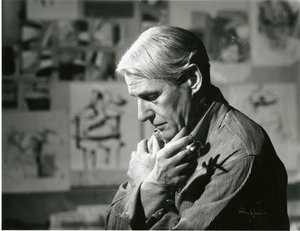
1904 - 1997 , Países Baixos

Dive into the high-voltage world of Abstract Expressionism. Explore the raw energy of Action Painting and the legendary masters of the New York School through a visual journey of pure chaos and color. Discover how to bring bold, high-impact abstract art into your modern space.

Master the high-impact world of contemporary abstraction. Discover how bold colors, textures, and modern movements like Abstract Expressionism can transform your space with premium, high-energy art curated for the design-conscious professional.

Dive into the high-energy world of Lyrical Abstraction. Explore how bold colors, fluid motion, and emotional depth define this modern masterpiece movement. Discover iconic artists and learn to bring this vibrant, soulful energy into your contemporary space.

Discover the power of Neo-Abstract art. Explore how bold geometric forms and high-impact visual energy are redefining modern design. Learn to curate sophisticated, high-energy spaces with the latest trends in contemporary abstraction and structural color.


Fique por dentro das últimas notícias de arte, ofertas exclusivas e ideias de decoração.
Conte-nos sobre o seu projeto e os nossos especialistas em arte fornecerão 3 sugestões de arte personalizadas.
Deixe que selecionamos 3 opções especialmente para você – Grátis!


 Visualizar em escala
 Enviar
 Compartilhar
 Ver detalhes

 Baixar
 Semelhantes
 Raio X
 Apresentação de slides


 Ver mais







 A opção de vidro está disponível apenas para tamanhos inferiores a 110 cm