Acrílico sobre telaArte de ParedeAbstract Expressionism
 1964Moderno
 61.0 x 47.0 cm
Impressão giclée ou em tela de qualidade de museu, com produção rápida e opções flexíveis de acabamento. ( Encomendar reprodução pintada à mão Comprar imagem em alta resolução)





























Escolha entre os nossos tamanhos pré-definidos que respeitam as proporções originais da obra de arte.

Você pode inserir suas próprias dimensões para se ajustar a uma moldura ou espaço específico. Se o tamanho selecionado não corresponder às proporções da imagem original, iremos recortar a obra de arte ou estender a imagem com uma borda espelhada ou preenchimento sólido. Um mockup digital será enviado para sua aprovação antes do início da produção.
Por favor, observe que a visualização na tela não reflete o recorte ou a extensão real. Apenas o mockup mostrará com precisão a composição final.
Embora tamanhos personalizados estejam disponíveis, recomendamos selecionar uma dimensão da lista predefinida para preservar as proporções originais.
Entrega mundial () em 2 semanas, em vez das 4/5 semanas padrão. (17 Agosto)


Sphinx
Dimensões da Reprodução
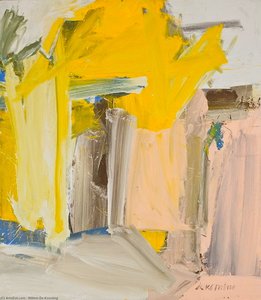
Willem de Kooning's 1964 oil painting, ‘Sphinx’, is not merely a visual experience; it’s an immersion into the turbulent currents of Abstract Expressionism and a profound exploration of the human psyche. Measuring 61 x 47 cm, this work pulsates with raw energy, its surface alive with swirling brushstrokes and intense hues of orange and yellow. To stand before ‘Sphinx’ is to confront a fragmented reality, a world where form dissolves into emotion and suggestion replaces definition. It's a painting that doesn’t offer answers but instead invites contemplation on the elusive nature of identity and the complexities of feminine representation—themes central to de Kooning’s artistic journey.
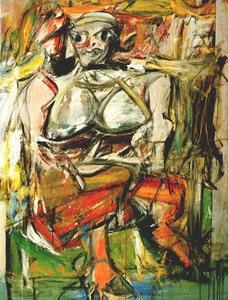
At the heart of ‘Sphinx’ lies an ambiguous depiction of a female figure, though “depiction” feels inadequate given its radical abstraction. De Kooning doesn't present a portrait in the traditional sense; rather, he offers fleeting glimpses—hints of eyes, a suggestion of a mouth, perhaps the curve of a nose—all dissolving into a dynamic interplay of color and texture. This deliberate ambiguity is key to understanding the painting’s power. It isn’t about portraying a specific woman but evoking the *essence* of femininity, vulnerability, and the societal pressures often imposed upon women. This echoes throughout his famous ‘Woman’ series, where he similarly wrestled with representation and its inherent limitations. The title itself, 'Sphinx', is laden with symbolism; sphinxes are mythical guardians known for their enigmatic nature and challenging riddles. De Kooning seems to present us with a similar puzzle, an invitation to confront our own perceptions and emotions in the face of ambiguity.
De Kooning’s technique is integral to the emotional impact of ‘Sphinx’. As a pivotal figure in Abstract Expressionism—a movement born from the anxieties and uncertainties of post-World War II America—he rejected traditional artistic conventions, prioritizing subjective experience over representational accuracy. The painting embodies this ethos through its energetic brushwork, lack of defined form, and emphasis on the physical act of painting itself. He employed a wet-on-wet application of paint, allowing colors to bleed and blend, creating a hazy, atmospheric quality that amplifies the sense of emotional turmoil. The impasto technique—the thick layering of oil paint—adds a tactile dimension, with pronounced brushstrokes and drips contributing to the work’s raw immediacy. The dominance of warm tones – oranges and yellows – isn't merely aesthetic; it contributes to an overall feeling of intensity, perhaps even anxiety, drawing the viewer into the painting’s emotional core.
Born in Rotterdam in 1904 and later immigrating to the United States, Willem de Kooning became a defining voice of American art. His journey from commercial artist to Abstract Expressionist pioneer was marked by constant experimentation and a relentless pursuit of authentic expression. ‘Sphinx’, created during a period of significant social and political change, reflects this spirit of innovation and rebellion. The painting stands as a testament to de Kooning’s ability to translate complex emotions into a visual language that continues to resonate with audiences today. It's a work that demands attention, sparks conversation, and adds depth and complexity to any environment—a powerful reminder of art’s capacity to tap into our deepest feelings and challenge our perceptions.
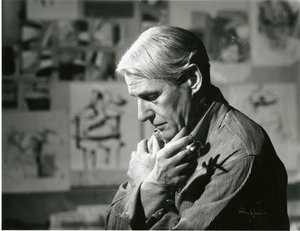
1904 - 1997 , Países Baixos

Master the high-impact world of contemporary abstraction. Discover how bold colors, textures, and modern movements like Abstract Expressionism can transform your space with premium, high-energy art curated for the design-conscious professional.

Discover the power of Neo-Abstract art. Explore how bold geometric forms and high-impact visual energy are redefining modern design. Learn to curate sophisticated, high-energy spaces with the latest trends in contemporary abstraction and structural color.


Fique por dentro das últimas notícias de arte, ofertas exclusivas e ideias de decoração.
Conte-nos sobre o seu projeto e os nossos especialistas em arte fornecerão 3 sugestões de arte personalizadas.
Deixe que selecionamos 3 opções especialmente para você – Grátis!


 Visualizar em escala
 Enviar
 Compartilhar
 Ver detalhes

 Baixar
 Semelhantes
 Raio X
 Apresentação de slides
 Ver mais







 A opção de vidro está disponível apenas para tamanhos inferiores a 110 cm