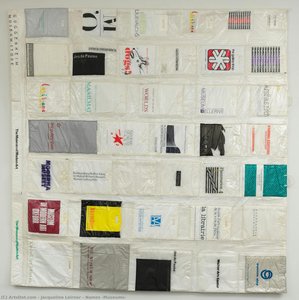
Pictură în ulei pe pânză, realizată manual de artiștii noștri la dimensiunea și ramele dorite de dumneavoastră, pe comandă. ( Comandă printul Cumpără imaginea)
Alegeți dintre dimensiunile noastre prestabilite, care respectă proporțiile originale ale operei de artă.

Puteți introduce propriile dimensiuni pentru a se potrivi unui anumit cadru sau spațiu. Dacă dimensiunea selectată nu corespunde proporțiilor imaginii originale, vom decupa opera de artă sau vom extinde pictura cu elemente suplimentare pictate manual. O simulare digitală vă va fi trimisă pentru aprobare înainte de începerea producției.
Vă rugăm să rețineți că previzualizarea de pe ecran nu reflectă decuparea sau extinderea reală. Doar macheta va arăta cu exactitate compoziția finală.
Deși sunt disponibile dimensiuni personalizate, vă recomandăm să selectați o dimensiune din lista predefinită pentru a păstra proporțiile originale.
Livrare în întreaga lume () în 3-4 săptămâni, în loc de cele 5 săptămâni standard. (17 August). Fără compromisuri în ceea ce privește calitatea.


Untitled
Dimensiune reproducere
Barbara Kruger stands as a singular figure in conceptual art and collage aesthetics—a voice that persistently interrogates societal norms and challenges viewers to confront uncomfortable truths. Born in Newark, United States of America, in 1945, her journey into the heart of visual critique began with rigorous studies at Cooper Union for the Fine Arts in New York City. It was here that she honed her skills in photography and graphic design, disciplines that would eventually become the very DNA of her creative process. Her distinctive style, characterized by black-and-white photographs overlaid with declarative captions rendered in striking white on red Futura Bold Oblique or Helvetica Ultra Condensed text, immediately grabs attention and establishes Kruger’s unwavering commitment to visual communication as a tool for social critique.
Emerging from the influential Pictures Generation movement of the 1980s, Kruger's work transcends mere aesthetic appeal; it operates as a deliberate provocation. While she embraced the techniques of Pop Art and drew inspiration from titans like Warhol and Lichtenstein, she simultaneously rejected their often celebratory or detached tone. Instead, she sought to dismantle illusions of optimism and expose underlying anxieties about control, representation, and the construction of identity. Her early collaborations with artist Jules Spinelli further solidified her artistic partnership and fueled a shared exploration of feminist theory and the complexities of visual language.
Kruger’s signature collage method—the meticulous combination of photographic images with aggressive text—became her unmistakable trademark. She selects photographs that capture moments of vulnerability, ambiguity, or confrontation, often depicting figures in stark, unyielding settings. These images are then transformed by bold captions bearing pronouns such as “You,” “Your,” “I,” “We,” and “They.” These linguistic choices are never accidental; they are designed to disrupt conventional narratives and force the viewer into a direct relationship with the image, making the spectator both a subject and an observer of the power dynamics on display.
Her body of work functions as a psychological mirror, reflecting the pervasive influence of consumer culture, gender politics, and institutional authority. Through her art, she explores themes including:
The historical significance of Barbara Kruger lies in her ability to repurpose the very tools used to manipulate the public—advertising, typography, and mass-media imagery—to instead critique those same systems. Her work does not merely exist within a gallery space; it invades the consciousness of the viewer, much like the advertisements she deconstructs. Whether through surreal installations that create disorienting corridors of text and shadow or through iconic, singular images that demand immediate recognition, her art remains a vital force in contemporary discourse.
By blending the aesthetics of graphic design with the depth of conceptual philosophy, Kruger has created a visual vocabulary that continues to resonate in an era of digital saturation. Her achievements lie not just in the creation of beautiful or striking objects, but in her enduring ability to provoke thought, incite debate, and demand that we look closer at the structures that define our world.

1945 - , United States of America


Rămâneți la curent cu cele mai recente știri din lumea artei, ofertele noastre exclusive și ideile de decor.
Spuneți-ne despre proiectul dumneavoastră, iar experții noștri în artă vă vor oferi 3 sugestii personalizate.
Vom selecta 3 opțiuni special pentru tine – Gratuit!


 Previzualizare
 Trimite
 Distribuie
 Detalii despre lucrare

 Descarcă
 Produse similare
 Radiografie
 Diapozitive automate
 Vezi mai mult




































 Opțiunea cu sticlă este disponibilă doar pentru dimensiuni de sub 110 cm