

 Ulei pe pânzăArtă muralăBaroque
 1606Renașterea
 128.0 x 103.0 cm
 Palazzo Rosso
Achiziționați o imagine digitală de înaltă rezoluție, îmbunătățită, mult superioară previzualizării online.
Fiecare fișier este pregătit cu meticulozitate de specialiștii noștri interni, utilizând instrumente avansate și retușare manuală expertă. Ne asigurăm că fiecare imagine beneficiază de o claritate excepțională, o acuratețe precisă a culorilor și detalii fine.
Fișierul final este livrat prin e-mail în termen de 72 de ore, optimizat pentru utilizare imediată în medii profesionale, editoriale și de imprimare. Aceasta este aceeași calitate în care au încredere studiouri de design, edituri și galerii de top.
Descărcați un fișier la rezoluție înaltă pentru afișare personală, imprimare și proiecte creative. ( Comandă printul Comandă pictură lucrată manual)
Când alegeți BuyPopArt.com, nu primiți doar o simplă imagine – primiți o operă de artă digitală îmbunătățită profesional, creată cu precizie și susținută de o garanție de satisfacție. Iată tot ceea ce primești odată cu comanda ta, în mod automat:

Fișierul imaginii digitale la rezoluție înaltă vă va fi trimis prin e-mail în termen de 72 de ore de la finalizarea comenzii – gata pentru utilizare imediată.

Opera ta de artă este optimizată profesional prin intermediul unor instrumente AI avansate și al editării manuale, asigurând un nivel maxim de detalii, claritate și acuratețe a culorilor.

Ai șters sau ai pierdut din greșeală fișierul? Nu îți face griji – ți-l vom retrimite oricând, gratuit.

Bucură-te instant de noua ta operă de artă, fără taxe vamale, taxe de import sau costuri de livrare – descărcările digitale sunt întotdeauna fără taxe.

Asigurăm o reflectare cât mai fidelă a culorilor originale în imaginea ta digitală, prin utilizarea unor instrumente profesionale și a proceselor de gestionare a culorii.

Dacă nu sunteți mulțumit de imaginea digitală achiziționată, o vom revizui sau vă vom returna 100% în termen de 60 de zile – fără nicio explicație necesară.

Nu ești mulțumit? Obține o rambursare completă în termen de 60 de zile de la primirea fișierului tău digital – fără întrebări.

Cumpără 3 imagini, economisește 10% - Cumpără 5, economisește 15% - Cumpără 10+, economisește 20%. Ideal pentru proiecte creative, galerii și agenții.
Michelangelo Merisi da Caravaggio, universally known as Caravaggio (1571–1610), stands as one of the most influential figures in Baroque painting—a movement that revolutionized artistic expression and captivated audiences across Europe. Born in Milan amidst a period marked by plague and familial loss, Caravaggio’s formative years instilled within him an unwavering empathy for human vulnerability and resilience—themes that would permeate his canvases throughout his prolific career.
His early artistic training under Simone Peterzano, a former pupil of Titian, provided him with foundational knowledge of Renaissance technique. However, it was in Rome, arriving around 1592, where Caravaggio truly blossomed, forging an unparalleled path that defied convention and established his distinctive style as the cornerstone of Baroque art.
Caravaggio's revolutionary approach to painting centered on *tenebrism*, a technique characterized by dramatic contrasts between light and darkness—a masterful manipulation of chiaroscuro that elevated realism beyond mere visual accuracy. He eschewed meticulous preparatory sketches, preferring to work directly onto the canvas with rapid brushstrokes, capturing fleeting moments of emotion and psychological intensity.
His subjects were often drawn from biblical narratives and mythological tales, yet Caravaggio imbued them with palpable human drama—a profound engagement with the complexities of faith, morality, and suffering. Unlike his contemporaries who sought to portray idealized figures or grand historical events, Caravaggio focused on portraying ordinary individuals grappling with extraordinary circumstances.
Consider *Ecce Homo*, arguably Caravaggio’s most iconic work. Painted circa 1605/06 or 1609 and currently residing in the Palazzo Bianco of Genoa, this arresting image transcends mere depiction; it's a profound meditation on human emotion, faith, and the unsettling nature of power.
The painting’s impact stems from Caravaggio’s masterful use of chiaroscuro—a technique that sculpts light and shadow with breathtaking precision. Notice how the illumination concentrates upon Jesus’s face and torso, highlighting his wounds and conveying an expression of sorrowful acceptance. The enveloping darkness amplifies the drama, creating a theatrical atmosphere that compels viewers to confront the moral ambiguities inherent in the scene.
Beyond its visual splendor, *Ecce Homo* is rich in symbolism—the crown of thorns representing Christ’s suffering during crucifixion; the man holding him down embodying Pilate's complicity and the crowd’s demand for execution. Caravaggio’s deliberate choice of composition and his unflinching portrayal of human vulnerability underscore the painting’s enduring relevance as a commentary on power, guilt, and redemption.
Caravaggio’s legacy extends far beyond his artistic innovations—he fundamentally altered the conventions of Baroque painting, inspiring generations of artists to embrace dramatic lighting and psychological realism. His influence can be discerned in the works of Rubens, Ribera, Bernini, Velázquez, and Rembrandt—artists who recognized Caravaggio as a prophet of their own time.
The Palazzo Bianco’s display of *Ecce Homo* offers an unparalleled opportunity to experience Caravaggio's genius firsthand—a testament to his enduring ability to provoke contemplation and inspire awe. Reproductions strive to capture only a fraction of the original painting’s transformative power, inviting viewers to engage with its profound exploration of human suffering and faith.
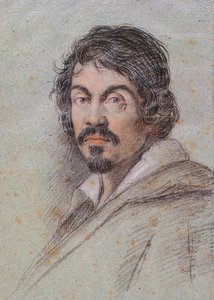
1571 - 1610 , Spania


Rămâneți la curent cu cele mai recente știri din lumea artei, ofertele noastre exclusive și ideile de decor.
Spuneți-ne despre proiectul dumneavoastră, iar experții noștri în artă vă vor oferi 3 sugestii personalizate.
Vom selecta 3 opțiuni special pentru tine – Gratuit!


 Previzualizare
 Trimite
 Distribuie
 Detalii despre lucrare

 Descarcă
 Produse similare
 Radiografie
 Diapozitive automate
 Vezi mai mult