Printuri giclée sau pe canvas de calitate muzeală, cu proces de producție rapid și opțiuni flexibile de finisare. ( Comandă pictură lucrată manual Cumpără imaginea)





























Alegeți dintre dimensiunile noastre prestabilite, care respectă proporțiile originale ale operei de artă.

Puteți introduce propriile dimensiuni pentru a se potrivi unui anumit cadru sau spațiu. Dacă dimensiunea selectată nu corespunde proporțiilor imaginii originale, vom decupa lucrarea de artă sau vom extinde imaginea cu margini oglindite sau cu o culoare uniformă. Un mockup digital va fi trimis pentru aprobarea dumneavoastră înainte de începerea producției.
Vă rugăm să rețineți că previzualizarea de pe ecran nu reflectă decuparea sau extinderea reală. Doar mockup-ul va arăta cu exactitate compoziția finală.
Deși dimensiunile personalizate sunt disponibile, vă recomandăm să selectați o dimensiune din lista predefinită pentru a păstra proporțiile originale.
Livrare în întreaga lume () în 2 săptămâni, în loc de cele 4/5 săptămâni standard. (17 August)


untitled (749)
Dimensiune reproducere
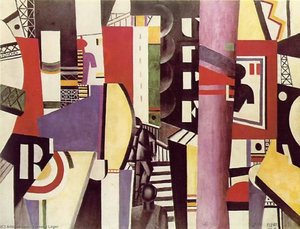
Fernand Léger's "untitled (749)," a captivating monochrome drawing, isn’t merely a depiction of figures on bicycles; it’s a vibrant snapshot of the burgeoning modernity that gripped Europe in the early 20th century. Created around 1930, this piece embodies Léger’s signature “Tubism,” a style he pioneered – a bold departure from traditional representation that sought to capture the essence of industrial life and its impact on human experience. The drawing pulsates with an energy born from simplified forms, geometric precision, and a deliberate fragmentation of perspective, inviting viewers into a world where the familiar is subtly transformed.
Léger’s approach to Cubism wasn't about replicating reality; it was about distilling it. He moved beyond Picasso and Braque’s initial explorations of fractured planes, developing a more streamlined aesthetic. “untitled (749)” exemplifies this with its flattened perspective – figures are presented simultaneously from multiple viewpoints, creating an illusion of depth through overlapping forms rather than traditional spatial relationships. The bicycles themselves aren't rendered realistically; instead, they become stylized machines, their wheels and frames reduced to essential geometric shapes. This deliberate simplification isn’t a rejection of detail, but a conscious choice to highlight the underlying structure and mechanics of the scene.
More than just an observation of urban life, “untitled (749)” speaks to the transformative power of industrialization. Léger was deeply fascinated by machines and their impact on society, viewing them as both a source of progress and a potential threat to traditional ways of life. The figures interacting with the bicycles can be interpreted as representing humanity’s adaptation to this new reality – embracing the speed and efficiency of modern transportation while grappling with its implications for social interaction and individual identity. The monochrome palette further emphasizes this industrial theme, evoking the cold steel and functional surfaces of factories and machines.
The drawing's composition suggests a sense of hurried movement, mirroring the pace of life in an increasingly mechanized world.Fernand Léger was a pivotal figure in the transition from early Cubism to more accessible forms of modern art. His work paved the way for Pop Art, demonstrating that everyday subjects—like bicycles and urban scenes—could be elevated to the level of artistic expression. His exploration of industrial themes resonated with a generation grappling with rapid technological advancements and societal change. Léger’s influence extends beyond painting; his distinctive style has been adopted by designers, architects, and filmmakers, solidifying his place as a key innovator in 20th-century art. Reproductions of “untitled (749)” offer a tangible connection to this groundbreaking artist and his enduring vision.
Today, "untitled (749)" stands as a testament to Léger’s unique ability to capture the spirit of an era—a dynamic blend of mechanization, movement, and human interaction that continues to resonate with audiences today.
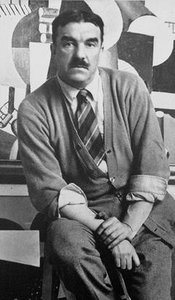
1881 - 1955 , Franța

Descoperă arta subtilă a designului interior modern cu alb, negru și gri! Ghid complet cu inspirație, istorie artistică & sfaturi de la experți pentru interioare elegante și rafinate. BuyPopArt.

Explore the revolutionary world of Early Modernism! Discover key artists like Picasso & Léger, pivotal movements, and lasting philosophical influences. Uncover the seeds of change that shaped 20th-century art.

Descoperă top 10 capodopere cubiste de la Picasso, Braque și alții! Explorează istoria artei moderne, tehnicile inovatoare și culorile vibrante ale stilului cubist. Reproduceri tablouri de calitate muzeală pe BuyPopArt.com.

Descoperă cele mai importante 10 capodopere cubiste de la Picasso, Braque și alți maeștri. Explorează istoria artei moderne, tehnicile inovatoare și culorile vibrante ale mișcării cubiste pe BuyPopArt.ro! Reproduceri tablouri de calitate muzeală pentru decorul perfect.
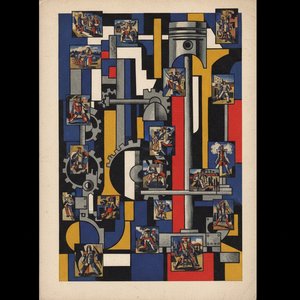
Descoperă cele mai importante 25 de opere ale lui Fernand Léger – pionier al cubismului și tubismului! Explorează istoria, tehnicile și semnificația fiecărei pânze. Reproduceri artă de calitate muzeală pentru un decor modern și sofisticat pe BuyPopArt.com.


Rămâneți la curent cu cele mai recente știri din lumea artei, ofertele noastre exclusive și ideile de decor.
Spuneți-ne despre proiectul dumneavoastră, iar experții noștri în artă vă vor oferi 3 sugestii personalizate.
Vom selecta 3 opțiuni special pentru tine – Gratuit!


 Previzualizare
 Trimite
 Distribuie
 Detalii despre lucrare

 Descarcă
 Produse similare
 Radiografie
 Diapozitive automate

 Vezi mai mult







 Opțiunea cu sticlă este disponibilă doar pentru dimensiuni de sub 110 cm