

 Ulei pe pânzăArtă de pereteExpressionism
 1958Renașterea
 152.0 x 119.0 cm
Printuri giclée sau pe canvas de calitate muzeală, cu proces de producție rapid și opțiuni flexibile de finisare. ( Comandă pictură lucrată manual Cumpără imaginea)





























Alegeți dintre dimensiunile noastre prestabilite, care respectă proporțiile originale ale operei de artă.

Puteți introduce propriile dimensiuni pentru a se potrivi unui anumit cadru sau spațiu. Dacă dimensiunea selectată nu corespunde proporțiilor imaginii originale, vom decupa lucrarea de artă sau vom extinde imaginea cu margini oglindite sau cu o culoare uniformă. Un mockup digital va fi trimis pentru aprobarea dumneavoastră înainte de începerea producției.
Vă rugăm să rețineți că previzualizarea de pe ecran nu reflectă decuparea sau extinderea reală. Doar mockup-ul va arăta cu exactitate compoziția finală.
Deși dimensiunile personalizate sunt disponibile, vă recomandăm să selectați o dimensiune din lista predefinită pentru a păstra proporțiile originale.
Livrare în întreaga lume () în 2 săptămâni, în loc de cele 4/5 săptămâni standard. (24 August)


Self Portrait
Dimensiune reproducere
Francis Bacon’s Self Portrait, painted in 1958, stands as an arresting testament to the artist's profound engagement with existential anxieties and his singular approach to figurative painting. More than just a depiction of the individual, it embodies a complex exploration of psychological torment—a visual distillation of the human condition at its most vulnerable.
Composition & Style The canvas measures 152 x 119 cm and is executed in oil on canvas. Bacon’s distinctive style—characterized by distorted forms, fragmented surfaces, and unsettling juxtapositions—immediately commands attention. He eschews traditional perspective, opting instead for a flattened space that amplifies the emotional intensity of the scene. The central figure sits rigidly on a bench, his hands covering his face in a gesture of profound despair.
Expressionism & Technique Bacon’s masterful use of expressionist techniques—particularly bold brushstrokes and impasto—creates a palpable sense of unease. Thickly applied paint captures the physicality of emotion, conveying a visceral reaction to trauma and isolation. The abstracted background forms—sweeping lines and amorphous shapes—further contribute to the painting's turbulent atmosphere, mirroring the internal turmoil depicted in the central figure.
Historical Context & Symbolism Created during Bacon’s prolific output period, Self Portrait aligns with broader artistic trends of the mid-century. It echoes influences from Surrealism and Cubism, reflecting a fascination with exploring subconscious states and challenging conventional representations of reality. The gesture of covering one's face—a recurring motif in Bacon’s oeuvre—symbolizes concealment, repression, and the struggle to confront uncomfortable truths. It speaks to the universal experience of confronting mortality and grappling with inner demons.
Comparison & Legacy Bacon’s Self Portrait shares thematic resonances with other significant works by the artist, notably Study for a Self Portrait (1963) and Diptych: Study from the Human Body – from a Drawing by Ingres (1982 – 1984). These pieces similarly delve into themes of psychological vulnerability and existential crisis, cementing Bacon’s reputation as one of the most influential artists of his time.
Museum Collection The painting resides in the Smithsonian American Art Museum in Washington D.C., alongside other celebrated works by Bacon and luminaries like George Peter Alexander Healy and Benjamin Kopman—a testament to Bacon's enduring impact on the artistic landscape.
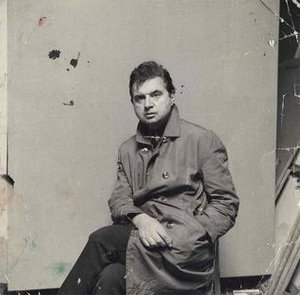
1909 - 1992 , Irlanda

Dive into the raw, visceral world of Figurative Expressionism. Explore how icons like Schiele and Bacon use bold textures and intense human forms to redefine modern aesthetics. Discover high-impact art that brings unapologetic energy and emotional depth to your contemporary space.


Rămâneți la curent cu cele mai recente știri din lumea artei, ofertele noastre exclusive și ideile de decor.
Spuneți-ne despre proiectul dumneavoastră, iar experții noștri în artă vă vor oferi 3 sugestii personalizate.
Vom selecta 3 opțiuni special pentru tine – Gratuit!


 Previzualizare
 Trimite
 Distribuie
 Detalii despre lucrare

 Descarcă
 Produse similare
 Radiografie
 Diapozitive automate
 Vezi mai mult







 Opțiunea cu sticlă este disponibilă doar pentru dimensiuni de sub 110 cm


