

Achiziționați o imagine digitală de înaltă rezoluție, îmbunătățită, mult superioară previzualizării online.
Fiecare fișier este pregătit cu meticulozitate de specialiștii noștri interni, utilizând instrumente avansate și retușare manuală expertă. Ne asigurăm că fiecare imagine beneficiază de o claritate excepțională, o acuratețe precisă a culorilor și detalii fine.
Fișierul final este livrat prin e-mail în termen de 72 de ore, optimizat pentru utilizare imediată în medii profesionale, editoriale și de imprimare. Aceasta este aceeași calitate în care au încredere studiouri de design, edituri și galerii de top.
Descărcați un fișier la rezoluție înaltă pentru afișare personală, imprimare și proiecte creative. ( Comandă printul Comandă pictură lucrată manual)
Când alegeți BuyPopArt.com, nu primiți doar o simplă imagine – primiți o operă de artă digitală îmbunătățită profesional, creată cu precizie și susținută de o garanție de satisfacție. Iată tot ceea ce primești odată cu comanda ta, în mod automat:

Fișierul imaginii digitale la rezoluție înaltă vă va fi trimis prin e-mail în termen de 72 de ore de la finalizarea comenzii – gata pentru utilizare imediată.

Opera ta de artă este optimizată profesional prin intermediul unor instrumente AI avansate și al editării manuale, asigurând un nivel maxim de detalii, claritate și acuratețe a culorilor.

Ai șters sau ai pierdut din greșeală fișierul? Nu îți face griji – ți-l vom retrimite oricând, gratuit.

Bucură-te instant de noua ta operă de artă, fără taxe vamale, taxe de import sau costuri de livrare – descărcările digitale sunt întotdeauna fără taxe.

Asigurăm o reflectare cât mai fidelă a culorilor originale în imaginea ta digitală, prin utilizarea unor instrumente profesionale și a proceselor de gestionare a culorii.

Dacă nu sunteți mulțumit de imaginea digitală achiziționată, o vom revizui sau vă vom returna 100% în termen de 60 de zile – fără nicio explicație necesară.

Nu ești mulțumit? Obține o rambursare completă în termen de 60 de zile de la primirea fișierului tău digital – fără întrebări.

Cumpără 3 imagini, economisește 10% - Cumpără 5, economisește 15% - Cumpără 10+, economisește 20%. Ideal pentru proiecte creative, galerii și agenții.
Georges Braque's "Flower Study," created in 1909, offers a captivating glimpse into the artist’s evolving approach to form and color during a pivotal moment in modern art. This deceptively simple black-and-white drawing—a piece often overlooked amidst his more celebrated Cubist works—reveals a quiet intensity and a profound engagement with the natural world. It's not merely a depiction of flowers; it’s an exploration of their essence, rendered through a masterful manipulation of line and shadow. The image presents a lily, its petals elegantly unfurling, positioned within a vase at the drawing’s upper left – a grounding element that anchors the composition. Scattered around are other blooms, some sharply defined, others softened by the artist's hand, creating an impression of depth and spatial ambiguity characteristic of Braque’s early explorations.
Born in Argenteuil, France, in 1882, Georges Braque's artistic journey began not with grand pronouncements of revolutionary style but with a deeply ingrained understanding of craft. His father was a house painter and decorator, providing him with an invaluable appreciation for materials, structure, and the subtle nuances of light and shadow – skills that would later inform his groundbreaking approach to Cubism. Initially following in his family’s trade, Braque's artistic spirit quickly asserted itself, leading him to formal training at the École des Beaux-Arts in Le Havre. This rigorous academic foundation, combined with his practical experience, proved crucial as he began to dismantle traditional notions of perspective and representation. His early years were marked by a close collaboration with Pablo Picasso, a relationship that profoundly shaped both artists’ development, particularly during their shared exploration of Cubism – a movement where the illusion of three-dimensionality was deliberately fractured.
The monochromatic nature of "Flower Study" is key to its impact. Braque frequently employed what he termed “greige”—a sophisticated blend of gray and beige—as his primary palette during this period, a deliberate choice that prioritized form and structure over vibrant color. This restrained approach allowed him to focus on the underlying geometry of the flowers and their arrangement within the vase. Notice how the petals are broken down into fragmented planes, suggesting multiple viewpoints simultaneously – a hallmark of Cubist principles. The careful rendering of texture, achieved through subtle variations in line weight and shading, adds a remarkable sense of realism despite the absence of color. The drawing’s overall effect is one of quiet contemplation, inviting the viewer to consider the flower not as a single object but as a collection of intersecting shapes and planes.
While often associated with radical abstraction, Braque’s early work retains a strong connection to the natural world. Flowers, in this context, represent beauty, fragility, and the cyclical nature of life – themes that resonated deeply within the artistic circles of Paris at the turn of the 20th century. The arrangement itself—the lily as a central focus, surrounded by other blooms—suggests an appreciation for harmony and balance. The drawing’s inherent stillness evokes a sense of peace and introspection, offering a moment of respite from the bustling energy of Parisian life. “Flower Study” is not simply a botanical illustration; it's a testament to Braque’s ability to capture the essence of beauty through careful observation and masterful technique – a quiet masterpiece that speaks volumes about the artist’s evolving vision.
Consider acquiring a high-quality reproduction of this evocative work. BuyPopArt offers meticulously crafted reproductions, ensuring you can bring the subtle nuances and profound beauty of Braque's "Flower Study" into your home or studio. Explore the artwork here.
Georges Braque, născut în Argenteuil, Franța, în 1882, a pornit într-un drum profund împletit cu peisajul în evoluție al artei moderne. Creșterea sa într-o familie de pictori și zugravi, precum și decoratori a instillat nu doar o măiestrie tehnică în utilizarea materialelor, ci și o apreciere timpurie pentru formă și structură. Deși inițial urmând exemplul tatălui său, Braque’s instinct artistic natural l-a condus curând la o pregătire formală la École des Beaux-Arts din Le Havre, marcând începutul călătoriei sale către a deveni unul dintre cei mai influenți pictori ai secolului XX. Această fundație – un amestec de meșteșug practic și studiu academic – s-a dovedit crucială pe măsură ce ulterior a deconstrucit și a reimaginat convențiile artistice tradiționale.
Mutându-se în Paris în 1902, Braque a continuat studiile la Académie Humbert, imersându-se în mediul artistic vibrant al orașului. Aici a întâlnit artiști precum Marie Laurencin și Francis Picabia, întărind conexiuni care au modelat dezvoltarea sa timpurie. Primele sale lucrări au reflectat influențele predominante ale Impresionismului și Post-Impresionismului, dar o întâlnire decisivă cu culorile îndrăznețe și libertatea expresivă a Fauvismului în 1905 a aprins o nouă direcție în explorarea sa artistică.
Adoptarea principiilor Fauvistice de către Braque – caracterizate prin culori intense, non-naturaliste și expresie emoțională – este exemplificată vivid în picturi precum The Patience. Această perioadă a văzut-l lucrând alături de artiști precum Henri Matisse și André Derain, experimentând cu palate vibrante și forme simplificate. Cu toate acestea, implicarea lui Braque cu Fauvismul nu a fost doar o imitație; el a infuzat-o cu o sensibilitate unică, temperând exuberanța necontrolată a mișcării cu o abordare mai restrânsă și analitică. Un punct de cotitură a sosit în 1907 cu expoziția retrospectivă a operelor lui Paul Cézanne. Accentul pus de Cézanne pe forme geometrice și perspective multiple a avut un impact profund asupra Braque, pregătind terenul pentru colaborarea sa revoluționară cu Pablo Picasso. Începând din 1908, acești doi titani ai artei au pornit împreună într-o perioadă intensă de schimburi intelectuale care au dat naștere Cubismului – un mișcare revoluționară care a sfidat concepțiile tradiționale despre reprezentare.
Împreună, Braque și Picasso au dezvoltat Cubismul analitic, descompunând obiectele în forme geometrice fragmentate și prezentându-le din mai multe perspective simultan. Lucrări precum Houses at L'Estaque demonstrează această fază timpurie, evidențiind o abatere radicală de la perspectiva convențională și un focus pe structura subiacentă a formelor. Paleta lor a devenit deliberat palidă, punând accent pe formă în detrimentul culorii, pentru a reprezenta totalitatea prezenței unui obiect, mai degrabă decât doar aspectul său.
Colaborarea dintre Braque și Picasso a continuat să depășească limitele expresiei artistice, conducând la dezvoltarea Cubismului sintetic în jurul anului 1912. Această fază a introdus *papier collé* – incorporarea de materiale din lumea reală, cum ar fi ziare, hârtie tapetată și țesături, în picturi. Această inovație a contestat ierarhia tradițională dintre pictură și sculptură, amestecând liniile dintre artă și viață.
Utilizarea pionieristică de către Braque a *papier collé* (pasted paper) a marcat un punct de cotitură semnificativ în evoluția sa artistică. Prin integrarea fragmentelor de obiecte din lumea reală în compozițiile sale, el a perturbat spațiul iluzionist al picturii tradiționale și a introdus un nou nivel de materialitate și textură.
După război, stilul lui Braque s-a dezvoltat dincolo de limitele stricte ale Cubismului timpuriu, incorporând elemente ale compoziției clasice și o nouă interes pentru natură moartă. În timp ce a păstrat influențele geometrice care au definit lucrarea sa timpurie, el a dezvoltat o abordare mai nuanțată și contemplativă a picturii. Pânzele sale mai târziu sunt caracterizate de atmosfera lor senină și armonii subtile de culoare. Pe tot parcursul carierei sale, Braque s-a angajat să exploreze principiile fundamentale ale formei, spațiului și reprezentării. A continuat să experimenteze cu diferite materiale și tehnici, depășind limitele expresiei artistice până la moartea sa în 1963. Moștenirea sa este imensă, modelând cursul artei moderne și inspirând generații întregi de pictori, sculptori și artiști colagiști.
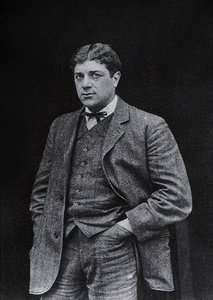
1882 - 1963 , Franța


Rămâneți la curent cu cele mai recente știri din lumea artei, ofertele noastre exclusive și ideile de decor.
Spuneți-ne despre proiectul dumneavoastră, iar experții noștri în artă vă vor oferi 3 sugestii personalizate.
Vom selecta 3 opțiuni special pentru tine – Gratuit!


 Previzualizare
 Trimite
 Distribuie
 Detalii despre lucrare

 Descarcă
 Produse similare
 Radiografie
 Diapozitive automate

 Vezi mai mult