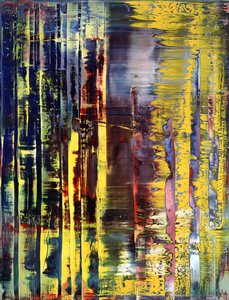
Acrylic On CanvasWallArtContemporary Realism
 1976Contemporary
 73.0 x 105.0 cm
Printuri giclée sau pe canvas de calitate muzeală, cu proces de producție rapid și opțiuni flexibile de finisare. ( Comandă pictură lucrată manual Cumpără imaginea)





























Alegeți dintre dimensiunile noastre prestabilite, care respectă proporțiile originale ale operei de artă.

Puteți introduce propriile dimensiuni pentru a se potrivi unui anumit cadru sau spațiu. Dacă dimensiunea selectată nu corespunde proporțiilor imaginii originale, vom decupa lucrarea de artă sau vom extinde imaginea cu margini oglindite sau cu o culoare uniformă. Un mockup digital va fi trimis pentru aprobarea dumneavoastră înainte de începerea producției.
Vă rugăm să rețineți că previzualizarea de pe ecran nu reflectă decuparea sau extinderea reală. Doar mockup-ul va arăta cu exactitate compoziția finală.
Deși dimensiunile personalizate sunt disponibile, vă recomandăm să selectați o dimensiune din lista predefinită pentru a păstra proporțiile originale.
Livrare în întreaga lume () în 2 săptămâni, în loc de cele 4/5 săptămâni standard. (14 August)


Vesuvius
Dimensiune reproducere
Gerhard Richter’s “Vesuvius,” painted in 1976, isn't merely a depiction of the Italian volcano; it’s an exploration of how memory shapes perception. Richter, deeply influenced by his formative years under Nazi Germany—a period characterized by displacement and uncertainty—employs his signature technique of layering semi-transparent squares of color onto a photographic print to achieve a mesmerizing effect.
Richter's fascination with photography stems from a profound belief that it possesses an inherent honesty—a quality he seeks to preserve while simultaneously transforming it into something new. He argues that photographs capture moments in time with unparalleled accuracy, yet they are inherently incomplete representations of experience. By reworking these images through color washes, Richter acknowledges this limitation but elevates them beyond mere documentation.
“The photograph,” Richter famously stated, “is not a copy; it’s an interpretation.”The subtle hues employed in “Vesuvius” aren't intended to convey literal representations of the volcano itself. Rather, they serve as conduits for emotion—a reflection of Richter’s own contemplative gaze upon the landscape. The colors evoke a sense of melancholy and quiet contemplation, mirroring the artist’s preoccupation with memory and loss.
While “Vesuvius” presents a visually striking panorama, its significance transcends mere visual pleasure. The volcano symbolizes both destructive power and regenerative potential—themes that resonate deeply within Richter's artistic worldview. He uses color to subtly suggest these ideas, inviting viewers to engage in an imaginative dialogue with the artwork.

1932 - , Germania

Explore the profound world of Gerhard Richter's abstract paintings. Discover his techniques, influences, and lasting impact on contemporary art – a guide for discerning collectors.
Explore the profound emotional depth of Mark Rothko's abstract expressionism. Discover the history, techniques & lasting impact of this pivotal Color Field painter. Expert insights for collectors and art enthusiasts.

Explorează impactul fascinant al iluminării asupra percepției în pictura abstractă contemporană. Analize detaliate, artiști pionieri și inspirație pentru colecționari pasionați. Descoperă arta abstractă la un nou nivel!
Explore the captivating landscape paintings of Stephen Chaplin, renowned for his 'Treatment in Minors' series & unique blend of Pop Art and historical realism. Discover his artistic journey & emotional depth.

Explore the captivating world of Beatrice Parsons, a pioneering British abstract expressionist. Discover her journey from garden watercolors to evocative color field paintings and learn about her place within art history.


Rămâneți la curent cu cele mai recente știri din lumea artei, ofertele noastre exclusive și ideile de decor.
Spuneți-ne despre proiectul dumneavoastră, iar experții noștri în artă vă vor oferi 3 sugestii personalizate.
Vom selecta 3 opțiuni special pentru tine – Gratuit!


 Previzualizare
 Trimite
 Distribuie
 Detalii despre lucrare

 Descarcă
 Produse similare
 Radiografie
 Diapozitive automate
 Vezi mai mult







 Opțiunea cu sticlă este disponibilă doar pentru dimensiuni de sub 110 cm