

Printuri giclée sau pe canvas de calitate muzeală, cu proces de producție rapid și opțiuni flexibile de finisare. ( Comandă pictură realizată manual Comută la imagine)





























Alegeți dintre dimensiunile noastre prestabilite, care respectă proporțiile originale ale operei de artă.

Puteți introduce propriile dimensiuni pentru a se potrivi unui anumit cadru sau spațiu. Dacă dimensiunea selectată nu corespunde proporțiilor imaginii originale, vom decupa lucrarea de artă sau vom extinde imaginea cu margini oglindite sau cu o culoare uniformă. Un mockup digital va fi trimis pentru aprobarea dumneavoastră înainte de începerea producției.
Vă rugăm să rețineți că previzualizarea de pe ecran nu reflectă decuparea sau extinderea reală. Doar mockup-ul va arăta cu exactitate compoziția finală.
Deși dimensiunile personalizate sunt disponibile, vă recomandăm să selectați o dimensiune din lista predefinită pentru a păstra proporțiile originale.
Livrare în întreaga lume () în 2 săptămâni, în loc de cele 4/5 săptămâni standard. (10 August)


Caryatids
Dimensiune reproducere
Germain Pilon's "Caryatids" – a pair of monumental sculptures depicting these iconic female figures supporting architectural weight – transcend mere representation; they embody the very spirit of Renaissance Florence. Crafted around 1560, during a period of burgeoning artistic innovation and fervent religious devotion, these works are not simply static forms but rather eloquent expressions of classical ideals interwoven with deeply felt human emotion. Pilon’s mastery lies in his ability to capture both the idealized beauty of antiquity and the subtle nuances of individual character within the rigid framework of Renaissance sculpture.
The sculptures themselves, carved from pristine white marble – a material prized for its luminosity and capacity to convey texture – present a striking visual narrative. The central Caryatid commands attention with her serene expression, a quiet dignity that speaks volumes despite the absence of overt gesture. Her drapery, rendered with meticulous detail, cascades in graceful folds, suggesting both movement and an underlying sense of repose. The two flanking figures, though smaller in scale, mirror this composure, creating a harmonious composition rooted in symmetry yet imbued with individual presence. The subtle use of gold leaf on the headdresses – a hallmark of Pilon’s style – provides a delicate contrast against the cool marble tones, drawing the eye and adding a touch of opulent splendor.
Pilon's "Caryatids" are firmly rooted in the artistic currents flowing from the prestigious workshop of Jean Goujon at the Château de Fontainebleau. This royal atelier, renowned for its revival of classical forms and techniques, profoundly influenced Pilon’s approach to sculpture. The influence is evident in the sculptures’ balanced proportions, their refined drapery – a hallmark of Fontainebleau style – and their overall sense of elegance and restraint. However, Pilon departs from a purely imitative stance, injecting his own distinctive sensibility into the work.
Technically, Pilon demonstrates an exceptional command of marble carving. The surfaces are remarkably smooth, yet retain a palpable sense of texture achieved through careful polishing and subtle variations in chisel marks. The drapery is particularly noteworthy for its fluidity and realism; each fold and pleat appears to possess a life of its own, conveying both the weight of the fabric and the movement of the figure beneath. The meticulous attention to anatomical detail – evident in the hands, feet, and torsos – speaks to Pilon’s deep understanding of human form.
The Caryatids themselves are not merely decorative elements; they carry profound symbolic weight. Originating as architectural supports for a monumental tomb, their function immediately connects them to themes of memory, eternity, and the passage of time. Within the context of 16th-century Florence, where powerful families commissioned elaborate funerary monuments to commemorate their deceased ancestors, these sculptures served as potent reminders of lineage and legacy. The bird motif adorning the headdresses – a recurring element in Pilon’s work – may symbolize freedom, divinity, or perhaps even the soul ascending to heaven.
Furthermore, Pilon's work reflects the broader cultural landscape of Renaissance Italy, where classical antiquity was experiencing a fervent revival. The rediscovery of Greek and Roman art and literature fueled a renewed interest in humanism, reason, and beauty. Pilon’s "Caryatids" embody these values, celebrating the ideal forms and harmonious proportions of the ancient world while simultaneously expressing the emotional depth and psychological complexity of the Renaissance spirit.
Germain Pilon's “Caryatids” remain a testament to the enduring power of classical art. Reproductions, meticulously crafted by skilled artisans using traditional techniques, offer an unparalleled opportunity to experience the beauty and grandeur of this iconic masterpiece. Whether adorning a grand salon or a private residence, these reproductions capture not only the visual splendor of the original sculptures but also the profound sense of history, symbolism, and emotional resonance that they evoke.
Sculpturile lui Germain Pilon stau ca monumente durabile ale spiritului Renașterii — o mărturie a inovației artistice, a virtuozității tehnice și a unei conexiuni profunde cu emoția umană.

1528 - 1590 , Franța

Explore the rich history of marble sculpture from antiquity to the Renaissance! Discover key techniques, influential artists & enduring themes in classical art. Expert insights for collectors and enthusiasts at BuyPopArt.

Explore the artistic revolution of the 16th-century Renaissance! Discover humanist ideals, groundbreaking techniques & iconic masterpieces by Raphael, Michelangelo & more. A deep dive into art history.
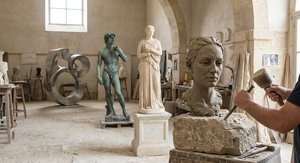
Explore the rich history of sculpture with BuyPopArt. Discover key techniques, influential artists & investment potential for discerning collectors. Expert insights into valuing and collecting timeless masterpieces.

Explore the rich history of sculpture from ancient masterpieces to contemporary innovations. Discover key techniques, influential artists & investment potential for discerning art collectors.

Discover the innovative terracotta glazing techniques of Luca della Robbia, a Renaissance master sculptor. Explore his iconic works, legacy, and collecting tips with BuyPopArt.


Rămâneți la curent cu cele mai recente știri din lumea artei, ofertele noastre exclusive și ideile de decor.
Spuneți-ne despre proiectul dumneavoastră, iar experții noștri în artă vă vor oferi 3 sugestii personalizate.
Vom selecta 3 opțiuni special pentru tine – Gratuit!


 Previzualizare
 Trimite
 Distribuie
 Detalii despre lucrare

 Descarcă
 Produse similare
 Radiografie
 Diapozitive automate


 Vezi mai mult







 Opțiunea cu sticlă este disponibilă doar pentru dimensiuni de sub 110 cm


