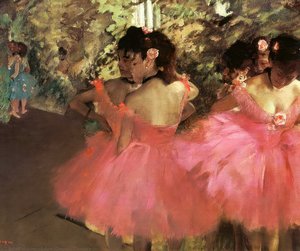
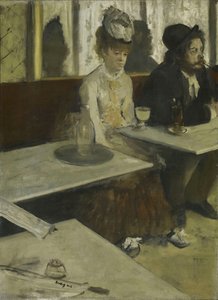
Acrilic pe pânzăArtă de pereteImpressionism
 1889Secolul al XIX-lea
 22.0 x 42.0 cm
Pictură în ulei pe pânză, pictată manual, la dimensiunea și ramele dorite de dumneavoastră, realizată la comandă de artiștii noștri. ( Comandă versiunea tipărită Comută pe imagine)
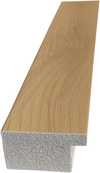
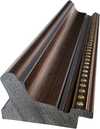
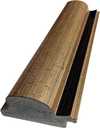
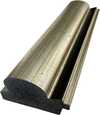
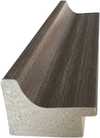
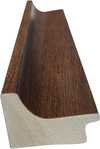
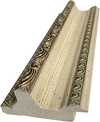
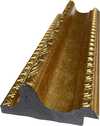
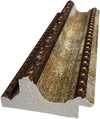
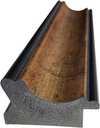
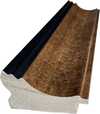
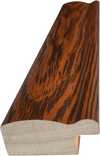


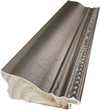
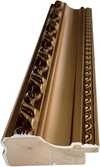
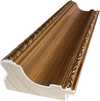
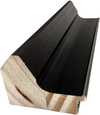
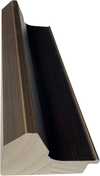
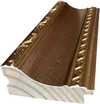
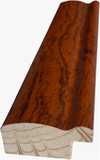
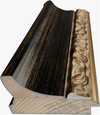
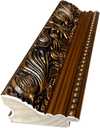
Alegeți dintre dimensiunile noastre prestabilite, care respectă proporțiile originale ale operei de artă.

Puteți introduce propriile dimensiuni pentru a se potrivi unui anumit cadru sau spațiu. Dacă dimensiunea selectată nu corespunde proporțiilor imaginii originale, vom decupa opera de artă sau vom extinde pictura cu elemente suplimentare pictate manual. O simulare digitală vă va fi trimisă pentru aprobare înainte de începerea producției.
Vă rugăm să rețineți că previzualizarea de pe ecran nu reflectă decuparea sau extinderea reală. Doar macheta va arăta cu exactitate compoziția finală.
Deși sunt disponibile dimensiuni personalizate, vă recomandăm să selectați o dimensiune din lista predefinită pentru a păstra proporțiile originale.
Livrare în întreaga lume () în 3/4 săptămâni, în loc de cele 5 săptămâni standard. (1 August). Fără compromisuri în ceea ce privește calitatea.


La Bărbăta
Dimensiune reproducere
Edgar Degas’ “The Ballet Class,” completed around 1874-1876, stands as a cornerstone of Impressionist art and a poignant glimpse into the world of ballet during its formative years. More than just a depiction of dancers practicing, it embodies Degas’s revolutionary approach to capturing fleeting moments and conveying psychological depth—a hallmark of his artistic vision.
The painting portrays Jules Perrot, a celebrated ballet master, instructing young dancers in the Hôtel de Choiseul. This setting was pivotal as ballet transitioned from romantic grandeur to a more realistic portrayal of performance life. Critics like Richard Mühlberger recognized Degas’s masterful execution, noting the meticulous attention to detail and the palpable sense of immediacy.
Degas’ technique—primarily oil painting—involved layering pigment onto canvas with remarkable precision. He meticulously observed his subjects, capturing not just their physical appearance but also their emotional state. The artist employed a subtle palette dominated by muted browns and creams, skillfully manipulating light to create an atmosphere of quiet contemplation.
Beyond its aesthetic qualities, “The Ballet Class” carries significant symbolic weight. Degas’s depiction of Perrot's stern gaze reflects the pressures faced by ballet dancers striving for perfection—a theme that resonates with viewers today. The inclusion of details like a fan and a girl scratching her back adds layers of narrative complexity, inviting contemplation on themes of aspiration, vulnerability, and the everyday realities of artistic endeavor.
Jill DeVonyar and Richard Kendall emphasize Degas’s fascination with movement and observation—a characteristic that distinguishes him from many of his contemporaries. He sought to convey not merely what he saw but also how it felt, capturing the essence of ballet as both a discipline and an art form. The painting's enduring appeal lies in its ability to transport us back to a moment in time while simultaneously exploring universal themes of human experience.
Photographs of "The Tub" reveal a masterful pastel artwork by Impressionist artist, Edgar Degas. It is currently housed in the Musée d'Orsay in Paris.
Moving away from the traditional depictions of nude women, usually in reference to Aphrodite or Venus, Degas provides a snapshot to the intimate activities among average women in their day to day life. The Japanese technique known as fukinuki yatai, or “blown off roof,” allows the viewer to see into the interior of a space from above. A masterwork of Degas, it skillfully combines still life of toilet articles with a distorted perspective and plunging view, make this pastel one of the most audacious and accomplished of Degas’ works.
The sculpture itself appears to be made of wax for the figure, plaster for the water and base, with additional elements like rags and possibly lead in the tub.
Measurements: 22 x 42 cm
Date: 1889

1834 - 1917 , Franța

Descoperă top 10 capodopere impresioniste de la Monet, Renoir și Degas! Explorează istoria artei impresioniste, culorile vibrante și tehnicile inovatoare. Reproduceri tablouri de calitate muzeală pe BuyPopArt.com.

Explore the rich history of domestic life in art! Discover Dutch Masters & Victorian painters who captured everyday moments with stunning realism. Uncover symbolism and lasting influence – a journey through intimate worlds.

Comandă picturi personalizate de lux realizate de artiști talentați! Portrete unicat după fotografie, tablouri handmade cu semnificație emoțională. Investește în artă care te definește și transformă spațiul tău.

Explore the rich history of genre painting – art that depicts everyday life. Discover Dutch Masters, hidden symbolism & its enduring influence on art history. Learn more at BuyPopArt.

Explore the nuanced world of pastel art! Discover its history, techniques & emotional power with expert insights from BuyPopArt.com. Find museum-quality reproductions and learn about collecting this delicate medium.


Rămâneți la curent cu cele mai recente știri din lumea artei, ofertele noastre exclusive și ideile de decor.
Spuneți-ne despre proiectul dumneavoastră, iar experții noștri în artă vă vor oferi 3 sugestii personalizate.
Vom selecta 3 opțiuni special pentru tine – Gratuit!


 Previzualizare
 Trimite
 Distribuie
 Detalii despre lucrare

 Descarcă
 Similare
 Radiografie
 Diaporama
 Vezi mai mult
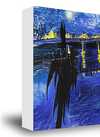
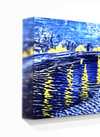
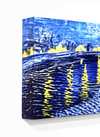
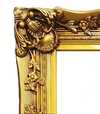
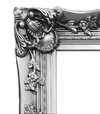
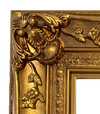
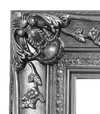
 Opțiunea cu sticlă este disponibilă doar pentru dimensiuni de sub 110 cm