
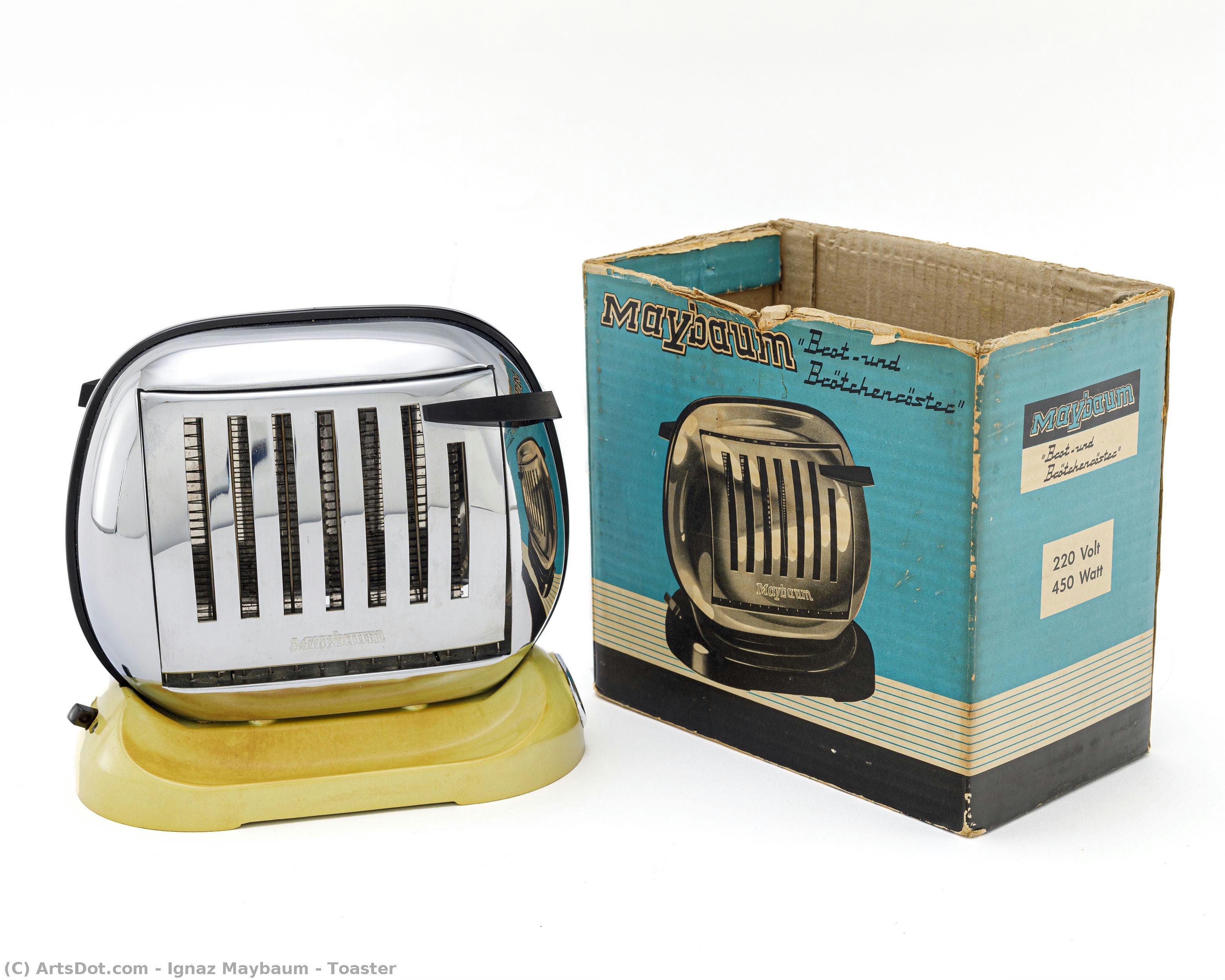
Pictură în ulei pe pânză, realizată manual de artiștii noștri la dimensiunea și ramele dorite de dumneavoastră, pe comandă. ( Cumpără print Cumpără imagine)
Alegeți dintre dimensiunile noastre prestabilite, care respectă proporțiile originale ale operei de artă.

Puteți introduce propriile dimensiuni pentru a se potrivi unui anumit cadru sau spațiu. Dacă dimensiunea selectată nu corespunde proporțiilor imaginii originale, vom decupa opera de artă sau vom extinde pictura cu elemente suplimentare pictate manual. O simulare digitală vă va fi trimisă pentru aprobare înainte de începerea producției.
Vă rugăm să rețineți că previzualizarea de pe ecran nu reflectă decuparea sau extinderea reală. Doar macheta va arăta cu exactitate compoziția finală.
Deși sunt disponibile dimensiuni personalizate, vă recomandăm să selectați o dimensiune din lista predefinită pentru a păstra proporțiile originale.
Livrare în întreaga lume () în 3-4 săptămâni, în loc de cele 5 săptămâni standard. (12 August). Fără compromisuri în ceea ce privește calitatea.


Toaster
Dimensiune reproducere
Born in Allentown, Pennsylvania, in 1897, John Berninger’s artistic journey began remarkably early. Picking up a brush at the tender age of fifteen, he quickly discovered a passion for oil painting that would define his life and career. While many artists find their voice later, Berninger established himself as a significant figure within American realism by his late twenties, a period marked by both stylistic evolution and a deep engagement with the changing social landscape of the United States.
The late 1890s were a pivotal time for art globally. The Impressionist movement had begun to wane, giving way to new explorations of form, color, and subject matter. Simultaneously, Realism continued its trajectory, seeking to depict everyday life with unflinching honesty. Berninger’s work reflects this confluence – he embraced the meticulous detail characteristic of realism while simultaneously absorbing influences from the burgeoning Symbolist movement, evident in his later, more atmospheric paintings. His early training at the Pennsylvania Academy of the Fine Arts and a brief stint at the National Academy of Design in New York City provided him with a solid foundation in traditional techniques, which he then skillfully adapted to express his unique vision.
Berninger’s artistic development can be traced through distinct phases. Initially, his work leaned heavily into the conventions of academic realism, characterized by precise rendering and a focus on portraiture. However, as he matured, he began to experiment with looser brushwork, brighter colors, and a greater emphasis on capturing mood and atmosphere. This shift is particularly noticeable in his landscapes and scenes of rural life, where he skillfully employed light and shadow to evoke a sense of place and time.
A key turning point in Berninger’s career was his move to Lambertville, New Jersey, in the 1930s. This relocation provided him with access to a vibrant artistic community and inspired a renewed interest in depicting the lives of ordinary people. His paintings from this period are often characterized by their intimate scale, detailed observation, and subtle emotional resonance. He wasn’t interested in grand narratives or heroic figures; instead, he found beauty and significance in the quiet moments of everyday existence – a farmer tending his fields, a woman washing clothes, children playing in the street.
While Berninger largely operated independently, it's clear that he was influenced by several key artistic currents. The works of Ivan Albright, particularly his explorations of decay and psychological states, resonate with Berninger’s later interest in portraying the complexities of human experience. Similarly, the paintings of George Bellows, known for their depictions of urban life and social commentary, share a similar commitment to realism and a keen awareness of contemporary issues. Furthermore, the rise of Neue Sachlichkeit in Europe – characterized by its objective observation and rejection of sentimentality – subtly informed Berninger’s approach to representing the world around him.
John Berninger's contribution to American art lies primarily in his unwavering commitment to realism. He wasn’t interested in creating idealized representations or imposing personal fantasies onto his subjects; instead, he sought to capture reality with honesty and empathy. His paintings offer a valuable glimpse into the lives of ordinary Americans during a period of significant social and economic change. Though perhaps not as widely celebrated as some of his contemporaries, Berninger's work continues to be appreciated for its technical skill, emotional depth, and quiet beauty. He stands as a testament to the power of observation and the enduring relevance of realism in art.

1897 - 1976 , Austria


Rămâneți la curent cu cele mai recente știri din lumea artei, ofertele noastre exclusive și ideile de decor.
Spuneți-ne despre proiectul dumneavoastră, iar experții noștri în artă vă vor oferi 3 sugestii personalizate.
Vom selecta 3 opțiuni special pentru tine – Gratuit!


 Previzualizare
 Trimite
 Distribuie
 Detalii despre lucrare

 Descarcă
 Produse similare
 Radiografie
 Diapozitive automate

 Vezi mai mult




































 Opțiunea cu sticlă este disponibilă doar pentru dimensiuni de sub 110 cm


