

 Acrylic On CanvasWallArtNeoclassical Movement
 High Medieval
 121.0 x 170.0 cm
Achiziționați o imagine digitală de înaltă rezoluție, îmbunătățită, mult superioară previzualizării online.
Fiecare fișier este pregătit cu meticulozitate de specialiștii noștri interni, utilizând instrumente avansate și retușare manuală expertă. Ne asigurăm că fiecare imagine beneficiază de o claritate excepțională, o acuratețe precisă a culorilor și detalii fine.
Fișierul final este livrat prin e-mail în termen de 72 de ore, optimizat pentru utilizare imediată în medii profesionale, editoriale și de imprimare. Aceasta este aceeași calitate în care au încredere studiouri de design, edituri și galerii de top.
Descărcați un fișier la rezoluție înaltă pentru afișare personală, imprimare și proiecte creative. ( Comandă printul Comandă pictură lucrată manual)
Când alegeți BuyPopArt.com, nu primiți doar o simplă imagine – primiți o operă de artă digitală îmbunătățită profesional, creată cu precizie și susținută de o garanție de satisfacție. Iată tot ceea ce primești odată cu comanda ta, în mod automat:

Fișierul imaginii digitale la rezoluție înaltă vă va fi trimis prin e-mail în termen de 72 de ore de la finalizarea comenzii – gata pentru utilizare imediată.

Opera ta de artă este optimizată profesional prin intermediul unor instrumente AI avansate și al editării manuale, asigurând un nivel maxim de detalii, claritate și acuratețe a culorilor.

Ai șters sau ai pierdut din greșeală fișierul? Nu îți face griji – ți-l vom retrimite oricând, gratuit.

Bucură-te instant de noua ta operă de artă, fără taxe vamale, taxe de import sau costuri de livrare – descărcările digitale sunt întotdeauna fără taxe.

Asigurăm o reflectare cât mai fidelă a culorilor originale în imaginea ta digitală, prin utilizarea unor instrumente profesionale și a proceselor de gestionare a culorii.

Dacă nu sunteți mulțumit de imaginea digitală achiziționată, o vom revizui sau vă vom returna 100% în termen de 60 de zile – fără nicio explicație necesară.

Nu ești mulțumit? Obține o rambursare completă în termen de 60 de zile de la primirea fișierului tău digital – fără întrebări.

Cumpără 3 imagini, economisește 10% - Cumpără 5, economisește 15% - Cumpără 10+, economisește 20%. Ideal pentru proiecte creative, galerii și agenții.
Jacques-Louis David’s “Patrocles,” painted in 1780 and now residing within the Musée Thomas-Henry in Cherbourg-en-Cotentin, France, is more than a mere depiction of a nude male form; it's a profound meditation on heroism, sacrifice, and the enduring power of classical ideals. This monumental work, rendered with David’s signature Neoclassical precision, immediately commands attention through its sheer scale – measuring 121 x 170 cm – and the arresting physicality of its central figure. The composition is strikingly simple yet profoundly effective: a powerfully built man lies prone on a rock, his back turned to the viewer, exposing an anatomy sculpted with meticulous detail and bathed in dramatic chiaroscuro lighting.
David’s artistic journey was one of deliberate transformation. Initially influenced by the opulent frivolity of Rococo painting under François Boucher, he sought a more rigorous aesthetic rooted in antiquity. This shift culminated in his embrace of Neoclassicism, a movement characterized by its reverence for ancient Greek and Roman art and architecture. “Patrocles” embodies this ethos perfectly, drawing inspiration from classical sculpture while simultaneously imbuing the subject with an intensely human drama. The pose itself—a deliberate echo of depictions of fallen heroes found in Roman statues—immediately evokes notions of stoicism, resilience, and ultimate sacrifice.
The painting’s technical brilliance lies in David's masterful manipulation of light and shadow, a technique he honed by studying the dramatic lighting employed by Caravaggio. The stark contrast between illuminated muscle mass and deep shadows creates an astonishing sense of volume and weight, lending the figure an almost sculptural quality. Notice how the light emphasizes the contours of his torso, highlighting the strength and power of his physique—a deliberate reference to the idealized male form celebrated in classical art. The subtle variations in tone suggest a complex understanding of anatomy and a keen eye for capturing the nuances of human musculature.
Beyond the technical prowess, David’s use of color is equally significant. The palette is restrained – primarily earthy tones of ochre, brown, and gray—further emphasizing the painting's classical austerity. This deliberate lack of vibrant hues reinforces the sense of timelessness and elevates the subject beyond mere physical beauty, suggesting instead a profound connection to enduring values.
“Patrocles” is not simply a nude study; it’s an illustration drawn from Homer's *Iliad*, depicting the legendary warrior Patroclus, Achilles’ dearest friend. The story recounts how Patroclus was killed in battle, and his body was subsequently desecrated by Hector of Troy. David’s painting captures the moment after death—a poignant depiction of vulnerability and acceptance. This narrative context adds layers of meaning to the image, transforming it into a meditation on mortality, loyalty, and the tragic consequences of war.
Painted during a period of significant social and political upheaval in France – just before the French Revolution – “Patrocles” reflects the era’s yearning for order, reason, and moral clarity. David's embrace of classical ideals offered a powerful antidote to the perceived excesses of the Rococo style and provided a visual vocabulary for expressing republican values. The painting served as a potent symbol of strength, virtue, and civic duty—qualities that resonated deeply with those seeking to establish a new order in France.
“Patrocles” stands as a cornerstone of Jacques-Louis David’s oeuvre and a defining example of Neoclassical art. Its influence can be seen in countless subsequent works, shaping the visual language of European painting for decades to come. The image's enduring appeal lies not only in its technical mastery but also in its profound exploration of human emotion and timeless themes. Today, reproductions of this powerful artwork offer a unique opportunity to experience the grandeur and intellectual depth of David’s vision—a testament to the lasting legacy of Neoclassicism.
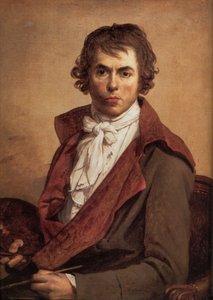
1748 - 1800 , Franța


Rămâneți la curent cu cele mai recente știri din lumea artei, ofertele noastre exclusive și ideile de decor.
Spuneți-ne despre proiectul dumneavoastră, iar experții noștri în artă vă vor oferi 3 sugestii personalizate.
Vom selecta 3 opțiuni special pentru tine – Gratuit!


 Previzualizare
 Trimite
 Distribuie
 Detalii despre lucrare

 Descarcă
 Produse similare
 Radiografie
 Diapozitive automate
 Vezi mai mult