Vinde opere de artă
x
PrevizualizarePrevizualizare Previzualizare ARPrevizualizare AR Comandă printul Comandă printulCumpără imaginea Cumpără imaginea TrimiteTrimite
Detalii despre lucrareDetalii despre lucrare Adaugă la favorite Adaugă la favorite DescarcăDescarcă Produse similareProduse similare RadiografieRadiografie Diapozitive automateDiapozitive automate

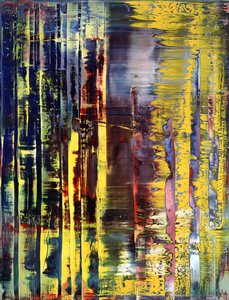
Sin Titlu

Descoperă pictura abstractă 'Sin Titlu' de Jesús Rafael Soto – o analiză detaliată despre tehnica geometrică și explorarea percepției senzoriale în arta venezuelană.

Jesús Rafael Soto (1923-2005) was a leading Venezuelan Op & Kinetic artist. Explore his innovative sculptures, paintings & 'Penetrables' that invite viewer participation and explore perception, movement, and energy. A key figure in 20th/21st century

Reproducere pictată manual în ulei

Pictură în ulei pe pânză, realizată manual de artiștii noștri la dimensiunea și ramele dorite de dumneavoastră, pe comandă. (Comandă printul Comandă printulCumpără imaginea Cumpără imaginea)

P118B $10
P118H $10
P118W $10
P438Z $10
P508JH $12
P508YH $12
P805H $10
P805Z $10
P919BZ $10
P919G $10
P919XJ $10
P959ZH $10
P968JZ $12
W106C $8
W218G $10
W218JH $8
W218Y $10
W307PJ $10
W316G $10
W316PJ $8
W316Y $10
W398PJ $8
W4111J $10
W500HY $15
W500JH $15
W692G $12
W849H $8
W940BG $15
W953PJ $8

Standard
custom
CM
INCH

Alegeți dintre dimensiunile noastre prestabilite, care respectă proporțiile originale ale operei de artă.

lățime
înălțime

Puteți introduce propriile dimensiuni pentru a se potrivi unui anumit cadru sau spațiu. Dacă dimensiunea selectată nu corespunde proporțiilor imaginii originale, vom decupa opera de artă sau vom extinde pictura cu elemente suplimentare pictate manual. O simulare digitală vă va fi trimisă pentru aprobare înainte de începerea producției.
Vă rugăm să rețineți că previzualizarea de pe ecran nu reflectă decuparea sau extinderea reală. Doar macheta va arăta cu exactitate compoziția finală.
Deși sunt disponibile dimensiuni personalizate, vă recomandăm să selectați o dimensiune din lista predefinită pentru a păstra proporțiile originale.

Exemple de elemente ce pot fi personalizate: Înlocuiți fața cu fotografia clientului; Adăugați un animal de companie (de exemplu, înlocuiți pisica cu un câine); Includeți un mesaj ascuns în fundal; Schimbați peisajul sau elementele din fundal.
După plasarea comenzii, echipa BuyPopArt.com va contacta clientul prin e-mail pentru instrucțiuni și îi va furniza o previzualizare a machetei

Livrare în întreaga lume () în 3-4 săptămâni, în loc de cele 5 săptămâni standard. (19 August). Fără compromisuri în ceea ce privește calitatea.

why_choose_icon
Livrare expres gratuită la nivel mondial
why_choose_icon
Pânză de in de înaltă calitate
why_choose_icon
Asigurare completă pentru transport
why_choose_icon
Garanție de rambursare a taxelor vamale
why_choose_icon
Garanția fidelității culorilor
why_choose_icon
Politica de retur în 60 de zile (doar pentru defecte)
why_choose_icon
Garanție de rambursare 100%
why_choose_icon
Ofertă pentru comenzi multiple

Preț total

$ 288

reproduction

Sin Titlu

Tehnică de reproducere

Dimensiune reproducere

-

Preț total calculat

$ 288

Informații rapide

  • Medium: Wire over canvas
  • Artist: Jesús Rafael Soto
  • Title: Sin título
  • Artistic style: Minimalist
  • Subject or theme: Visual perception
  • Notable elements or techniques: Geometric abstraction; Layered lines; Vibration illusion

Test de cultură artistică

Fiecare întrebare are un singur răspuns corect.

Întrebare 1:
What artistic movement is Jesús Rafael Soto’s ‘Sin título’ primarily associated with?
Întrebare 2:
The description highlights the use of intersecting black lines on a white background. What is the primary technique employed to achieve this visual effect?
Întrebare 3:
What was Jesús Rafael Soto’s innovative contribution to art beyond traditional painting surfaces?
Întrebare 4:
The Penetrables, described as monumental cube-like installations, aimed to engage the viewer in what type of experience?
Întrebare 5:
What material was predominantly used in the construction of Soto’s Penetrables?

Descriere operă de artă

Jesús Rafael Soto: A Pioneer of Kinetic Perception

Jesús Rafael Soto (June 5, 1923 – January 14, 2005) transcended conventional artistic boundaries, establishing himself as Venezuela’s foremost exponent of kinetic art and a visionary figure in the broader landscape of modernism. Born in Ciudad Bolívar, Venezuela—a city steeped in Andean heritage—Soto's formative years instilled within him an unwavering fascination for replicating iconic artworks encountered in books and periodicals, fostering a lifelong dedication to exploring the very essence of visual experience. This early passion would propel him toward a distinguished artistic career marked by groundbreaking experimentation and a profound engagement with innovative materials and methodologies.
  • Early Influences: Soto’s formative years were profoundly shaped by his father's musical pursuits, exposing him to the principles of rhythm and harmony—concepts that would later permeate his artistic endeavors. He honed his graphic design skills during his time at Escuela de Arte Simón Bolívar in Caracas, mastering visual communication techniques crucial for conveying complex ideas through simplified forms.
  • The Birth of Kinetic Art: Soto’s pivotal breakthrough arrived in the 1950s when he began to systematically employ wire over canvas or layered sheets of transparent plexiglass—a technique that deliberately disrupted traditional notions of flatness and invited active participation from the viewer. This pioneering approach directly responded to the burgeoning interest in industrial materials and spatial perception, aligning him squarely with the avant-garde currents shaping international art at the time.

“Sin título” – An Exploration of Geometric Abstraction “Sin título,” or “Untitled,” exemplifies Soto’s signature style—a mesmerizing geometric abstraction characterized by intersecting black lines on a pristine white background. This deceptively simple composition achieves remarkable depth and complexity through meticulous linear drawing, executed with precision using pen or brush. The absence of recognizable subject matter underscores the artwork's core purpose: to investigate fundamental visual principles rather than conveying explicit narrative content. It embodies the spirit of Constructivism and Minimalism, movements that championed clarity, geometric forms, and a deliberate rejection of illusionistic representation.
  • Technique & Materiality: Soto’s technique involved painstaking repetition—creating numerous overlapping lines to generate a textured surface that simulates movement and vibration. The use of wire over canvas was not merely aesthetic; it actively engaged the viewer's senses, prompting them to perceive subtle shifts in color and luminosity as they moved around the artwork.
  • Spatial Illusion & Sensory Engagement: The resulting installation creates an immersive experience—allowing visitors to physically navigate through the sculptural form, mirroring Soto’s earlier explorations of kinetic movement and perceptual distortion. This deliberate manipulation of space reinforces the artist's conviction that art should transcend passive observation, fostering a dynamic relationship between the artwork and its audience.

Symbolism & Conceptual Depth Despite its apparent simplicity, “Sin título” carries significant symbolic weight—representing Soto’s unwavering commitment to challenging established artistic conventions and redefining our understanding of visual perception. The stark contrast between black and white symbolizes purity and negation—a deliberate provocation designed to disrupt preconceived notions about color and form. Furthermore, the geometric grid embodies order and rationality—reflecting Soto's belief in the transformative power of mathematics and its ability to illuminate fundamental truths about the universe.

Legacy & Influence Jesús Rafael Soto’s enduring legacy extends far beyond his artistic creations—inspiring generations of artists to embrace experimentation and explore new frontiers of sensory experience. His pioneering work continues to resonate with contemporary audiences, demonstrating the timeless relevance of conceptual art and its capacity to provoke contemplation about the nature of perception itself. “Sin título” stands as a testament to Soto’s unwavering conviction that art should actively engage the viewer—creating a dialogue between form and feeling that transcends mere visual representation.


Biografie artist

The Architect of Motion: The Life and Vision of Jesús Rafael Soto

In the quiet streets of Ciudad Bolívar, Venezuela, a young boy once spent his hours meticulously recreating the masterpieces he encountered in magazines and almanacs. This early fascination with the transformative power of imagery was more than a childhood pastime; it was the genesis of a lifelong quest to dismantle the boundaries between the viewer and the viewed. Jesús Rafael Soto, born on June 5, 1923, would grow to become a titan of the Kinetic and Op Art movements, a man whose work did not merely sit upon a wall or stand upon a pedestal, but rather breathed, vibrated, and pulsed with an energy that demanded physical engagement.

Soto’s journey into the professional realm began with the vibrant, graphic world of cinema posters in his hometown. At sixteen, he was already mastering the principles of visual communication, a skill that would later underpin his ability to manipulate light and space. His formal education at the Escuela de Artes Plásticas y Artes Aplicadas in Caracas provided the academic rigor necessary to transition from graphic design to "pure art." Under the mentorship of influential figures like Antonio Edmundos Monsanto, Soto was introduced to a global dialogue of modernism, connecting him with a generation of Venezuelan masters including Carlos Cruz-Diez and Alejandro Otero. This period of intense study and connection laid the groundwork for his departure to Paris in 1951, a move that would catapult his experimental spirit onto the international stage.

The Alchemy of Perception and Material

As Soto’s career matured, he moved away from traditional representation toward a profound exploration of kinetic perception. He became an alchemist of industrial materials, finding poetic potential in the cold surfaces of metal, plexiglass, and nylon. His technique was revolutionary; by layering wire over canvas or superimposing transparent sheets, he created works that appeared to shimmer and oscillate even when the viewer remained still. These were not merely paintings but optical engines designed to trigger a physiological response—a rhythmic vibration that blurred the line between the object and the eye.

The true pinnacle of his sculptural innovation arrived with the Penetrables. Debuting in Caracas in 1968, these monumental installations represented a radical departure from the static nature of traditional sculpture. Constructed from cascading curtains of flexible nylon tubes, the Penetrables invited the public to step inside the artwork itself. To walk through a Penetrable was to lose oneself in a labyrinth of texture and light, where the movement of one's own body dictated the shifting patterns of the art. In these spaces, Soto achieved his ultimate goal: the dissolution of the barrier between the observer and the observed, turning the spectator into an active participant in the creation of the aesthetic experience.

A Lasting Legacy in the Modern Canon

The historical significance of Jesús Rafael Soto cannot be overstated. He was a central figure in a movement that redefined mid-twentieth-century art across South America and beyond, influencing how we perceive space, energy, and motion. His influence is etched into the very fabric of the world's most prestigious institutions, with his works residing in permanent collections such as:

  • The Museum of Modern Art (MoMA) in New York
  • Tate Modern in London
  • Centre Georges Pompidou in Paris
  • Museum Ludwig in Germany
  • Galleria Nazionale d'Arte Moderna in Rome

Beyond the museum walls, his legacy lives on through the Jesús Soto Museum of Modern Art in his beloved Ciudad Bolívar, a testament to his commitment to his roots and the democratization of art. When Soto passed away in 2005, he left behind more than just a catalog of masterpieces; he left a new way of seeing. He taught us that art is not a static entity to be contemplated from a distance, but a living, breathing phenomenon that exists in the dynamic intersection of light, movement, and human presence.

jesús rafael soto

jesús rafael soto

1923 - 2005

Detalii rapide

  • Artistic Movement Or Style: Op Art & Kinetic Art
  • Artists Or Movements Influenced By This Artist: Yaacov Agam, Jean Tinguely
  • Artists Who Influenced This Artist: Antonio Eduardo Monsanto
  • Date Of Birth: June 5, 1923
  • Date Of Death: January 14, 2005
  • Full Name: Jesús Rafael Soto
  • Nationality: Venezuelan
  • Notable Artworks:
    • Sin título
    • Mirror
    • Penetrables
  • Place Of Birth: Ciudad Bolívar, Venezuela
Explorați opere de artă organizate pe teme, stiluri și caracteristici.