

Pictură în ulei pe pânză, realizată manual de artiștii noștri la dimensiunea și ramele dorite de dumneavoastră, pe comandă. ( Comandă printul Cumpără imaginea)





























Alegeți dintre dimensiunile noastre prestabilite, care respectă proporțiile originale ale operei de artă.

Puteți introduce propriile dimensiuni pentru a se potrivi unui anumit cadru sau spațiu. Dacă dimensiunea selectată nu corespunde proporțiilor imaginii originale, vom decupa opera de artă sau vom extinde pictura cu elemente suplimentare pictate manual. O simulare digitală vă va fi trimisă pentru aprobare înainte de începerea producției.
Vă rugăm să rețineți că previzualizarea de pe ecran nu reflectă decuparea sau extinderea reală. Doar macheta va arăta cu exactitate compoziția finală.
Deși sunt disponibile dimensiuni personalizate, vă recomandăm să selectați o dimensiune din lista predefinită pentru a păstra proporțiile originale.
Livrare în întreaga lume () în 3-4 săptămâni, în loc de cele 5 săptămâni standard. (17 August). Fără compromisuri în ceea ce privește calitatea.


Two Fox Terriers
Dimensiune reproducere
In the heart of the nineteenth century, amidst the sweeping changes of the Victorian era, there emerged a painter whose brush captured the quiet, profound essence of the English landscape and its inhabitants. John Alfred Wheeler, born in 1821 in the tranquil town of Andover, England, possessed an artistic soul deeply rooted in the natural world. His life’s work serves as a window into a bygone age, offering a meticulous gaze upon the textures, light, and atmosphere of the British countryside. While his name may not resonate with the same immediate fame as some of his contemporaries, Wheeler’s dedication to remarkable realism has secured his place in the annals of art history, particularly within collections such as The Alfred East Art Gallery and The Munnings Art Museum.
Wheeler’s journey into the mastery of light and shadow began with a childhood spent wandering the rural landscapes of Hampshire. This early immersion in nature fostered a lifelong fascination with the subtle nuances of the environment—the way mist clings to a stable wall or how sunlight dances upon the coat of a resting animal. To refine this raw passion, he sought formal instruction at the prestigious Slade School of Fine Art in London. It was here that Wheeler honed his technical prowess, learning to navigate the complexities of composition and the delicate art of tonal gradation. His education provided him with the tools to transform mere observation into evocative storytelling, allowing him to bridge the gap between the physical world and emotional resonance.
The hallmark of Wheeler’s technique lies in his painstaking approach to detail, a quality that defines much of his most celebrated output. He did not merely paint subjects; he rendered them with an anatomical and textural precision that commanded respect. This commitment to realism is perhaps most striking in his ability to manipulate light to create mood. Whether working in the rich, earthy tones of oil on canvas or exploring the stark, dramatic possibilities of monochrome, Wheeler sought to imbue every scene with a sense of psychological depth.
His repertoire of subjects was as varied as it was soulful:
In these works, one can observe how Wheeler prioritized the atmosphere over mere documentation. His use of tonal painting allowed him to create spaces that felt inhabited and alive, where the silence of a stable or the movement of a pet could be felt by the viewer through the sheer weight of his brushwork.
As the nineteenth century progressed toward the industrialization of the English landscape, Wheeler’s work took on an even greater significance. He became a chronicler of a world that was beginning to shift, preserving the dignity of historical subjects and the tranquility of rural life through his precise lens. His ability to capture the character and spirit of his subjects—be they equine or human—ensured that his paintings functioned as more than just portraits; they were emotional archives of the Victorian era.
Though he passed away in 1903, leaving behind a legacy of meticulous craftsmanship, the influence of his observational style continues to be studied by those interested in the evolution of British landscape and animal painting. His work stands as a testament to the power of patience and the beauty found in the smallest details of the natural world, reminding us that true artistry lies in the ability to make the fleeting moment permanent.

1821 - 1903 , United Kingdom

Descoperă cele mai frumoase 25 de picturi ale lui Alfred James Munnings! Explorează capodoperele impresionismului britanic, scene rurale vibrante și arta ecvestră. Reproduceri de artă de calitate muzeală pentru decorul casei tale pe BuyPopArt.com
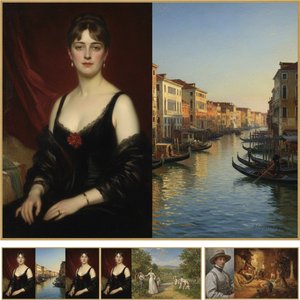
Descoperă cele mai frumoase 25 de picturi ale lui John Singer Sargent! Portrete elegante, acuarele rafinate și capodopere impresioniste. Află povestea fiecărei opere și găsește inspirație pentru decorul casei tale pe BuyPopArt.com.
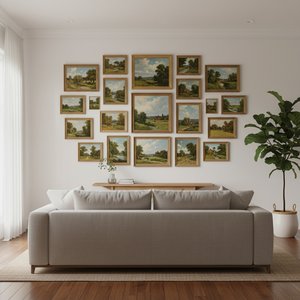
Descoperă cele mai frumoase 25 de picturi ale lui John Constable, maestru al peisajului englezesc! Explorează stilul romantic, Dedham Vale și capodopere precum The Hay Wain. Reproduceri artă clasică pentru decorul casei tale – BuyPopArt.com.

Explore the rich history & enduring techniques of oil painting on canvas. Discover the science behind its longevity, conservation practices, and contemporary relevance. Expert insights for art enthusiasts.

Explore the rich history & techniques of oil painting – from Renaissance masters to Impressionism. Discover pigments, layering methods, and why this timeless medium endures. Expert insights for artists & art enthusiasts.


Rămâneți la curent cu cele mai recente știri din lumea artei, ofertele noastre exclusive și ideile de decor.
Spuneți-ne despre proiectul dumneavoastră, iar experții noștri în artă vă vor oferi 3 sugestii personalizate.
Vom selecta 3 opțiuni special pentru tine – Gratuit!


 Previzualizare
 Trimite
 Distribuie
 Detalii despre lucrare

 Descarcă
 Produse similare
 Radiografie
 Diapozitive automate
 Vezi mai mult







 Opțiunea cu sticlă este disponibilă doar pentru dimensiuni de sub 110 cm


