

Printuri giclée sau pe canvas de calitate muzeală, cu proces de producție rapid și opțiuni flexibile de finisare. ( Comandă pictură realizată manual Comută la imagine)





























Alegeți dintre dimensiunile noastre prestabilite, care respectă proporțiile originale ale operei de artă.

Puteți introduce propriile dimensiuni pentru a se potrivi unui anumit cadru sau spațiu. Dacă dimensiunea selectată nu corespunde proporțiilor imaginii originale, vom decupa lucrarea de artă sau vom extinde imaginea cu margini oglindite sau cu o culoare uniformă. Un mockup digital va fi trimis pentru aprobarea dumneavoastră înainte de începerea producției.
Vă rugăm să rețineți că previzualizarea de pe ecran nu reflectă decuparea sau extinderea reală. Doar mockup-ul va arăta cu exactitate compoziția finală.
Deși dimensiunile personalizate sunt disponibile, vă recomandăm să selectați o dimensiune din lista predefinită pentru a păstra proporțiile originale.
Livrare în întreaga lume () în 2 săptămâni, în loc de cele 4/5 săptămâni standard. (10 August)


The Valley Farm
Dimensiune reproducere
John Constable’s “The Valley Farm,” painted in 1835, isn't merely a depiction of a rural scene; it’s an immersive experience, a carefully constructed meditation on light, landscape, and the quiet dignity of everyday life. This oil-on-canvas masterpiece, now residing within the hallowed halls of Tate Britain, offers a profound glimpse into Constable’s revolutionary approach to painting – one that prioritized feeling and observation over rigid academic rules. The scene unfolds in what is now known as Constable Country, specifically along the River Stour in Suffolk, a region intimately connected with the artist's life and artistic development.
At first glance, “The Valley Farm” presents a deceptively simple composition: a modest farmhouse nestled within a verdant valley, framed by rolling hills and the shimmering expanse of the river. However, beneath this apparent tranquility lies a complex interplay of light and shadow, meticulously rendered with Constable’s signature loose brushwork. He wasn't interested in creating photographic realism; instead, he sought to capture the *impression* of the landscape – its atmosphere, its mood, its inherent beauty. Notice how the sunlight filters through the clouds, casting dappled patterns across the fields and illuminating the thatched roof of the farmhouse with a warm, golden glow. This masterful use of light is central to Constable’s style, transforming a commonplace scene into something extraordinary.
To fully appreciate “The Valley Farm,” it's crucial to understand its place within the broader context of the 19th-century English landscape movement – the Hudson River School. While geographically distant, this movement shared a common spirit with Constable’s work: a deep reverence for nature and a rejection of neoclassical formality. The Hudson River School, centered in New York, focused on capturing the grandeur of the American wilderness, while Constable, rooted in the heart of rural England, similarly sought to portray the beauty and serenity of his native landscape. Both movements were profoundly influenced by Romanticism, an artistic and intellectual movement that emphasized emotion, imagination, and individualism.
Constable’s connection to Suffolk is undeniable. He spent much of his life in this region, drawing inspiration from its rolling hills, meandering rivers, and picturesque villages. “The Valley Farm” isn't simply a representation of a specific place; it’s an embodiment of Constable’s deep affection for his homeland. The painting feels intensely personal, as if the artist himself is standing on the banks of the River Stour, capturing its beauty with his brush.
The central figure in “The Valley Farm” – a man rowing a small boat across the water – adds another layer of narrative to the scene. This seemingly simple detail is far from arbitrary; it’s a deliberate choice by Constable, intended to evoke a sense of human connection with nature. The rower, dressed in a vibrant red jacket, appears to be engaged in a leisurely activity, enjoying the tranquility of the valley. He represents humanity's ability to find solace and contentment within the natural world.
The presence of other figures – a group standing near the farmhouse and others further away – suggests a community connected by shared land and livelihood. The painting subtly hints at the rhythms of rural life, the daily routines of farming and fishing, and the close-knit relationships that bind people together. The horse grazing in the foreground adds to this sense of pastoral harmony.
Constable’s technique is characterized by its spontaneity and immediacy. He employed a loose, expressive brushstroke, allowing the paint to flow freely across the canvas. This approach was revolutionary for his time, as it departed from the meticulous detail favored by many of his contemporaries. Constable's use of color is equally striking – he relied on subtle gradations of tone and hue to create a sense of depth and atmosphere. The painting’s palette is dominated by greens, blues, and browns, reflecting the colors of the English countryside.
“The Valley Farm” stands as a testament to Constable's artistic genius and his profound understanding of landscape painting. It remains one of the most beloved works in the Tate Britain collection, inspiring generations of artists and art lovers alike. Reproductions of this iconic piece offer a remarkable opportunity to bring its serene beauty into your own home, capturing the essence of rural England and the timeless appeal of Constable’s vision.
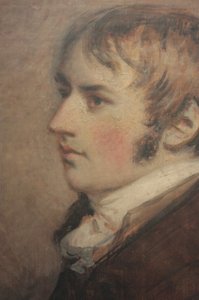
1776 - 1837 , Regatul Unit al Marii Britanii și Irlandei
Descoperă cele mai frumoase 25 de picturi ale lui John Constable, maestru al peisajului englezesc! Explorează stilul romantic, Dedham Vale și capodopere precum The Hay Wain. Reproduceri artă clasică pentru decorul casei tale – BuyPopArt.com.

Descoperă 10 capodopere romantice iconice de Caspar David Friedrich, Turner și alți maeștri. Explorează istoria artei, emoțiile din peisaje și găsește tablouri canvas perfecte pentru decorul tău pe BuyPopArt.com!
Descoperă top 10 capodopere artistice cu peisaje, de la Monet și Van Gogh la picturi impresioniste. Află poveștile din spatele fiecărei opere și găsește inspirație pentru decorul casei tale! Reproduceri tablouri de calitate superioară pe BuyPopArt.com.
Descoperă cele mai frumoase 25 de picturi ale lui John Singer Sargent! Portrete elegante, acuarele rafinate și capodopere impresioniste. Află povestea fiecărei opere și găsește inspirație pentru decorul casei tale pe BuyPopArt.com.

Explore the life & art of John Constable, the Romantic painter who revolutionized landscape with emotive scenes of rural England. Discover his techniques, legacy, and key works – perfect for collectors & enthusiasts.


Rămâneți la curent cu cele mai recente știri din lumea artei, ofertele noastre exclusive și ideile de decor.
Spuneți-ne despre proiectul dumneavoastră, iar experții noștri în artă vă vor oferi 3 sugestii personalizate.
Vom selecta 3 opțiuni special pentru tine – Gratuit!


 Previzualizare
 Trimite
 Distribuie
 Detalii despre lucrare

 Descarcă
 Produse similare
 Radiografie
 Diapozitive automate

 Vezi mai mult







 Opțiunea cu sticlă este disponibilă doar pentru dimensiuni de sub 110 cm


