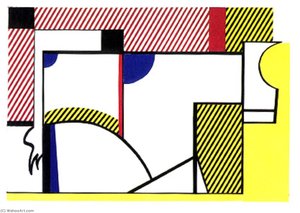
2020
2020 6.0 x 10.0 cm
 Islamic Museum of Australia
Achiziționați o imagine digitală de înaltă rezoluție, îmbunătățită, mult superioară previzualizării online.
Fiecare fișier este pregătit cu meticulozitate de specialiștii noștri interni, utilizând instrumente avansate și retușare manuală expertă. Ne asigurăm că fiecare imagine beneficiază de o claritate excepțională, o acuratețe precisă a culorilor și detalii fine.
Fișierul final este livrat prin e-mail în termen de 72 de ore, optimizat pentru utilizare imediată în medii profesionale, editoriale și de imprimare. Aceasta este aceeași calitate în care au încredere studiouri de design, edituri și galerii de top.
Descărcați un fișier la rezoluție înaltă pentru afișare personală, imprimare și proiecte creative. ( Comandă printul Comandă pictură lucrată manual)
Când alegeți BuyPopArt.com, nu primiți doar o simplă imagine – primiți o operă de artă digitală îmbunătățită profesional, creată cu precizie și susținută de o garanție de satisfacție. Iată tot ceea ce primești odată cu comanda ta, în mod automat:

Fișierul imaginii digitale la rezoluție înaltă vă va fi trimis prin e-mail în termen de 72 de ore de la finalizarea comenzii – gata pentru utilizare imediată.

Opera ta de artă este optimizată profesional prin intermediul unor instrumente AI avansate și al editării manuale, asigurând un nivel maxim de detalii, claritate și acuratețe a culorilor.

Ai șters sau ai pierdut din greșeală fișierul? Nu îți face griji – ți-l vom retrimite oricând, gratuit.

Bucură-te instant de noua ta operă de artă, fără taxe vamale, taxe de import sau costuri de livrare – descărcările digitale sunt întotdeauna fără taxe.

Asigurăm o reflectare cât mai fidelă a culorilor originale în imaginea ta digitală, prin utilizarea unor instrumente profesionale și a proceselor de gestionare a culorii.

Dacă nu sunteți mulțumit de imaginea digitală achiziționată, o vom revizui sau vă vom returna 100% în termen de 60 de zile – fără nicio explicație necesară.

Nu ești mulțumit? Obține o rambursare completă în termen de 60 de zile de la primirea fișierului tău digital – fără întrebări.

Cumpără 3 imagini, economisește 10% - Cumpără 5, economisește 15% - Cumpără 10+, economisește 20%. Ideal pentru proiecte creative, galerii și agenții.
Born in 1965 in Bristol, England, Damien Hirst is undeniably one of the most controversial and commercially successful artists of his generation. Initially associated with the Young British Artists (YBAs) movement of the early 1990s – a group that shook the foundations of the art world with its audaciousness and challenge to established norms – Hirst has since forged a singular, often unsettling, artistic path. His work frequently grapples with themes of death, religion, consumerism, and the very nature of representation, pushing boundaries and provoking intense debate about the role of art in contemporary society.
Hirst’s early influences were remarkably diverse. Growing up in a working-class neighborhood, he developed an appreciation for both classical art through visits to the Bristol Museum & Art Gallery and the gritty realities of his surroundings. This juxtaposition informed his later work, often blending elements of traditional artistic techniques with shocking subject matter. He studied at Goldsmiths College in London, where he encountered artists like Gary Hume and Sarah Charlesworth, who encouraged a spirit of experimentation and critical engagement with art’s conventions. Crucially, Hirst's relationship with the collector Charles Saatchi proved pivotal, providing him with unprecedented access to galleries, collectors, and ultimately, enormous financial support that allowed him to realize his ambitious projects.
Hirst’s breakthrough came in 1991 with *Spin Paintings*, a series of brightly colored resin paintings created by pouring acrylic paint onto canvases coated with sugar. These works, initially dismissed as gimmicky, established Hirst's fascination with the accidental and the sublime – a core tenet of his artistic philosophy. However, it was his exploration of death that truly cemented his reputation. Works like *The Physical Impossibility of Death in the Mind of Someone Living* (1994-95), featuring a preserved tiger shark suspended in formaldehyde, became instantly iconic and sparked immediate controversy.
This series, along with subsequent pieces involving dissected animals – sheep, cows, bulls – demonstrated Hirst’s willingness to confront mortality head-on. He wasn't simply depicting death; he was actively engaging with it, presenting the unsettling reality of decay and preservation within a carefully controlled aesthetic framework. The use of formaldehyde, a preservative often associated with medical procedures, further amplified the work’s chilling effect. These pieces weren’t intended to be beautiful in the traditional sense, but rather to force viewers to confront their own anxieties about mortality and the fragility of life.
While his early works were often perceived as shock tactics, Hirst's artistic practice has evolved considerably over time. He’s moved beyond simply presenting dead animals, incorporating a wider range of media including spot paintings (works covered in thousands of tiny dots), neon sculptures, video installations, and even performance art. His “Spot Paintings,” for example, are not merely decorative; they represent a complex meditation on the nature of perception and the illusion of reality – a concept deeply rooted in his earlier explorations of accidental beauty.
Crucially, Hirst’s success has been inextricably linked to the dynamics of the art market. He deliberately cultivated an aura of exclusivity and scarcity, often producing limited editions of his works at exorbitant prices. This strategy, combined with his provocative subject matter and celebrity status, created a frenzy among collectors, driving up demand and solidifying his position as one of the wealthiest artists in the world. This has led to ongoing debates about the ethics of art investment and the role of money in shaping artistic value.
Damien Hirst remains a deeply divisive figure within the art world. Critics often accuse him of exploiting shock value for commercial gain, reducing complex philosophical ideas to mere spectacle. However, his influence on contemporary art is undeniable. He has challenged traditional notions of beauty, representation, and the role of the artist, forcing viewers to confront uncomfortable truths about death, consumerism, and the nature of reality.
Despite the controversy surrounding his work, Hirst’s impact extends beyond the gallery walls. His willingness to push boundaries and engage in open dialogue has sparked critical conversations about art's purpose and its relationship to society. His legacy is not simply defined by his market success but also by his sustained provocation of thought and his enduring challenge to established artistic conventions.

1965 - , Lebanon


Rămâneți la curent cu cele mai recente știri din lumea artei, ofertele noastre exclusive și ideile de decor.
Spuneți-ne despre proiectul dumneavoastră, iar experții noștri în artă vă vor oferi 3 sugestii personalizate.
Vom selecta 3 opțiuni special pentru tine – Gratuit!


 Previzualizare
 Trimite
 Distribuie
 Detalii despre lucrare

 Descarcă
 Produse similare
 Radiografie
 Diapozitive automate
 Vezi mai mult