AcrylicWallArtPrimitive Surrealism
 1956
1956 47.0 x 63.0 cm
Printuri giclée sau pe canvas de calitate muzeală, cu proces de producție rapid și opțiuni flexibile de finisare. ( Cumpără pictură lucrată manual Cumpără imagine)





























Alegeți dintre dimensiunile noastre prestabilite, care respectă proporțiile originale ale operei de artă.

Puteți introduce propriile dimensiuni pentru a se potrivi unui anumit cadru sau spațiu. Dacă dimensiunea selectată nu corespunde proporțiilor imaginii originale, vom decupa lucrarea de artă sau vom extinde imaginea cu margini oglindite sau cu o culoare uniformă. Un mockup digital va fi trimis pentru aprobarea dumneavoastră înainte de începerea producției.
Vă rugăm să rețineți că previzualizarea de pe ecran nu reflectă decuparea sau extinderea reală. Doar mockup-ul va arăta cu exactitate compoziția finală.
Deși dimensiunile personalizate sunt disponibile, vă recomandăm să selectați o dimensiune din lista predefinită pentru a păstra proporțiile originale.
Livrare în întreaga lume () în 2 săptămâni, în loc de cele 4/5 săptămâni standard. (12 August)


David
Dimensiune reproducere
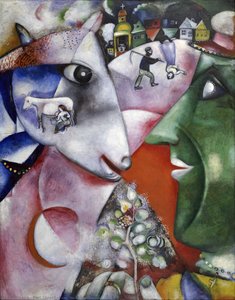
Marc Chagall’s “David,” painted in 1956, isn't merely a depiction of biblical grandeur; it’s an embodiment of Chagall’s lifelong preoccupation with dreams and recollections—a visual distillation of Vitebsk itself. The painting captures a solitary blue bird perched atop a branch laden with verdant leaves, its gaze directed towards the viewer, establishing an immediate connection between the natural world and the contemplative spirit.
Chagall's artistic approach aligns powerfully with the tenets of naive art, or primitivism. Rejecting academic conventions and striving for an unfiltered expression of emotion, he eschewed meticulous realism in favor of a stylized visual language characterized by flattened perspectives and simplified forms. The vibrant color palette—dominantly blues and greens—is applied with loose, expressive brushstrokes that convey movement and spontaneity. These techniques prioritize feeling over precise representation, mirroring the artist’s own internal landscape.
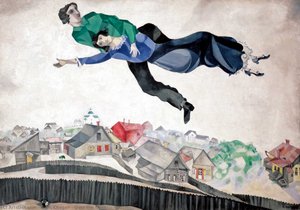
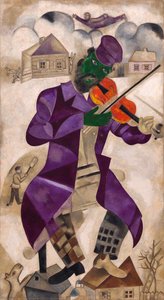
“David” is inextricably linked to Chagall’s formative years in Vitebsk, Belarus—a town steeped in the traditions of both Russian Orthodox Christianity and Hasidic Judaism. This duality profoundly shaped his artistic vision, informing his recurring motifs of flying figures, representing aspiration and transcendence, alongside depictions of animals imbued with spiritual significance. The artist's engagement with Jewish folklore reflects a desire to preserve cultural memory amidst the upheavals of the Soviet era.
The central figure—the blue bird—serves as a potent symbol of hope and spiritual renewal. Its posture suggests contemplation and observation, inviting the viewer to share in Chagall’s meditative gaze. The branch and leaves represent stability and connection to nature, anchoring the bird's symbolic journey within a familiar earthly realm. These elements coalesce into a harmonious composition that speaks to themes of innocence, faith, and the enduring power of imagination.
"David" encapsulates the essence of Chagall's artistic philosophy—a commitment to conveying profound emotional truths through a deceptively simple visual language. The painting exudes a dreamlike atmosphere, transporting the viewer into Chagall’s inner world where logic yields to intuition and memory reigns supreme. Ultimately, it stands as a testament to his ability to distill complex spiritual ideas into evocative imagery, securing its place among the most cherished works of 20th-century art.
1887 - 1985 , Білорусь

Descoperă cele mai emblematice 25 de opere ale lui Marc Chagall! Explorează poveștile, simbolismul și culorile vibrante din tablourile sale iconice. Reproduceri artă de calitate muzeală & inspirație decor pe BuyPopArt.com.

Descoperă top 10 picturi celebre dominate de nuanțe subtile de albastru! Explorează poveștile din spatele capodoperelor Monet, Renoir și Van Gogh. Inspirație decor interior & reproducere tablouri pe BuyPopArt.com
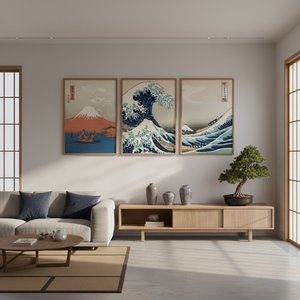
Descoperă cele mai frumoase 25 de opere de artă semnate de Katsushika Hokusai, maestru ukiyo-e. Explorează istoria valului Kanagawa și a picturilor japoneze iconice. Reproduceri de calitate muzeală pentru decorul casei tale pe BuyPopArt.com!
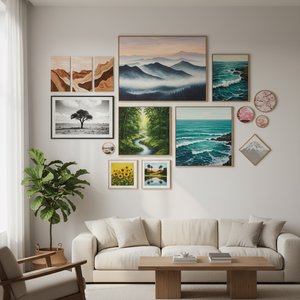
Descoperă top 10 capodopere artistice cu peisaje, de la Monet și Van Gogh la picturi impresioniste. Află poveștile din spatele fiecărei opere și găsește inspirație pentru decorul casei tale! Reproduceri tablouri de calitate superioară pe BuyPopArt.com.

Descoperă 10 capodopere romantice iconice de Caspar David Friedrich, Turner și alți maeștri. Explorează istoria artei, emoțiile din peisaje și găsește tablouri canvas perfecte pentru decorul tău pe BuyPopArt.com!


Rămâneți la curent cu cele mai recente știri din lumea artei, ofertele noastre exclusive și ideile de decor.
Spuneți-ne despre proiectul dumneavoastră, iar experții noștri în artă vă vor oferi 3 sugestii personalizate.
Vom selecta 3 opțiuni special pentru tine – Gratuit!


 Previzualizare
 Trimite
 Distribuie
 Detalii despre lucrare

 Descarcă
 Produse similare
 Radiografie
 Diapozitive automate
 Vezi mai mult







 Opțiunea cu sticlă este disponibilă doar pentru dimensiuni de sub 110 cm