Printuri giclée sau pe canvas de calitate muzeală, cu proces de producție rapid și opțiuni flexibile de finisare. ( Cumpără pictură lucrată manual Cumpără imagine)





























Alegeți dintre dimensiunile noastre prestabilite, care respectă proporțiile originale ale operei de artă.

Puteți introduce propriile dimensiuni pentru a se potrivi unui anumit cadru sau spațiu. Dacă dimensiunea selectată nu corespunde proporțiilor imaginii originale, vom decupa lucrarea de artă sau vom extinde imaginea cu margini oglindite sau cu o culoare uniformă. Un mockup digital va fi trimis pentru aprobarea dumneavoastră înainte de începerea producției.
Vă rugăm să rețineți că previzualizarea de pe ecran nu reflectă decuparea sau extinderea reală. Doar mockup-ul va arăta cu exactitate compoziția finală.
Deși dimensiunile personalizate sunt disponibile, vă recomandăm să selectați o dimensiune din lista predefinită pentru a păstra proporțiile originale.
Livrare în întreaga lume () în 2 săptămâni, în loc de cele 4/5 săptămâni standard. (12 August)


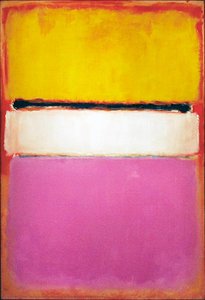
Untitled (18)
Dimensiune reproducere
Mark Rothko’s “Untitled (18),” a painting shrouded in mystery yet profoundly resonant, stands as a cornerstone of Abstract Expressionism and a testament to the power of color to evoke complex emotional states. Created around 1948, this work embodies Rothko's signature style – vast fields of luminous color stacked vertically, creating an almost architectural presence on the canvas. It’s not merely a painting; it’s an invitation to contemplate the depths of human experience, a journey into realms of anxiety, introspection, and ultimately, a fragile sense of peace.
The photograph reveals a scene both unsettling and strangely compelling. A solitary figure, seemingly male, kneels on the ground, his hands clasped tightly over his head – an immediate gesture of distress or perhaps profound contemplation. Around him swirl other figures: one brandishing a knife, another bearing a bowl upon their head, elements that immediately introduce layers of symbolic interpretation. These aren’t simply decorative additions; they contribute to a narrative of disruption and the struggle for meaning within a chaotic world. The inclusion of trees, cacti, and a bird – rendered with a muted, almost dreamlike quality – anchors the scene in a naturalistic setting while simultaneously highlighting its surreal and emotionally charged atmosphere.
Rothko's technique was deliberately reductive. He eschewed traditional brushwork, opting instead for layers of thin paint applied with meticulous care to create the illusion of depth and luminosity. The colors – predominantly deep blues, greens, and reds – are not blended but rather juxtaposed, allowing them to bleed into one another subtly. This creates a vibrating effect, as if the canvas itself is alive with energy. He famously described his process as “making a stain,” emphasizing the importance of the material qualities of paint and its ability to evoke feeling directly. The scale of the painting – an unknown size but undeniably imposing – further intensifies this immersive experience, enveloping the viewer in a sea of color.
Crucially, Rothko wasn’t interested in depicting recognizable forms or narratives. Instead, he sought to create what he called “feeling” – pure emotional expression communicated through the interaction of color and shape. His work is deeply rooted in his belief that art should transcend representation and tap directly into the viewer's subconscious. The absence of a clear subject allows for individual interpretation; each observer brings their own experiences and emotions to bear on the painting, forging a unique connection with the artwork.
Born in Latvia in 1903, Mark Rothko's early life was marked by displacement and upheaval – experiences that profoundly shaped his artistic vision. His family’s journey to America, followed by the tragic loss of his father, instilled within him a deep sensitivity to themes of mortality, trauma, and the search for meaning. This existential angst permeates much of his work, particularly during the post-World War II era. “Untitled (18)” can be viewed as an embodiment of this struggle – a visual representation of the anxieties and uncertainties that characterized the period.
Rothko’s work gained prominence within the Abstract Expressionist movement, alongside artists like Jackson Pollock and Willem de Kooning. However, he deliberately distanced himself from the more overtly gestural styles of his contemporaries, focusing instead on creating a meditative space for contemplation. His later years were marked by a growing disillusionment with the commercialization of art, culminating in his decision to donate his paintings to museums rather than sell them for profit. “Untitled (18)” stands as a poignant reminder of this commitment to artistic integrity and the profound emotional depth that fueled Rothko’s extraordinary career.
“Untitled (18)” continues to captivate viewers with its enigmatic beauty and unsettling power. It's a painting that demands attention, inviting us to slow down, breathe deeply, and confront our own emotions. Reproductions offer a remarkable opportunity to experience this work’s immersive quality in one’s own space, bringing Rothko’s profound vision into the heart of the home. BuyPopArt offers meticulously crafted hand-painted reproductions that faithfully capture the luminosity, depth, and emotional resonance of this iconic masterpiece – allowing you to connect with its timeless message.
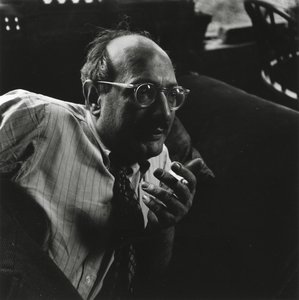
1903 - 1970 , Letonia
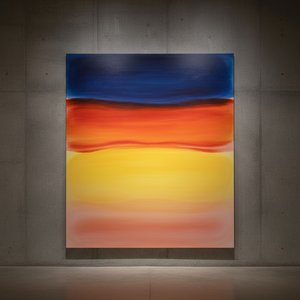
Explore the profound emotional depth of Mark Rothko's abstract expressionism. Discover the history, techniques & lasting impact of this pivotal Color Field painter. Expert insights for collectors and art enthusiasts.

Explorează profunzimea picturii abstracte contemporane! Ghid expert despre artiști cheie, tehnici inovatoare și fundamentele filosofice. Investiții inteligente & inspirație decorativă pe BuyPopArt.
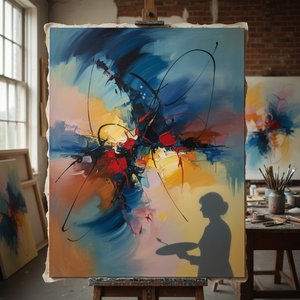
Explore the captivating world of Beatrice Parsons, a pioneering British abstract expressionist. Discover her journey from garden watercolors to evocative color field paintings and learn about her place within art history.

Explore the profound world of Color Field painting with BuyPopArt. Discover key artists like Rothko & Newman, its philosophical roots, and lasting impact on modern art. Expert insights for collectors.

Explore the profound spiritual resonance of Color Field Painting with insights into Rothko, Newman & Still. Discover the techniques & legacy of this influential abstract art movement.


Rămâneți la curent cu cele mai recente știri din lumea artei, ofertele noastre exclusive și ideile de decor.
Spuneți-ne despre proiectul dumneavoastră, iar experții noștri în artă vă vor oferi 3 sugestii personalizate.
Vom selecta 3 opțiuni special pentru tine – Gratuit!


 Previzualizare
 Trimite
 Distribuie
 Detalii despre lucrare

 Descarcă
 Produse similare
 Radiografie
 Diapozitive automate
 Vezi mai mult







 Opțiunea cu sticlă este disponibilă doar pentru dimensiuni de sub 110 cm