

Achiziționați o imagine digitală de înaltă rezoluție, îmbunătățită, mult superioară previzualizării online.
Fiecare fișier este pregătit cu meticulozitate de specialiștii noștri interni, utilizând instrumente avansate și retușare manuală expertă. Ne asigurăm că fiecare imagine beneficiază de o claritate excepțională, o acuratețe precisă a culorilor și detalii fine.
Fișierul final este livrat prin e-mail în termen de 72 de ore, optimizat pentru utilizare imediată în medii profesionale, editoriale și de imprimare. Aceasta este aceeași calitate în care au încredere studiouri de design, edituri și galerii de top.
Descărcați un fișier la rezoluție înaltă pentru afișare personală, imprimare și proiecte creative. ( Cumpără print Cumpără pictură lucrată manual)
Când alegeți BuyPopArt.com, nu primiți doar o simplă imagine – primiți o operă de artă digitală îmbunătățită profesional, creată cu precizie și susținută de o garanție de satisfacție. Iată tot ceea ce primești odată cu comanda ta, în mod automat:

Fișierul imaginii digitale la rezoluție înaltă vă va fi trimis prin e-mail în termen de 72 de ore de la finalizarea comenzii – gata pentru utilizare imediată.

Opera ta de artă este optimizată profesional prin intermediul unor instrumente AI avansate și al editării manuale, asigurând un nivel maxim de detalii, claritate și acuratețe a culorilor.

Ai șters sau ai pierdut din greșeală fișierul? Nu îți face griji – ți-l vom retrimite oricând, gratuit.

Bucură-te instant de noua ta operă de artă, fără taxe vamale, taxe de import sau costuri de livrare – descărcările digitale sunt întotdeauna fără taxe.

Asigurăm o reflectare cât mai fidelă a culorilor originale în imaginea ta digitală, prin utilizarea unor instrumente profesionale și a proceselor de gestionare a culorii.

Dacă nu sunteți mulțumit de imaginea digitală achiziționată, o vom revizui sau vă vom returna 100% în termen de 60 de zile – fără nicio explicație necesară.

Nu ești mulțumit? Obține o rambursare completă în termen de 60 de zile de la primirea fișierului tău digital – fără întrebări.

Cumpără 3 imagini, economisește 10% - Cumpără 5, economisește 15% - Cumpără 10+, economisește 20%. Ideal pentru proiecte creative, galerii și agenții.
Mark Rothko's "Untitled 48" isn’t a painting that demands immediate, literal interpretation. Instead, it invites a prolonged engagement, a quiet contemplation of color and form as they wrestle with fundamental human experiences. Born in 1903 amidst the anxieties of a Jewish family in Latvia—a landscape marked by displacement and political unrest—Rothko carried within him a profound sensitivity to suffering, a theme that would become a recurring motif throughout his career. This early environment instilled a deep awareness of the complexities of existence, shaping his artistic vision long before he began exploring the luminous fields of color that would define his mature style. “Untitled 48” feels like a distillation of this inner world—a visual echo of the emotional turbulence and searching spirit that fueled his creative process.
The work exists as a study, or perhaps an early iteration, of Rothko’s later color field paintings. It's characterized by loose, gestural lines and washes of layered paint, creating a dynamic composition that eschews traditional notions of perspective and focal points. The canvas isn’t dominated by a single image; rather, it presents a dense visual field—a chaotic yet strangely harmonious arrangement of amorphous shapes and muted colors. The horizontal band at the bottom acts as a grounding element, dividing the space while simultaneously suggesting an underlying structure, punctuated by vertical forms that emerge from its base.
Rothko’s palette in “Untitled 48” is deliberately restrained—a symphony of grays, browns, creams, and subtle pinks. These earthy tones are punctuated by flashes of red and blue, creating a delicate balance between warmth and coolness. The application of paint itself is crucial to understanding the work's character. It appears remarkably quick and spontaneous, as if Rothko were driven by an urgent impulse rather than meticulously planned composition. The texture is layered and uneven—a testament to the use of washes and scribbled marks that contribute to a sense of roughness and immediacy. The technique suggests a deliberate rejection of polished surfaces, favoring instead a raw, tactile quality.
Notice how Rothko doesn’t attempt to define the shapes within these color fields; they remain ambiguous, almost dissolving into one another. This lack of precision is intentional—Rothko sought to evoke an emotional response rather than create representational images. The suggestion of facial features – fleeting glimpses of eyes and mouths – adds a layer of psychological complexity, hinting at suppressed emotions or hidden identities. These fragments are not portraits in the traditional sense but rather symbolic representations of the human condition.
“Untitled 48” is often interpreted as an exploration of anxiety, tension, and perhaps even psychological turmoil. The chaotic lines and fragmented forms resonate with a sense of inner conflict—a feeling that Rothko himself experienced throughout his life. His early experiences in Latvia, marked by displacement and loss, undoubtedly informed this emotional landscape. The work can be seen as a visual manifestation of the existential questions he grappled with: mortality, trauma, and the persistent search for meaning in a seemingly indifferent universe. It’s not a comfortable painting; it demands engagement and invites viewers to confront their own anxieties and uncertainties.
Rothko's early work, like "Untitled 48," predates his signature color field paintings, leaning towards Expressionism with its emphasis on gestural marks and subjective expression. The piece’s influence can also be seen in the work of Cindy Sherman, particularly her “Untitled Film Stills” series, which shares a similar interest in exploring identity through fragmented imagery and theatrical presentation. The painting's enduring power lies in its ability to tap into universal human emotions—a testament to Rothko’s profound understanding of the complexities of the inner world.
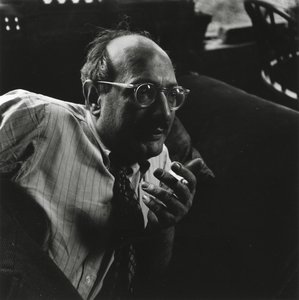
1903 - 1970 , Letonia


Rămâneți la curent cu cele mai recente știri din lumea artei, ofertele noastre exclusive și ideile de decor.
Spuneți-ne despre proiectul dumneavoastră, iar experții noștri în artă vă vor oferi 3 sugestii personalizate.
Vom selecta 3 opțiuni special pentru tine – Gratuit!


 Previzualizare
 Trimite
 Distribuie
 Detalii despre lucrare

 Descarcă
 Produse similare
 Radiografie
 Diapozitive automate

 Vezi mai mult