Printuri giclée sau pe canvas de calitate muzeală, cu proces de producție rapid și opțiuni flexibile de finisare. ( Cumpără pictură lucrată manual Cumpără imagine)





























Alegeți dintre dimensiunile noastre prestabilite, care respectă proporțiile originale ale operei de artă.

Puteți introduce propriile dimensiuni pentru a se potrivi unui anumit cadru sau spațiu. Dacă dimensiunea selectată nu corespunde proporțiilor imaginii originale, vom decupa lucrarea de artă sau vom extinde imaginea cu margini oglindite sau cu o culoare uniformă. Un mockup digital va fi trimis pentru aprobarea dumneavoastră înainte de începerea producției.
Vă rugăm să rețineți că previzualizarea de pe ecran nu reflectă decuparea sau extinderea reală. Doar mockup-ul va arăta cu exactitate compoziția finală.
Deși dimensiunile personalizate sunt disponibile, vă recomandăm să selectați o dimensiune din lista predefinită pentru a păstra proporțiile originale.
Livrare în întreaga lume () în 2 săptămâni, în loc de cele 4/5 săptămâni standard. (12 August)


Untitled (8)
Dimensiune reproducere
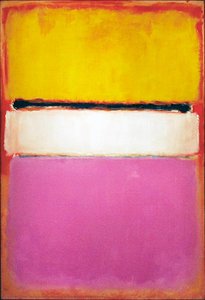
Mark Rothko’s “Untitled (8)” isn't merely a painting; it’s an invitation to a profound, almost meditative experience. Born into a world shadowed by displacement – his childhood in Latvia marked by the anxieties of a Jewish family amidst political unrest – Rothko carried within him a deep sensitivity to human suffering, a theme that would become a cornerstone of his artistic vision. This early exposure shaped his approach to color, transforming it from simple representation into a vehicle for conveying complex emotions and existential questions. “Untitled (8)” embodies this philosophy perfectly, presenting a landscape not of form or detail, but of pure, resonant hue.
Created in 1949, “Untitled (8)” is a quintessential example of Rothko’s Color Field painting style. Rejecting traditional representation, he employed large, rectangular blocks of color – predominantly red, blue, and punctuated by subtle yellow tones – that seem to float within the canvas. This technique, radical for its time, moved away from illusionistic depth and perspective, instead focusing on the direct impact of color itself. Rothko wasn’t interested in depicting a scene; he sought to evoke an atmosphere, a feeling. The absence of brushstrokes or discernible texture further emphasizes this effect, creating a sense of luminous flatness that draws the viewer into the painting's emotional core.
The deliberate use of these primary colors – red, blue, and yellow – is not arbitrary. Rothko believed that color possessed an inherent power to communicate directly with the subconscious. Red, often associated with passion, energy, and even danger, dominates the left side of the canvas, creating a sense of intensity. The cool blues on the right offer a contrasting counterpoint, suggesting tranquility, introspection, or perhaps melancholy. The subtle yellow in the center acts as a bridge between these opposing forces, hinting at moments of harmony and balance.
Rothko's work emerged during a period of significant artistic upheaval following World War II. Abstract Expressionism, with its emphasis on individual emotion and spontaneous gesture, was gaining prominence in the United States. However, Rothko pushed this movement further, stripping away all traces of personal style and focusing solely on the elemental qualities of color. His paintings weren’t about self-expression; they were about creating a shared experience for the viewer – an encounter with something beyond the rational mind.
Considered alongside works like “Untitled 142” (a monumental Color Field painting embodying somber hues and existential contemplation) or “Untitled” (1953), Rothko’s approach to color became increasingly profound. The influence of his early life, marked by loss and displacement, is palpable in the paintings' quiet intensity and their exploration of themes like mortality and the search for meaning. His later work, particularly the murals created for the Rothko Chapel in Houston, solidified this vision, creating a space dedicated to contemplation and spiritual reflection.
“Untitled (8)” remains one of Mark Rothko’s most iconic works, captivating viewers with its simple yet profound beauty. Its enduring appeal lies not in its representational qualities but in its ability to evoke a wide range of emotions – from serenity and contemplation to sadness and longing. Reproductions by BuyPopArt offer an exceptional opportunity to experience this powerful artwork firsthand, bringing Rothko’s vision into your home or office space. The careful attention to color fidelity and the masterful rendering of texture ensure that these reproductions capture the essence of the original painting, allowing you to engage with its emotional depth in a meaningful way.
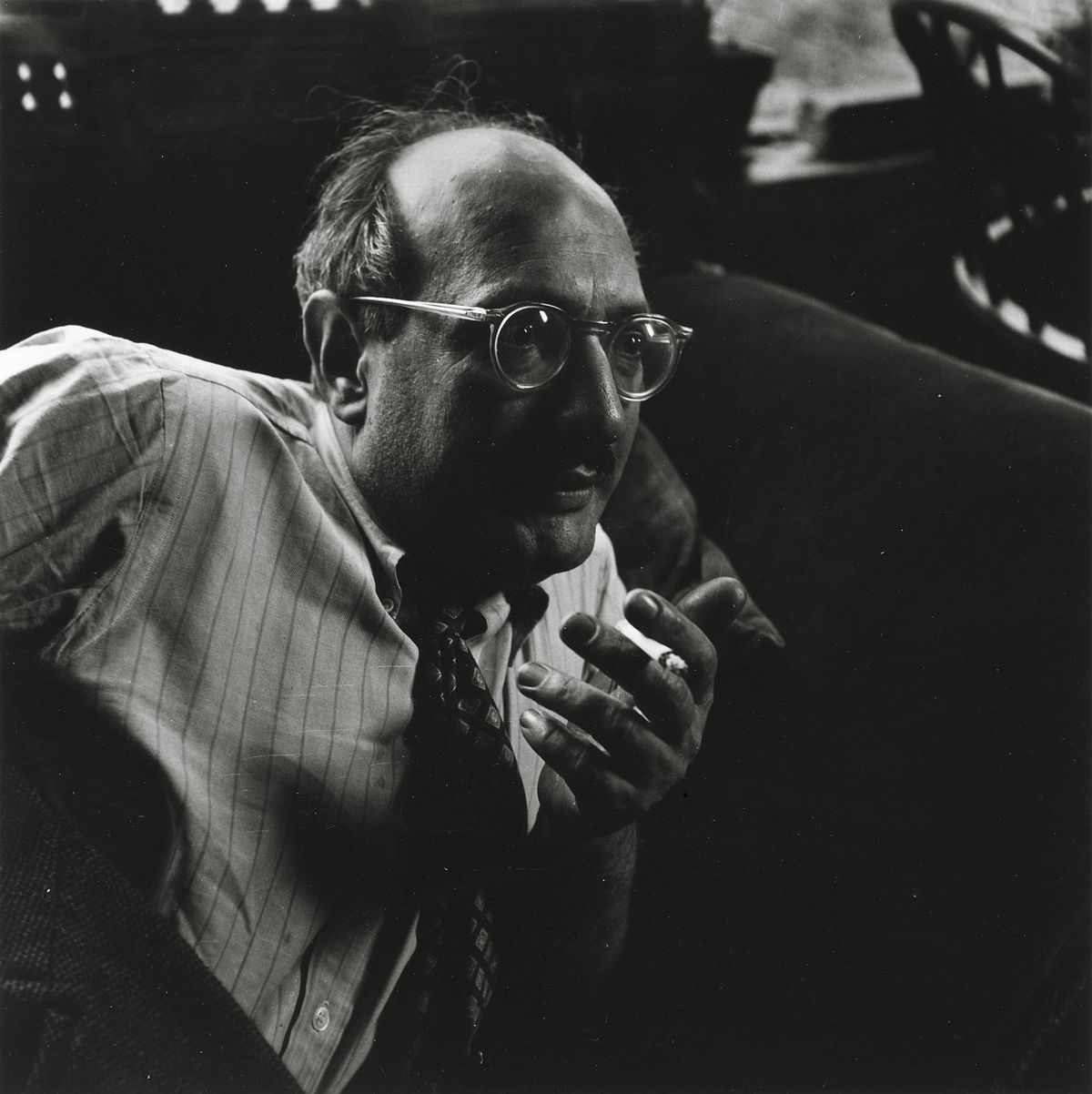
1903 - 1970 , Letonia

Master the high-impact world of contemporary abstraction. Discover how bold colors, textures, and modern movements like Abstract Expressionism can transform your space with premium, high-energy art curated for the design-conscious professional.

Elevate your space with bold water landscapes and deep blue textures. Discover trending abstract art, from sculptural textiles to premium oil reproductions, designed to bring high-impact, liquid vibes to modern urban interiors.

Master the power of Color Field painting. Discover how bold, immersive color transforms modern spaces through this expert guide to one of art's most impactful movements. Elevate your interior design with high-impact, contemporary abstract aesthetics.


Rămâneți la curent cu cele mai recente știri din lumea artei, ofertele noastre exclusive și ideile de decor.
Spuneți-ne despre proiectul dumneavoastră, iar experții noștri în artă vă vor oferi 3 sugestii personalizate.
Vom selecta 3 opțiuni special pentru tine – Gratuit!


 Previzualizare
 Trimite
 Distribuie
 Detalii despre lucrare

 Descarcă
 Produse similare
 Radiografie
 Diapozitive automate
 Vezi mai mult







 Opțiunea cu sticlă este disponibilă doar pentru dimensiuni de sub 110 cm