Ulei pe pânzăArtă pentru peretePost-Impressionism
 1866Evul Mediu Târziu
 167.0 x 105.0 cm
 Chrysler Museum of Art
Printuri giclée sau pe canvas de calitate muzeală, cu proces de producție rapid și opțiuni flexibile de finisare. ( Comandă pictură lucrată manual Cumpără imaginea)





























Alegeți dintre dimensiunile noastre prestabilite, care respectă proporțiile originale ale operei de artă.

Puteți introduce propriile dimensiuni pentru a se potrivi unui anumit cadru sau spațiu. Dacă dimensiunea selectată nu corespunde proporțiilor imaginii originale, vom decupa lucrarea de artă sau vom extinde imaginea cu margini oglindite sau cu o culoare uniformă. Un mockup digital va fi trimis pentru aprobarea dumneavoastră înainte de începerea producției.
Vă rugăm să rețineți că previzualizarea de pe ecran nu reflectă decuparea sau extinderea reală. Doar mockup-ul va arăta cu exactitate compoziția finală.
Deși dimensiunile personalizate sunt disponibile, vă recomandăm să selectați o dimensiune din lista predefinită pentru a păstra proporțiile originale.
Livrare în întreaga lume () în 2 săptămâni, în loc de cele 4/5 săptămâni standard. (19 August)


Bather and Rocks
Dimensiune reproducere
Paul Cézanne's "Bather and Rocks," a captivating fragment salvaged from a monumental mural conceived during his time in southern France, offers an immediate and powerful encounter. More than just a depiction of a nude figure, it’s a distilled essence of Cézanne’s revolutionary approach to painting – a deliberate rejection of academic conventions in favor of capturing the fundamental structure of reality. Painted in 1866, this piece embodies his evolving exploration of form, color, and light, foreshadowing the burgeoning movements that would follow. The scene unfolds with an almost violent energy; the heavily muscled nude, seemingly poised on a precarious rock formation, confronts a colossal, looming boulder, as if battling against the relentless force of rushing water. This isn’t a tranquil pastoral scene; it's imbued with a sense of struggle and dynamism – a testament to Cézanne’s desire to represent not just what he saw, but how he *felt* about what he saw.
It’s crucial to understand that “Bather and Rocks” exists as a fragment of something far grander. At the time of its creation, Cézanne was transforming the walls of an 18th-century mansion into a vast landscape – a project that reflected his fascination with the natural world and his ambition to synthesize observation and imagination. The mural’s eventual dismantling in 1907, and subsequent sale of this particular section, underscores the artist's deliberate choice to isolate this powerful image. This detachment, however, doesn’t diminish its impact; rather, it concentrates the energy and intensity of Cézanne’s vision, allowing viewers to contemplate the figure and the rock in a more intimate way. The fact that it was removed from its original context adds an element of mystery – we are left with a tantalizing glimpse into a larger, unfinished world.
Cézanne’s technique is immediately recognizable and profoundly influential. He employed a method of building up forms through small, broken brushstrokes—often applied in parallel directions—creating an illusion of solidity and depth. Notice how he uses planes of color to define the rock face, layering hues to suggest volume and texture. The water itself isn't rendered with smooth transitions; instead, it’s depicted as a series of overlapping strokes, conveying its movement and force. This deliberate fragmentation of form – a hallmark of Cézanne’s style – paved the way for Cubism and profoundly impacted 20th-century art. The use of oil on canvas, transferred from plaster, highlights the tactile quality of his work, inviting us to imagine the artist's hands shaping the image directly onto the surface.
While seemingly simple in its composition, “Bather and Rocks” is rich with symbolic potential. The nude figure can be interpreted as a representation of humanity confronting nature – a struggle for survival, perhaps, or an assertion of strength against overwhelming forces. The rock itself acts as both obstacle and support, symbolizing resilience and the enduring power of the natural world. The painting’s emotional impact is undeniably visceral; it evokes feelings of awe, vulnerability, and a deep connection to the elemental forces of nature. Cézanne wasn't simply depicting a scene; he was conveying an experience – a profound meditation on the relationship between man and his environment.
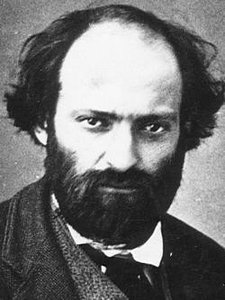
1839 - 1906 , Franța
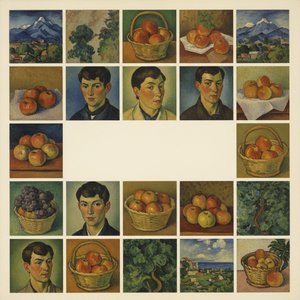
Descoperă cele mai frumoase 25 de capodopere Paul Cézanne! Explorează istoria, tehnicile și semnificația picturilor impresioniste iconice. Reproduceri artă de calitate muzeală & inspirație decor interioară pe BuyPopArt.com.
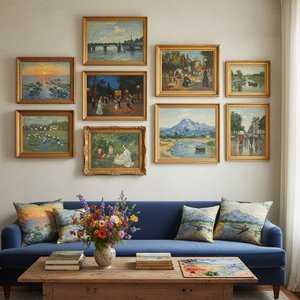
Descoperă top 10 capodopere impresioniste care au revoluționat arta! Monet, Manet, Renoir și alți maeștri ai peisajului. Reproduceri de tablouri de calitate muzeală pentru un decor inspirat. Explorează colecția completă pe BuyPopArt.com!
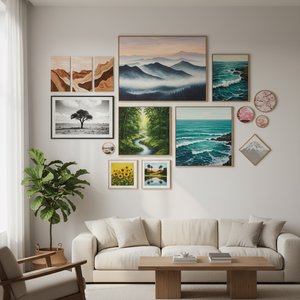
Descoperă top 10 capodopere artistice cu peisaje, de la Monet și Van Gogh la picturi impresioniste. Află poveștile din spatele fiecărei opere și găsește inspirație pentru decorul casei tale! Reproduceri tablouri de calitate superioară pe BuyPopArt.com.
Explore the rich history of landscape art with BuyPopArt. Discover renowned artists, movements like Impressionism & Romanticism, and expert guidance for collecting timeless pieces. Find your perfect serene escape today!

Explore the rich history of landscape art with BuyPopArt. Discover renowned artists, movements like Impressionism & tonalism, and expert guidance for collecting timeless pieces. Find your perfect serene escape today!


Rămâneți la curent cu cele mai recente știri din lumea artei, ofertele noastre exclusive și ideile de decor.
Spuneți-ne despre proiectul dumneavoastră, iar experții noștri în artă vă vor oferi 3 sugestii personalizate.
Vom selecta 3 opțiuni special pentru tine – Gratuit!


 Previzualizare
 Trimite
 Distribuie
 Detalii despre lucrare

 Descarcă
 Produse similare
 Radiografie
 Diapozitive automate
 Vezi mai mult







 Opțiunea cu sticlă este disponibilă doar pentru dimensiuni de sub 110 cm