Printuri giclée sau pe canvas de calitate muzeală, cu proces de producție rapid și opțiuni flexibile de finisare. ( Comandă pictură realizată manual Comută la imagine)





























Alegeți dintre dimensiunile noastre prestabilite, care respectă proporțiile originale ale operei de artă.

Puteți introduce propriile dimensiuni pentru a se potrivi unui anumit cadru sau spațiu. Dacă dimensiunea selectată nu corespunde proporțiilor imaginii originale, vom decupa lucrarea de artă sau vom extinde imaginea cu margini oglindite sau cu o culoare uniformă. Un mockup digital va fi trimis pentru aprobarea dumneavoastră înainte de începerea producției.
Vă rugăm să rețineți că previzualizarea de pe ecran nu reflectă decuparea sau extinderea reală. Doar mockup-ul va arăta cu exactitate compoziția finală.
Deși dimensiunile personalizate sunt disponibile, vă recomandăm să selectați o dimensiune din lista predefinită pentru a păstra proporțiile originale.
Livrare în întreaga lume () în 2 săptămâni, în loc de cele 4/5 săptămâni standard. (6 August)


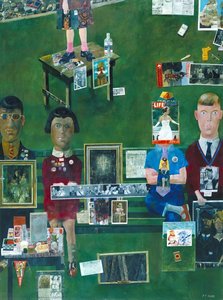
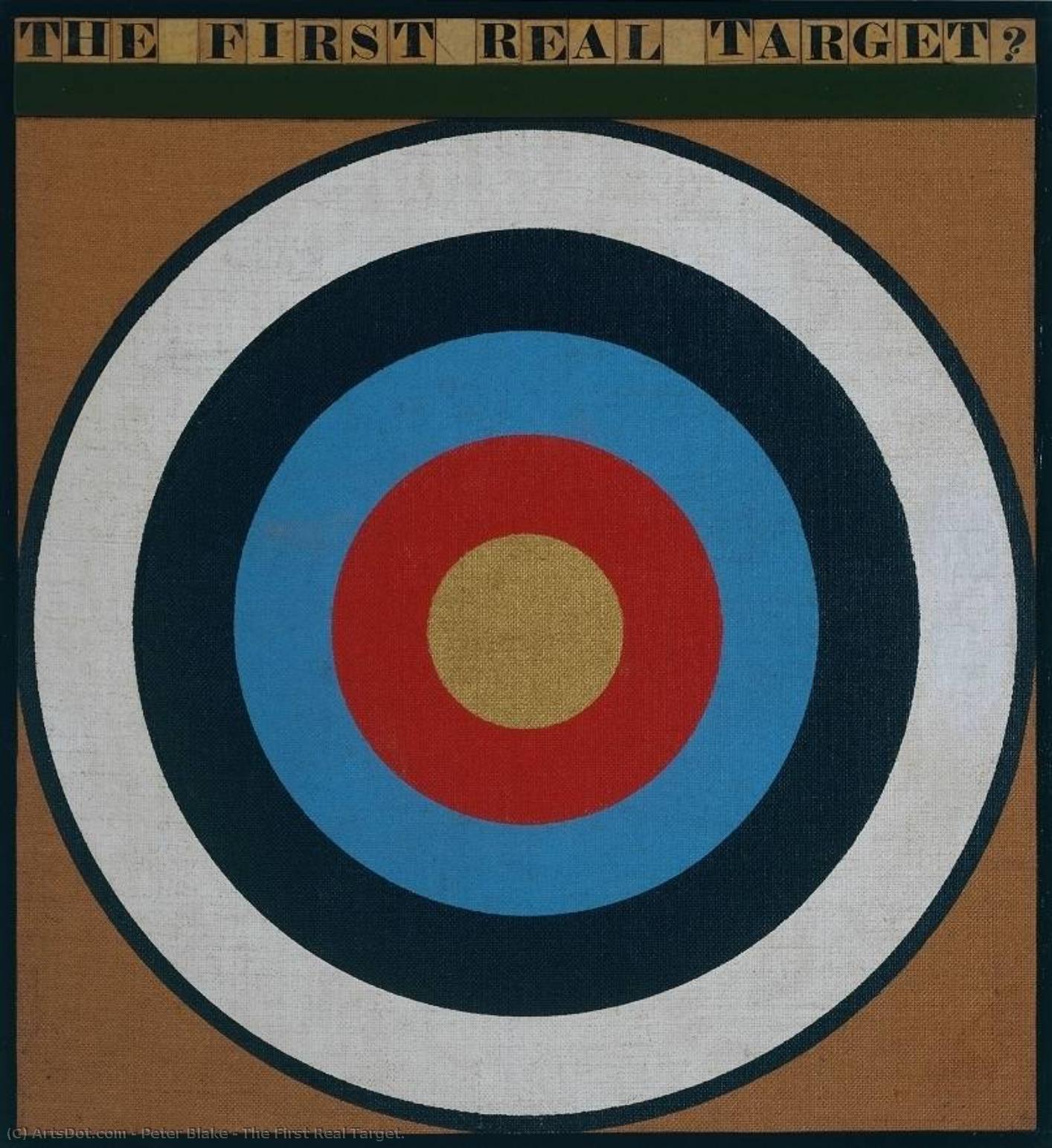
The First Real Target.
Dimensiuni reproducere
To stand before Peter Blake’s The First Real Target is not merely to observe paint on canvas; it is to step into a vibrant, slightly chaotic conversation between high art and the everyday detritus of modern life. Created in 1961, this piece arrives at a pivotal moment in cultural history—the burgeoning energy of Pop Art itself. Blake, ever the keen observer of popular culture, has assembled disparate visual elements into a compelling whole. The subject matter, ostensibly a target painted with bold circles of blue, red, yellow, and white, belies its deeper resonance. It is an object of focus, yet one that simultaneously fragments meaning through its very construction.
What immediately draws the eye is the palpable sense of collage. Blake masterfully employs techniques that suggest assemblage—the careful layering and juxtaposition of found or reproduced imagery. This approach was revolutionary, allowing him to dismantle traditional notions of pictorial space. The painted target structure serves as a framework upon which these visual conversations take place. One can almost feel the texture beneath the paint, the ghosting of different sources brought together by Blake’s hand. It is an energetic surface that refuses singular interpretation, inviting the viewer's eye to wander across the concentric rings and the central yellow void.
The symbolism inherent in a target is potent and multifaceted. On the surface, it speaks of aim, precision, and the pursuit of a goal—a universal human endeavor. Yet, Blake complicates this straightforward reading. The multiple colors and overlapping circles suggest that any single 'bullseye' might be elusive or perhaps even overrated. Is the true focus in the center yellow circle, or is the meaning found in the surrounding blue rings? This ambiguity mirrors the cultural landscape of the early sixties—a time brimming with possibility, yet also marked by burgeoning social anxieties and media saturation. The piece suggests that modern life requires us to aim not for one single point, but to navigate a constellation of competing interests.
The First Real Target is deeply embedded in the spirit of British Pop Art. Blake was instrumental in elevating popular imagery—the mundane, the commercial, the mass-produced—to the pedestal of fine art. This work captures that exhilarating tension: the elevation of the common object into something profound. For the collector or designer seeking an accent piece, this painting offers more than mere decoration; it offers intellectual engagement. It pulses with a vibrant, optimistic energy while simultaneously questioning the very nature of 'success' or 'focus.' To own a reproduction is to invite a conversation about culture, artifice, and the beautiful messiness of modern experience into your living space.
CLASSIFICATION: Pop Art

1932 - , Regatul Marii Britanii

Explore the captivating Orientalist paintings of John Frederick Lewis! Discover his mastery of detail, genre scenes & influence on 19th-century British art. Learn about his life, techniques & legacy at BuyPopArt.

Explore the life & work of Reginald Grenville Eves, a leading British portraitist who transitioned to captivating landscape painting. Discover his legacy and prominent works at BuyPopArt.
Descoperiți ghidul complet pentru integrarea sofisticată a artei pop în design interior! Sfaturi de colecționare, conservare și studii de caz inspiraționale. Elevați-vă spațiul cu pasiune culturală și rafinament artistic.
Explore the fascinating history of Pop Art, from its rebellious origins to its enduring influence on contemporary artists. Discover key figures like Warhol & Lichtenstein and learn about collecting this iconic movement.
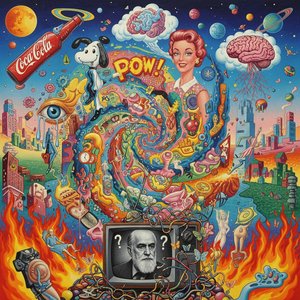
Explore the captivating world of Pop Surrealism with BuyPopArt. Discover key artists like George Condo & Robert Williams, investment potential, and the movement's cultural impact. Expert insights for collectors.


Rămâneți la curent cu cele mai recente știri din lumea artei, ofertele noastre exclusive și ideile de decor.
Spuneți-ne despre proiectul dumneavoastră, iar experții noștri în artă vă vor oferi 3 sugestii personalizate.
Vom selecta 3 opțiuni special pentru tine – Gratuit!


 Vezi în context
 Trimite prin felicitare
 Distribuie
 Detalii

 Descarcă imaginea
 Produse similare
 Radiografie
 Galerie foto


 Citește mai mult







 Opțiunea cu sticlă este disponibilă doar pentru dimensiuni sub 110 cm