

 Ulei pe panou rigidEarly Netherlandish Renaissance
 1441Evul Mediu Târziu
 Muzeele Reale din Arte Frumoase din Belgia
Printuri giclée sau pe canvas de calitate muzeală, cu proces de producție rapid și opțiuni flexibile de finisare. ( Comandă pictură lucrată manual Cumpără imaginea)





























Alegeți dintre dimensiunile noastre prestabilite, care respectă proporțiile originale ale operei de artă.

Puteți introduce propriile dimensiuni pentru a se potrivi unui anumit cadru sau spațiu. Dacă dimensiunea selectată nu corespunde proporțiilor imaginii originale, vom decupa lucrarea de artă sau vom extinde imaginea cu margini oglindite sau cu o culoare uniformă. Un mockup digital va fi trimis pentru aprobarea dumneavoastră înainte de începerea producției.
Vă rugăm să rețineți că previzualizarea de pe ecran nu reflectă decuparea sau extinderea reală. Doar mockup-ul va arăta cu exactitate compoziția finală.
Deși dimensiunile personalizate sunt disponibile, vă recomandăm să selectați o dimensiune din lista predefinită pentru a păstra proporțiile originale.
Livrare în întreaga lume () în 2 săptămâni, în loc de cele 4/5 săptămâni standard. (15 August)


Pietà
Dimensiune reproducere
In the quiet corridors of the Royal Museums of Fine Arts in Brussels, there exists a window into the profoundest depths of human grief and divine compassion. Rogier van der Weyden’s Pietà, completed around 1441, is not merely a painting; it is a visceral experience that transcends the boundaries of time. At its heart, the work captures the devastating moment of the Lamentation, where the Virgin Mary cradles the lifeless, broken body of her son, Jesus Christ. The composition is a masterclass in emotional gravity, drawing the viewer into a sacred space where the weight of mortality meets the hope of redemption. Through his revolutionary use of oil on wood panel, Van der Weyden achieves a luminous clarity that allows the textures of cold flesh, heavy drapery, and weathered stone to breathe with an almost startling vitality.
The technical brilliance of this Early Netherlandish masterpiece lies in its meticulous realism, a departure from the more rigid Gothic traditions of the past. Van der Weyden, who likely began his journey as a goldsmith, brought a jeweler's precision to the canvas. Every fold of Mary’s mantle and every subtle shift in the pallor of Christ’s skin is rendered with an exacting devotion to detail. This level of craftsmanship does more than showcase skill; it serves a higher purpose. The artist uses light and shadow to sculpt the figures, creating a three-dimensional presence that invites the observer to witness the scene as if standing within the very shadows of Golgotha. For the collector or lover of fine art, this painting represents the pinnacle of technical mastery, where every brushstroke is an act of devotion.
Beyond its striking visual beauty, the Pietà is a dense tapestry of theological symbolism designed to provoke deep spiritual contemplation. Every element within the frame serves as a silent sermon. Beneath Christ’s feet, the presence of a skull acts as a poignant memento mori, a stark reminder of death and the biblical legacy of Adam’s fall. This connection between the first man and the Savior underscores the theme of universal suffering and the promise of grace. Even the landscape itself participates in this narrative; the withered, skeletal trees flanking the central figures symbolize the desolation brought about by sin, yet they stand as silent witnesses to the transformative power of the sacrifice being depicted.
The emotional architecture of the piece is further enriched by the inclusion of secondary figures, such as John the Evangelist, whose presence provides a human connection to the divine tragedy. The interplay between the characters—the way Mary presses her cheek against her son’s limp head—creates a rhythmic movement of sorrow that guides the eye through the composition. For those seeking to bring a sense of profound history and contemplative peace into a curated space, this work offers an unparalleled depth. It is a piece that does not merely decorate a room but transforms it, providing a focal point for reflection on the enduring human condition and the timeless beauty of classical devotion.
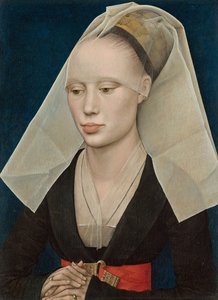
1400 - 1464 , Belgia

Descoperiți 10 capodopere ale Renașterii Netherlandeze timpurii! Jan van Eyck, Robert Campin și alți maeștri. Reproduceri de tablouri de lux pentru un decor artistic unic. Explorează colecția completă pe BuyPopArt.com

Descoperă cele mai frumoase 25 de tablouri Vincent van Gogh! Explorează istoria, emoția și tehnicile artistului impresionist. Reproduceri de artă de calitate muzeală pentru decorațiuni interioare excepționale pe BuyPopArt.com.

Descoperă top 10 capodopere ale picturii netherlandeze timpurii! Jan van Eyck, Robert Campin și alți maeștri renascentiști. Află poveștile din spatele simbolismului bogat și tehnicilor inovatoare. Reproduceri de artă de calitate muzeală pe BuyPopArt.com.

Explore the revolutionary art of Rogier van der Weyden, a pivotal figure of the Early Netherlandish Renaissance. Discover his emotional realism, innovative compositions, and lasting impact on painting history.

Explore the revolutionary art of Hugo van der Goes – a master of Early Netherlandish painting renowned for his dramatic realism, psychological depth & profound influence on Renaissance artists. Discover his iconic works and lasting legacy.


Rămâneți la curent cu cele mai recente știri din lumea artei, ofertele noastre exclusive și ideile de decor.
Spuneți-ne despre proiectul dumneavoastră, iar experții noștri în artă vă vor oferi 3 sugestii personalizate.
Vom selecta 3 opțiuni special pentru tine – Gratuit!


 Previzualizare
 Trimite
 Distribuie
 Detalii despre lucrare

 Descarcă
 Produse similare
 Radiografie
 Diapozitive automate
 Vezi mai mult







 Opțiunea cu sticlă este disponibilă doar pentru dimensiuni de sub 110 cm


