

 Acrylic On CanvasWallArtCapitalist Realism
 1968Contemporary
 60.0 x 50.0 cm
 Fundația Serralves
Achiziționați o imagine digitală de înaltă rezoluție, îmbunătățită, mult superioară previzualizării online.
Fiecare fișier este pregătit cu meticulozitate de specialiștii noștri interni, utilizând instrumente avansate și retușare manuală expertă. Ne asigurăm că fiecare imagine beneficiază de o claritate excepțională, o acuratețe precisă a culorilor și detalii fine.
Fișierul final este livrat prin e-mail în termen de 72 de ore, optimizat pentru utilizare imediată în medii profesionale, editoriale și de imprimare. Aceasta este aceeași calitate în care au încredere studiouri de design, edituri și galerii de top.
Descărcați un fișier la rezoluție înaltă pentru afișare personală, imprimare și proiecte creative. ( Comandă printul Comandă pictură lucrată manual)
Când alegeți BuyPopArt.com, nu primiți doar o simplă imagine – primiți o operă de artă digitală îmbunătățită profesional, creată cu precizie și susținută de o garanție de satisfacție. Iată tot ceea ce primești odată cu comanda ta, în mod automat:

Fișierul imaginii digitale la rezoluție înaltă vă va fi trimis prin e-mail în termen de 72 de ore de la finalizarea comenzii – gata pentru utilizare imediată.

Opera ta de artă este optimizată profesional prin intermediul unor instrumente AI avansate și al editării manuale, asigurând un nivel maxim de detalii, claritate și acuratețe a culorilor.

Ai șters sau ai pierdut din greșeală fișierul? Nu îți face griji – ți-l vom retrimite oricând, gratuit.

Bucură-te instant de noua ta operă de artă, fără taxe vamale, taxe de import sau costuri de livrare – descărcările digitale sunt întotdeauna fără taxe.

Asigurăm o reflectare cât mai fidelă a culorilor originale în imaginea ta digitală, prin utilizarea unor instrumente profesionale și a proceselor de gestionare a culorii.

Dacă nu sunteți mulțumit de imaginea digitală achiziționată, o vom revizui sau vă vom returna 100% în termen de 60 de zile – fără nicio explicație necesară.

Nu ești mulțumit? Obține o rambursare completă în termen de 60 de zile de la primirea fișierului tău digital – fără întrebări.

Cumpără 3 imagini, economisește 10% - Cumpără 5, economisește 15% - Cumpără 10+, economisește 20%. Ideal pentru proiecte creative, galerii și agenții.
Sigmar Polke's "Sem título" (1968) isn’t merely a photograph; it’s a carefully constructed meditation on observation, displacement, and the unsettling beauty of everyday objects. This seminal work, housed within a stark grid of black-and-white frames, immediately draws the viewer into a world both familiar and profoundly strange. The arrangement—nine individual photographs presented as a unified whole—evokes a sense of systematic collection, almost like a meticulously documented survey of the mundane. Yet, there’s no discernible narrative thread connecting these seemingly random images; instead, we're confronted with a series of snapshots capturing fragments of life – a woman standing poised, a figure leaping into space, furniture bathed in quiet light, and decorative items arranged with an understated elegance.
The photograph’s power lies not in grand pronouncements or overt symbolism, but in its subtle details. The lighting is naturalistic, lending each image a sense of immediacy, while the photographic medium itself—black and white—reinforces a timeless quality. Polke's choice to present these images within a rigid grid structure is particularly significant. It’s a deliberate act of control, imposing order onto what might otherwise feel chaotic or random. This formal constraint mirrors the artist’s own experience of displacement – having fled Poland as a child and later seeking refuge in Germany – highlighting a lifelong preoccupation with navigating between different worlds and grappling with the instability of identity.
“Sem título” is a cornerstone of Polke’s movement, “Kapitalistischer Realismus,” which emerged in the early 1970s alongside Gerhard Richter. This artistic approach deliberately rejected the idealized aesthetics of both Socialist Realism and Western consumer culture, instead embracing a style that mimicked advertising imagery – the slick, mass-produced visuals that dominate contemporary life. Polke’s work within this movement isn't about critique in the traditional sense; rather, it’s an exploration of how these images shape our perceptions and influence our understanding of reality. The grid format itself can be interpreted as a visual representation of this pervasive advertising language – a structured system designed to capture and control attention.
Interestingly, Polke's artistic journey began with an apprenticeship in stained-glass work, a craft that demanded precision, technical skill, and a deep understanding of light and color. This early training profoundly shaped his approach to photography, influencing his meticulous composition and his deliberate manipulation of the photographic process. The decision to use black and white further emphasizes this connection, stripping away the distractions of color and focusing on the essential elements of form and texture.
Beyond its formal arrangement, “Sem título” reveals Polke’s masterful manipulation of photographic techniques. The photographs themselves are not simply reproductions of reality; they're carefully constructed images that have undergone significant alteration in the darkroom. Polke employed a range of experimental methods – staining negatives with chemicals, creasing and folding wet paper, and manipulating contrast – to create layered textures and ambiguous forms. This process transforms the photograph into something akin to an abstract painting, blurring the boundaries between photography and other artistic mediums.
The use of a Rollei camera, a popular choice among photographers in the 1960s, speaks to Polke’s commitment to capturing fleeting moments and embracing the inherent imperfections of the photographic process. He wasn't striving for photographic realism; instead, he was using photography as a tool to explore subjective perception and create images that resonate with emotional depth. The resulting photographs are not simply representations of objects but rather evocative glimpses into a world filtered through the artist’s unique sensibility.
“Sem título” remains a powerfully resonant work, offering a poignant reflection on themes of displacement, observation, and the complexities of modern life. Its stark simplicity belies a profound depth of meaning, inviting viewers to contemplate their own relationship with images, memory, and the ever-shifting landscape of experience. Polke’s meticulous attention to detail, combined with his willingness to experiment with photographic techniques, elevates this work beyond a mere snapshot – it's a testament to the transformative power of art.
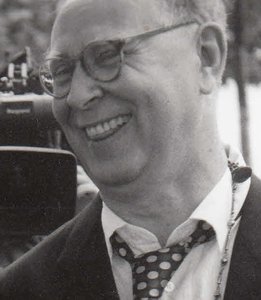
1941 - 2010 , Germania


Rămâneți la curent cu cele mai recente știri din lumea artei, ofertele noastre exclusive și ideile de decor.
Spuneți-ne despre proiectul dumneavoastră, iar experții noștri în artă vă vor oferi 3 sugestii personalizate.
Vom selecta 3 opțiuni special pentru tine – Gratuit!


 Previzualizare
 Trimite
 Distribuie
 Detalii despre lucrare

 Descarcă
 Produse similare
 Radiografie
 Diapozitive automate
 Vezi mai mult


