

Printuri giclée sau pe canvas de calitate muzeală, cu proces de producție rapid și opțiuni flexibile de finisare. ( Comandă pictură lucrată manual Cumpără imaginea)
Alegeți dintre dimensiunile noastre prestabilite, care respectă proporțiile originale ale operei de artă.

Puteți introduce propriile dimensiuni pentru a se potrivi unui anumit cadru sau spațiu. Dacă dimensiunea selectată nu corespunde proporțiilor imaginii originale, vom decupa lucrarea de artă sau vom extinde imaginea cu margini oglindite sau cu o culoare uniformă. Un mockup digital va fi trimis pentru aprobarea dumneavoastră înainte de începerea producției.
Vă rugăm să rețineți că previzualizarea de pe ecran nu reflectă decuparea sau extinderea reală. Doar mockup-ul va arăta cu exactitate compoziția finală.
Deși dimensiunile personalizate sunt disponibile, vă recomandăm să selectați o dimensiune din lista predefinită pentru a păstra proporțiile originale.
Livrare în întreaga lume () în 2 săptămâni, în loc de cele 4/5 săptămâni standard. (14 August)


The Bathing Pool
Dimensiune reproducere
William Linton, born in the maritime atmosphere of Liverpool in 1791, emerged as a pivotal figure in British landscape painting during the Victorian era—a period defined by a profound fascination with both scientific observation and idealized beauty. His artistic journey began not with the grand gestures of a master, but through the humble and disciplined practice of copying the works of legends like Claude Lorrain and Richard Wilson. These early encounters were transformative, instilling in Linton a deep-seated appreciation for the interplay of natural light and the sweeping grandeur of panoramic compositions. This foundational period shaped his distinctive style, allowing him to weave classical sensibilities into the fabric of 19th-century Romanticism.
Linton’s connection to the natural world was deeply rooted in his formative years spent amidst the picturesque landscapes of Lancaster and Cartmel. His education at Windermere School fostered a lifelong intimacy with the serene, mist-covered vistas of the Yorkshire Dales and the Lake District. While he initially pursued a career in the merchant’s trade—a vocation he found spiritually unfulfilling—his innate talent for visual representation eventually compelled him to dedicate himself fully to the pursuit of art. This transition from commerce to creativity marked the beginning of a prolific career that would see him become a mainstay of the London art scene.
As his reputation grew, Linton became a regular presence at the Royal Academy and the British Institution, exhibiting his works from 1817 onwards. His subject matter often drew from the rugged beauty of Scotland and Northern England, where he captured scenes imbued with an atmospheric grandeur that reflected the prevailing Romantic sensibility. However, it was his travels through Italy between 1828 and 1829 that perhaps most significantly expanded his artistic vocabulary. During these extensive sketching expeditions, Linton absorbed the sun-drenched textures and classical ruins of the Mediterranean, producing a substantial collection of drawings that would later serve as the blueprint for his monumental oil paintings.
His ability to blend historical reverence with naturalistic detail allowed him to create landscapes that felt both grounded in reality and elevated by fantasy. Whether depicting the dramatic coastal fortresses of Positano or the serene, pastoral charm of an Italianate Landscape populated by peasants and livestock, Linton utilized a masterful command of light to evoke emotion. His works often feature:
Beyond his individual canvases, Linton was a vital architect of the British art community. His commitment to fostering innovation and collaboration led him to play a crucial role in the establishment of the Society of British Artists in 1823-1824. His leadership qualities were formally recognized when he served as the society's president in 1837, a testament to the respect he commanded among his peers. Through this role, he helped create a platform for emerging artists to navigate the complexities of the Victorian art market.
The historical significance of William Linton lies in his ability to bridge the gap between the classical traditions of the past and the burgeoning Romanticism of his era. He did not merely record landscapes; he reimagined them, infusing the rugged terrain of the English Lakes and the sun-soaked coasts of Italy with a sense of poetic timelessness. Today, his legacy survives in collections such as the Tate, where his works continue to invite viewers into a world of architectural fantasy and sublime natural beauty, reminding us of a time when the canvas was a window into the eternal.

1791 - 1876 , United Kingdom

Explore the complex history of Orientalism in 19th-century art. Discover how Western artists depicted the 'Orient,' its cultural impact, and Edward Said's critical analysis. A deep dive for art lovers & historians.

Explore the serene landscapes of John Varley I, a key figure in British Romanticism. Discover his unique watercolour style, collaboration with William Blake & lasting artistic legacy. Learn about collecting Varley's work.

Descoperă top 10 opere de artă romantică ce inspiră emoție și pasiune! Explorează poveștile artiștilor, tehnicile folosite și simbolismul picturilor celebre. Reproduceri de calitate muzeală pe BuyPopArt.ro. Explorează colecția online!
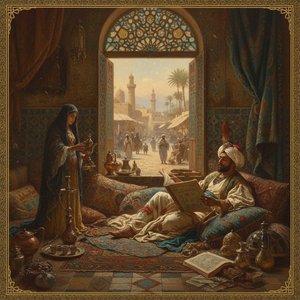
Explore the captivating Orientalist paintings of John Frederick Lewis! Discover his mastery of detail, genre scenes & influence on 19th-century British art. Learn about his life, techniques & legacy at BuyPopArt.

Explore the captivating world of realism in art history! Discover iconic street scenes & genre paintings from masters like Courbet & Brown. Expert analysis & museum-quality reproductions at BuyPopArt.


Rămâneți la curent cu cele mai recente știri din lumea artei, ofertele noastre exclusive și ideile de decor.
Spuneți-ne despre proiectul dumneavoastră, iar experții noștri în artă vă vor oferi 3 sugestii personalizate.
Vom selecta 3 opțiuni special pentru tine – Gratuit!


 Previzualizare
 Trimite
 Distribuie
 Detalii despre lucrare

 Descarcă
 Produse similare
 Radiografie
 Diapozitive automate
 Vezi mai mult




































 Opțiunea cu sticlă este disponibilă doar pentru dimensiuni de sub 110 cm


