

 1890
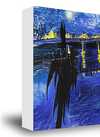
1890 150.0 x 200.0 cm
 Галерея современного искусства
Печать (жикле) или холст музейного качества с быстрыми сроками изготовления и широким выбором вариантов отделки. ( Перейти к заказу ручной росписи Переключиться на изображение)
Выберите один из наших стандартных размеров, соответствующих оригинальным пропорциям произведения искусства.

Вы можете указать свои собственные размеры, чтобы репродукция идеально подошла под конкретную раму или пространство. Если выбранный вами размер не будет соответствовать пропорциям оригинала, мы либо обрежем произведение, либо дополним изображение зеркальным отражением краев или однотонной заливкой. Перед началом производства вам будет отправлен цифровой макет для утверждения.
Пожалуйста, обратите внимание, что предварительный просмотр на экране не отображает фактическую обрезку или расширение изображения. Только макет точно покажет финальную композицию.
Несмотря на возможность заказа индивидуальных размеров, мы рекомендуем выбирать размер из предопределенного списка, чтобы сохранить оригинальные пропорции.
Доставка по всему миру () за 2 недели вместо стандартных 4/5 недель. (31 Июль)


Spring
Размер репродукции
Adolfo Tommasi, born in Livorno in 1851, emerged as a prominent figure in Italian painting during the late nineteenth century. His artistic journey was marked by a fascination with capturing the essence of Tuscany’s landscapes and rural life—a pursuit that cemented his reputation as one of the foremost practitioners of Tuscan Impressionism.
Tommasi's formative years were spent in Livorno, where he honed his artistic skills under the tutelage of Silvestro Lega, a celebrated Florentine painter who instilled in him a profound appreciation for plein air painting—working directly from nature. Lega’s influence extended beyond technique; it fostered a belief in observing and portraying the world with honesty and sensitivity. Tommasi also briefly studied at Carlo Markò the Younger's academy, though he quickly recognized that academic conventions didn’t align with his artistic vision.
Tommasi’s breakthrough came in 1880 with “Dopo la brinata” (“After the Frost”), a controversial yet undeniably impactful painting depicting a cabbage field ravaged by frost. The artwork sparked considerable debate amongst critics and fellow artists, primarily due to its unflinching portrayal of agricultural hardship. However, it also garnered significant acclaim from luminaries like Signorini and Giovanni Pascoli, who lauded Tommasi’s ability to convey emotion and atmosphere with remarkable precision.
Throughout his career, Tommasi produced numerous landscapes and genre scenes that exemplify the Tuscan Impressionist style. His paintings captured the subtle nuances of light and color—a hallmark of this movement—and conveyed a deep connection to the rural environment. Key achievements included:
Tommasi’s unwavering commitment to naturalistic observation profoundly shaped the trajectory of Tuscan painting. He championed plein air painting—a technique that prioritized direct engagement with the subject matter—and skillfully employed pastel and oil paints to achieve luminous effects and textural richness. His legacy continues to inspire artists today who strive to capture the beauty and complexity of the natural world with authenticity and empathy.
Furthermore, his work served as an important catalyst for discussions about artistic representation and social commentary. “Dopo la brinata,” in particular, challenged conventional aesthetic standards and prompted critical reflection on the realities faced by rural communities.

1851 - 1933


Будьте в курсе последних новостей из мира искусства, эксклюзивных предложений и идей для оформления интерьера.
Расскажите нам о вашем проекте, и наши эксперты по искусству предложат вам 3 персонализированных варианта произведений искусства.
Мы подберем для вас 3 варианта — бесплатно!


 Предпросмотр
 Поделиться
 Поделиться
 Детали произведения

 Скачать
 Похожие работы
 Рентгенография
 Слайд-шоу
 Читать далее
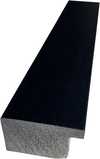
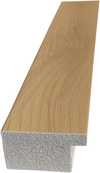
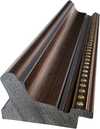
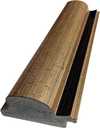
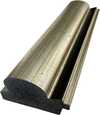
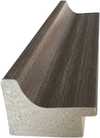
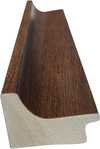
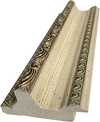
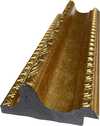
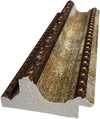
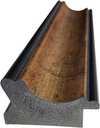
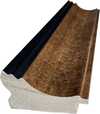
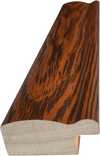
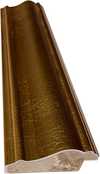
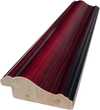
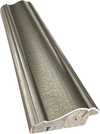
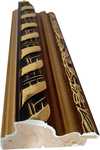
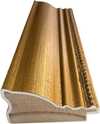
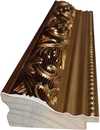
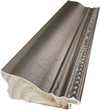
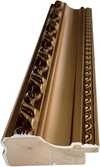
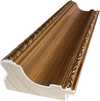
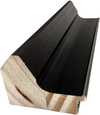
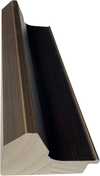
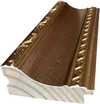
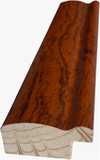
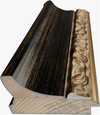
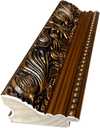

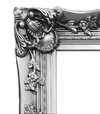
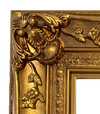
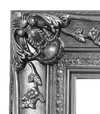
 Вариант со стеклом доступен только для размеров менее 110 см


